Draft bill proposes governance overhaul to revitalise Indian Statistical Institute
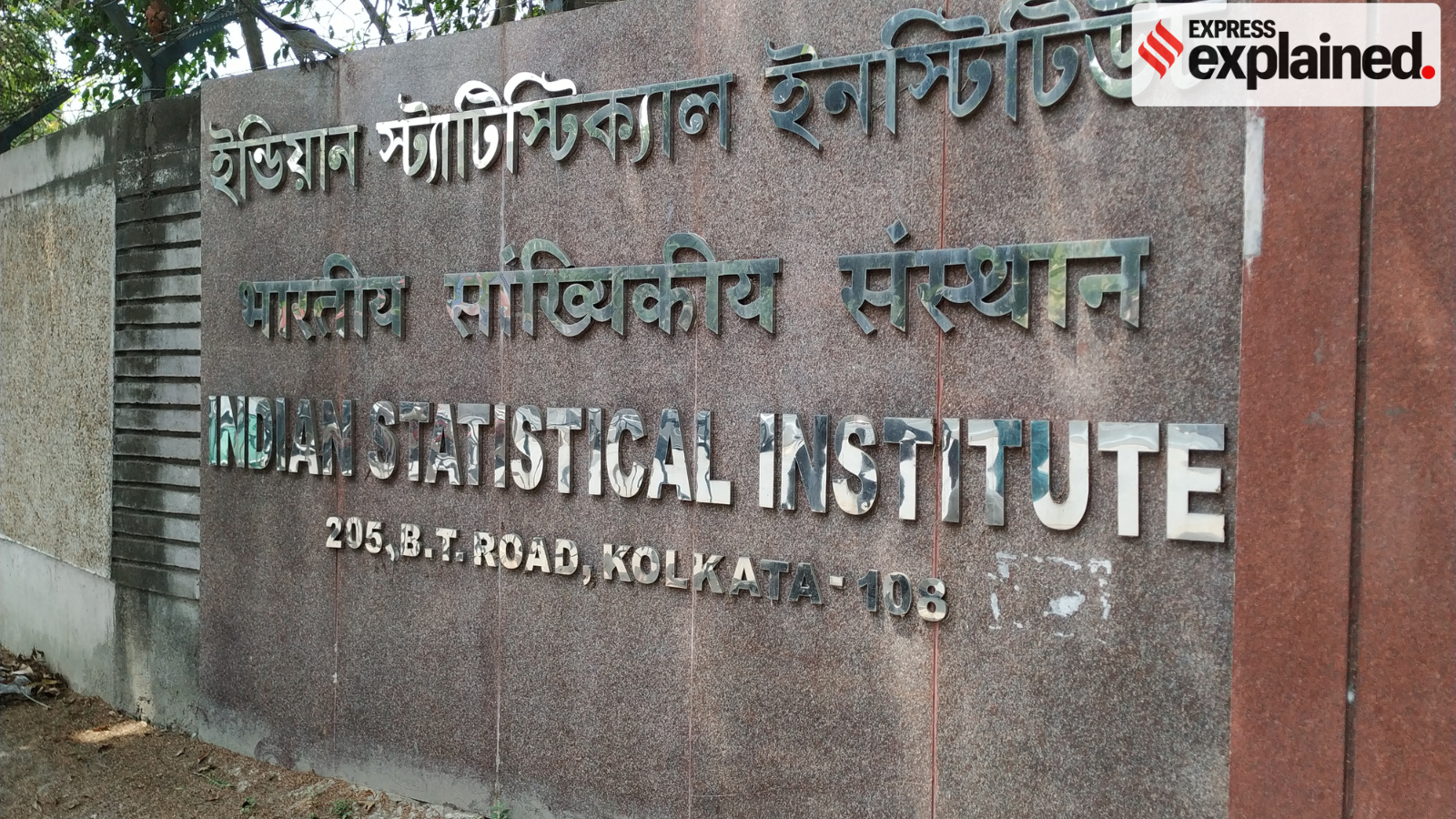
The Indian Statistical Institute (ISI), founded in Kolkata in 1931 by P.C. Mahalanobis with the aim of strengthening India through rigorous statistical thinking, is at the centre of a legislative effort to reform its governance structure. Once a globally respected institution that shaped the country's Five Year Plans and built the National Sample Survey, ISI has struggled to adapt to modern demands, particularly in fields such as artificial intelligence and machine learning. A draft bill, the ISI Bill 2026, seeks to address organisational rigidities that have accumulated over decades.
According to the findings of the 4th Review Committee, which submitted its report in 2021, the institute suffers from a calcified governance model. The Governing Council, intended as a lean strategic body, has expanded to 33 members, including 17 insiders. Division heads are chosen through internal elections that may favour popularity over academic leadership, and a General Body of over a thousand members—many former staff—can veto meaningful reforms. Four consecutive review committees since 1966 recommended a smaller, more agile council, yet each time the council grew larger.
Comparisons with other premier institutions highlight the governance gap. The Indian Institutes of Technology (IITs) were established under a statutory framework in 1961, providing compact boards, merit-based appointments, and room for expansion. The Indian Institutes of Management (IIMs) received similar structures in 2017. Both systems have expanded significantly in scale, quality, and global recognition. ISI, still operating under a society structure from the 1930s, has not undergone comparable modernisation.
The proposed bill directly tackles these issues. It replaces the unwieldy council with an 11-member Board of Governance, combining internal and external representation. ISI would become a body corporate, eliminating the procedural veto that has blocked change for decades. Regional centres in Delhi, Bengaluru, Chennai, and Tezpur would gain long-overdue administrative and financial autonomy. The institute's formal mandate would expand to explicitly include artificial intelligence and related disciplines—a measure deemed necessary given its historical inability to adapt.
Scale remains a critical challenge that legislation alone cannot fix. ISI admits around 550 to 600 students annually, while the IIT system enrols close to 2,500 every year. For an institution aspiring to be globally competitive by its centenary in 2031, bridging this gap is essential, the committee noted. Demand for data-trained professionals from industry and government is high, but institutional capacity to respond has been lacking.
During the original Lok Sabha debate on the ISI Act in December 1959, several members warned of the governance problems now evident. It took 66 years for a legislative response. The new bill, drafted after extensive review, is seen as a foundational step, but its success will depend on faithful and timely implementation.