Delhi Police Data Shows 55% of Cases of Crimes Against North-East Indians Untraced
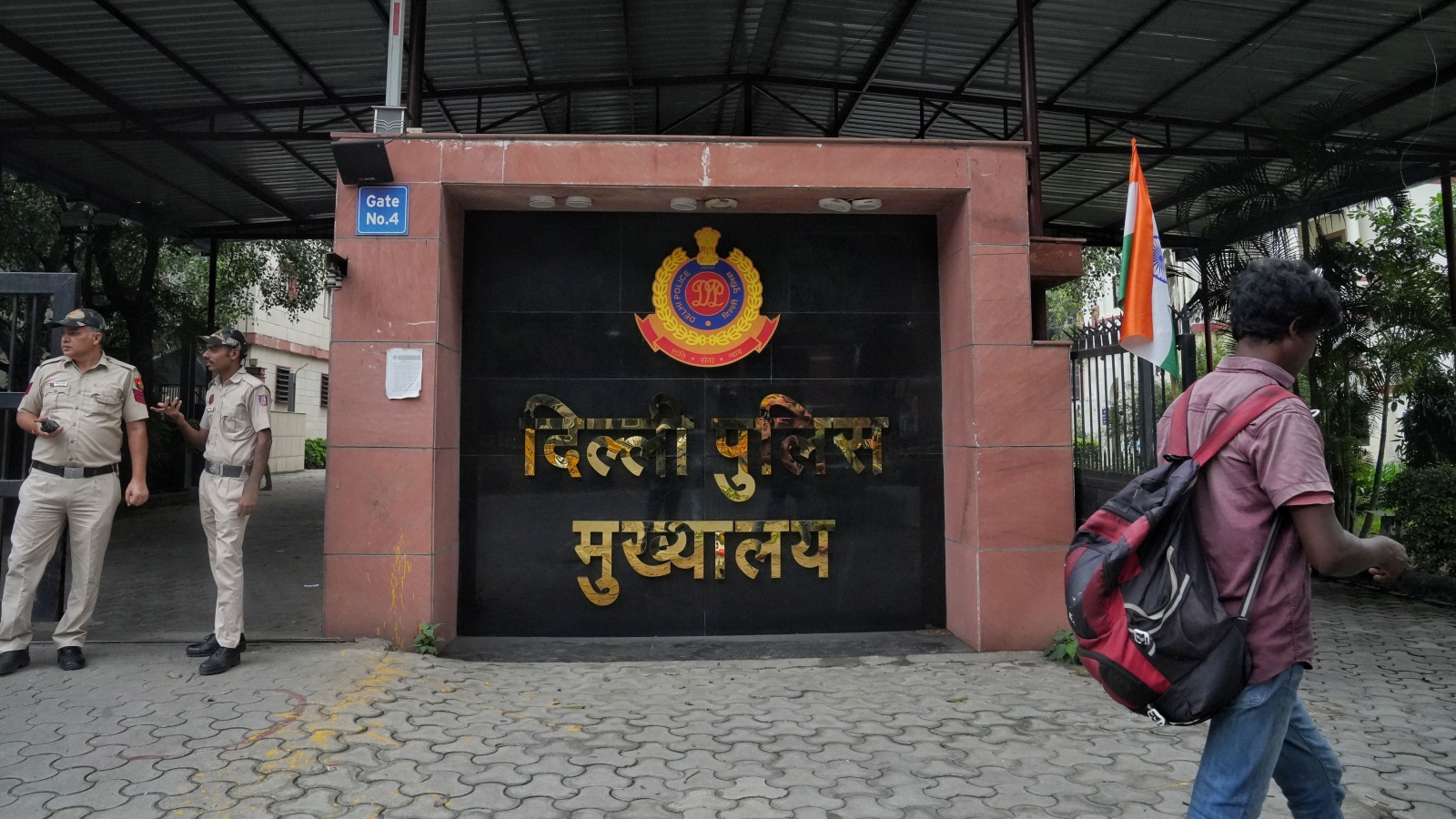
More than a decade after the Delhi Police created a specialised unit to address crimes against persons from India's North-East, official data reveals that over half of such cases remain unsolved. According to police records, of the 2,656 First Information Reports (FIRs) filed between 2014 and April 30, 2024, 1,465—nearly 55%—have been classified as “untraced,” meaning investigators could not identify, locate, or apprehend the accused.
The data, which covers a period of roughly ten years, shows that only 33 cases led to convictions, yielding a conviction rate of 1.82%. Another 771 cases are pending trial, while 74 remain under investigation. Senior police officers have recently directed a review of cases where investigations have remained pending for more than two years.
The concentration of cases is uneven across Delhi's 15 police districts. The South West district recorded the highest number of FIRs—982, or about 37% of the total—and also the largest count of untraced cases at 583. South district registered 412 FIRs, including 219 untraced cases. South East district and Dwarka recorded 226 and 223 FIRs respectively. Combined, these four districts account for nearly 70% of all FIRs involving members of the North-East community.
Outcomes varied sharply by district. Outer North reported the highest conviction rate at 11.7%, followed by Rohini at 11.1%, West district at 7.69%, and Dwarka at 7.14%. However, these districts handled relatively few cases. In contrast, South West district, despite the highest volume of complaints, recorded only 11 convictions. Several districts and specialised units—including North East, East, Railway, Metro, IGI Airport, and the Special Cell—reported no convictions during the period under review.
The figures emerge more than ten years after the formation of the North-East Cell, a nodal agency established in 2014 on the recommendation of the M. P. Bezbaruah Committee. The committee was constituted by the Union Ministry of Home Affairs following the death of Nido Tania, a student from Arunachal Pradesh, and was tasked with examining racial discrimination, harassment, and violence faced by people from the North-East in Indian cities. The cell was meant to address grievances, monitor criminal cases, coordinate with district police, maintain data, and conduct outreach among residents from the region.
Police officers said the cell's creation reflected institutional recognition that members of the North-East community often faced distinct barriers in reporting crimes and navigating the justice system. Yet the data suggests that structural concerns remain unresolved. A senior officer noted that improvements in reporting mechanisms have not necessarily translated into stronger investigations or timely justice for victims.
Significantly, 2024 has seen a rise in reported crimes against people from the North-East. Earlier in the year, two women from Assam alleged they were assaulted and subjected to racist remarks near Nehru Place in South Delhi. In another incident, three women from Arunachal Pradesh alleged racial abuse by neighbours in Malviya Nagar. These cases underscore the ongoing vulnerability of the community and raise fresh questions about the effectiveness of existing safeguards.