Delhi Mandates 30% Electric Fleet by 2030, Targeting Two-Wheelers That Dominate Roads
The Delhi government has announced a new Electric Vehicle (EV) Policy that prioritises the electrification of two-wheelers, three-wheelers, and light-duty trucks, aiming to achieve a minimum 30% electrification of the capital's vehicle fleet by March 31, 2030. The policy, cleared by the Delhi Cabinet, focuses exclusively on pure electric vehicles (EVs) rather than hybrid models, citing superior environmental benefits.
„The policy focuses on pure EVs, which offer superior environmental benefits as zero-emission vehicles,“ the Delhi government stated on Monday. This approach targets the transport sector, identified as one of the most significant contributors to Delhi's persistent air pollution problem.
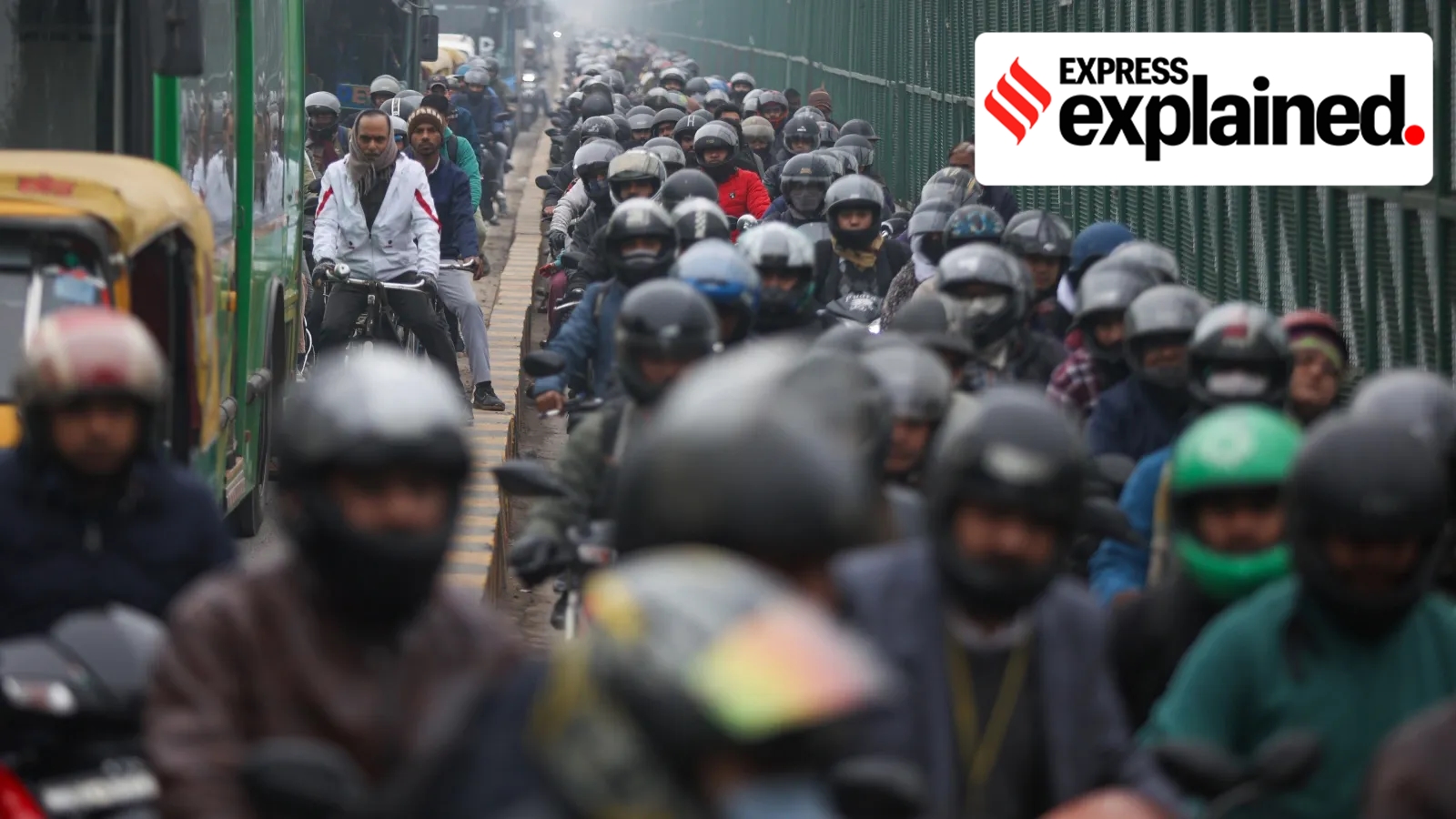
According to the latest report by the Commission for Air Quality Management (CAQM), vehicular emissions contribute approximately 23% of Delhi’s PM2.5 pollution during winter, making transport the single largest pollution source within the city. The CAQM report estimates that two-wheelers constitute nearly 67% of Delhi’s vehicle stock, making their rapid electrification critical for reducing emissions. Three-wheelers, commercial cars, and light-duty goods vehicles (N1 category, up to 3.5 tonnes) are also prioritised due to their high daily utilisation and disproportionate emissions.
Previous studies corroborate these findings. A 2021 draft report by The Energy and Resources Institute (TERI) found that vehicles were the largest contributor to PM2.5 pollution during much of the pollution season. Within the transport sector, two-wheelers were the top contributors to PM2.5, PM10, sulphur dioxide, and carbon monoxide emissions, while three-wheelers led in volatile organic compounds (VOCs), and buses emitted the highest nitrogen oxides (NOx). Across the National Capital Region (NCR), two-wheelers accounted for nearly 31% of transport-related PM2.5 emissions and 51% of carbon monoxide emissions, according to the TERI inventory.
Earlier, a source apportionment study by IIT Kanpur estimated that two-wheelers contributed about one-third of vehicular PM2.5 and PM10 emissions in Delhi. Similarly, an emissions inventory prepared under the Indian Institute of Tropical Meteorology's SAFAR system in 2018 identified transport as the biggest contributor to PM2.5 (41%) and NOx (76%) emissions.
The CAQM report highlighted that emissions depend not only on vehicle numbers but also on age, mileage, fuel type, emission standards, and maintenance. Older vehicles, especially those certified under pre-BS-VI norms, emit substantially higher pollutants due to engine deterioration and less effective emission-control systems. Traffic congestion further worsens emissions by causing inefficient combustion, while increasing vehicle-kilometres travelled adds to the pollution burden.
A 2025 study by Delhi Technological University, analysing exhaust emissions from 575 petrol-powered two-wheelers tested at Pollution Under Control centres in Delhi, found that besides age, vehicle mileage strongly influences carbon monoxide and hydrocarbon emissions. The study recommended linking India’s vehicle scrappage policy to mileage and age to accelerate the transition to cleaner vehicles.
The Delhi EV Policy aims to address these issues by phasing in mandatory electrification for two-wheelers, three-wheelers, and light-duty trucks, with a focus on pure EVs as zero-emission vehicles. The policy is a key component of the capital’s clean air strategy, which aims to reduce pollution from the transport sector—a persistent source of poor air quality throughout the year.







