Delhi govt proposes 50% tax relief for strong hybrid cars amid EV policy debate
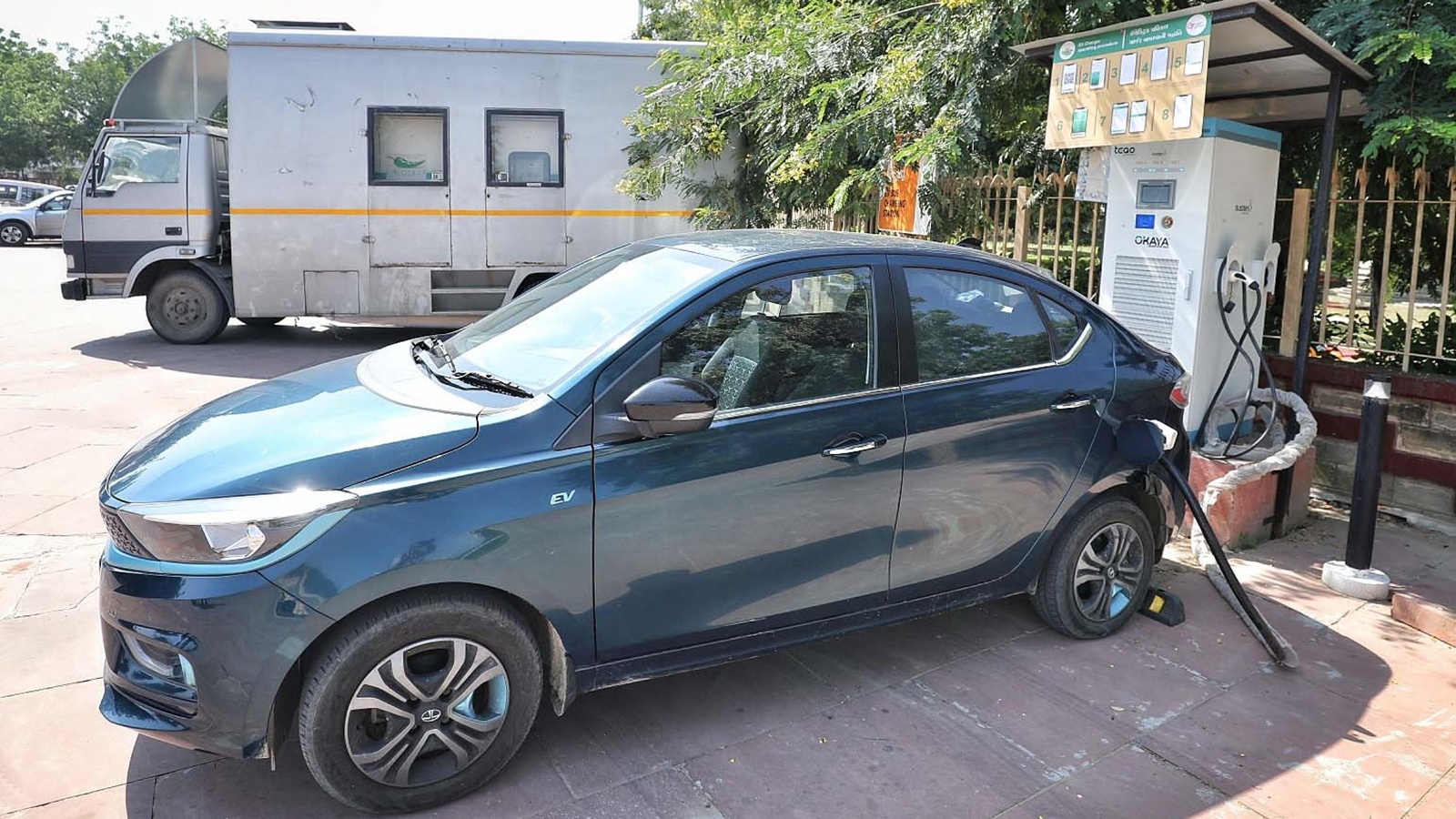
The Delhi government's draft Electric Vehicle (EV) Policy for 2026-30, which is expected to be placed before the Cabinet soon, has sparked debate over proposed tax incentives for strong hybrid vehicles. The policy, which has been made public for comments, suggests a 50% exemption on road tax and registration charges for strong hybrids with an ex-showroom price up to Rs 30 lakh.
Strong hybrid vehicles combine a traditional internal combustion engine with a powerful electric motor and a larger battery, allowing them to run entirely on electric power at low speeds and switch to the engine for higher speeds. This differentiates them from mild hybrids, which cannot run on electricity alone.
The Transport Department has received over 700 responses to the draft policy, with opinions divided on the issue. Supporters, including several top institutes and the International Road Federation (IRF), argue that incentives for strong hybrids can serve as a transition technology while EV charging infrastructure is being developed. They cite examples from Uttar Pradesh, where a 100% exemption on strong hybrids led to a 175% increase in registrations and a 60% rise in monthly revenues.
Critics, however, contend that the government should focus on investing in charging infrastructure and promoting pure EVs instead of providing incentives for hybrids. They argue that strong hybrids still rely on fossil fuels and may delay the shift to zero-emission vehicles.
According to a senior Transport officer, the government believes that tax relief on strong hybrids will gradually nudge the public towards electric mobility. Public policy research organisation CUTS International has noted that self-charging hybrids operate in electric mode for about 60% of urban driving and can reduce CO2 emissions by 25-35% compared to conventional vehicles.
Officials also pointed out that in the absence of such incentives, many consumers were registering hybrid cars in neighbouring states like Uttar Pradesh and Haryana, leading to revenue loss for Delhi.