🏠 News Empire
environment

Delhi announces proactive winter pollution curbs: vehicle bans, work from home, construction halt
Published on: 01 Jul 2026, 11:45 PM
Delhi announces proactive winter pollution curbs: vehicle bans, work from home, construction halt

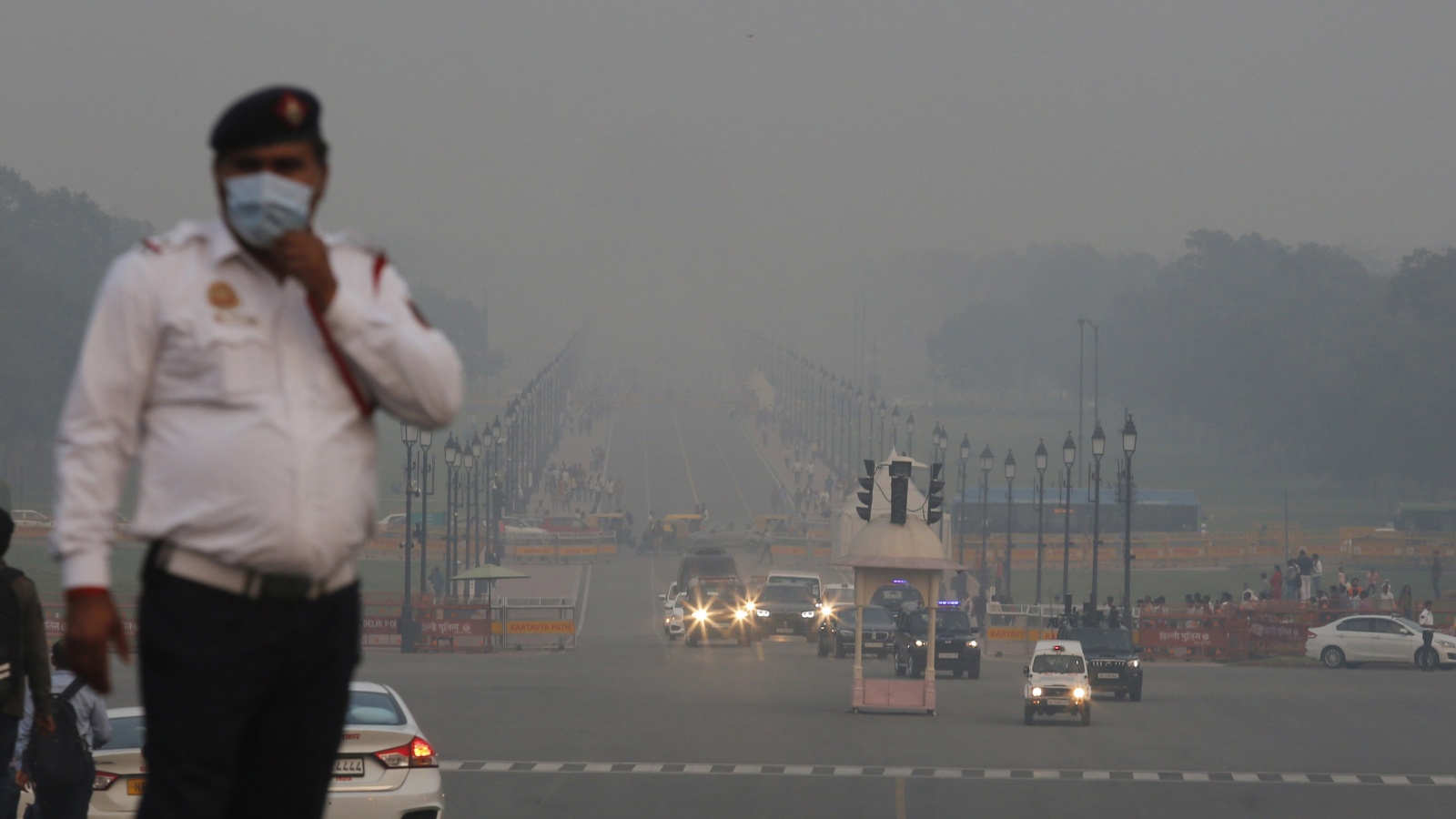
In a significant shift from reactive measures, the Delhi government has notified a set of mandatory restrictions to combat air pollution during winter months, effective from November 1 to February 28 each year. The new rules, notified on June 23 and made public recently, include curbs on vehicles, construction activities, and mandates for work from home and staggered office timings.

Previously, pollution control relied on the Graded Response Action Plan (GRAP), which imposed restrictions based on real-time air quality index (AQI) levels. Critics often termed GRAP as reactive since measures were implemented only after air quality deteriorated. The new framework aims to reduce disruptions through advance planning, covering workplaces, educational institutions, and transport.

Data from the past three winter seasons (2023-24, 2024-25, 2025-26) shows Delhi's median AQI ranged between 312 and 342 ('very poor'), with peak AQI touching 461 to 494 ('severe+'). The notification states that the new measures are based on this analysis, targeting the period from November 1 to February 15 when air quality consistently worsens.

Key restrictions include: from November 1 to January 31, motor vehicles registered outside Delhi and below BS-VI emission standards will be banned from plying in the national capital. Exemptions apply to CNG and electric vehicles, emergency services, and other categories specified by the environment department. The notification directs the Transport Department, Municipal Corporation of Delhi (MCD), and Delhi Traffic Police to ensure strict compliance.

Throughout the year, all petrol, diesel, CNG, and LPG retail outlets in Delhi will supply fuel only upon production of a valid Pollution Under Control Certificate (PUCC). To discourage private vehicle use, parking charges at authorised sites will be doubled from November 1 to February 28, except for parking facilities owned by Delhi Metro Rail Corporation.

Staggered office timings and work from home are introduced to reduce traffic congestion. From November 1 to February 28, MCD offices will function from 8:30 am to 5 pm, while Delhi government offices will operate from 10 am to 6:30 pm. From November 1 to January 31, Delhi government and private offices must limit physical staff attendance to 50%, with the remainder working from home. Essential services such as hospitals, public transport, power, water supply, sanitation, disaster management, and pollution control agencies are exempted.

Private entities are directed to implement staggered working hours, ensure work-from-home compliance, minimize vehicular movement through car-pooling, ride-sharing, and promoting public transport. Additionally, from November 1 to January 31, there is a ban on dust-generating demolition and open civil construction activities, except for essential public infrastructure projects. A complete ban on construction and demolition activities applies, barring urgent government projects and emergencies.

Latest in Environment 10
Idukki Villagers Re-erect Fences, Blocking Elephant Corridors After Fatal Attack
environment

Idukki Villagers Re-erect Fences, Blocking Elephant Corridors After Fatal Attack

Residents of Panthadikkalam in Idukki have re-erected fences that the Forest department removed to allow elephant movement, following the death of a farmer in an elephant attack. The move has blocked traditional elephant routes, leaving six elephants roaming near the settlement. The Forest department plans to capture and relocate two problematic elephants, while an expert committee studies the conflict.

The Hindu 09 Oct 2026, 01:43 PM
Read More →
Wildlife law architect warns India's protected areas are shrinking under development pressure
environment

Wildlife law architect warns India's protected areas are shrinking under development pressure

Wildlife conservationist M.K. Ranjitsinh Jhala, chief architect of the Wildlife (Protection) Act, 1972, has warned that India's protected areas are shrinking amid growing pressure from development, mining and tourism. Speaking in Thiruvananthapuram, he urged that conservation look beyond iconic animals to habitats and the ecological systems that sustain people. Officials and speakers at the event called for a people-centred approach that links conservation with local livelihoods.

The Hindu 05 Oct 2026, 03:39 PM
Read More →
Scientists Can Now Trace the Damage a Single Coal Mine or Gas Project Will Cause
environment

Scientists Can Now Trace the Damage a Single Coal Mine or Gas Project Will Cause

Scientists have released an open-source tool that estimates how much a single fossil fuel project will warm the planet and the specific damage it will cause, from heatwave deaths in Europe to coral loss on the Great Barrier Reef. The Carbon Impacts Tracer applies established attribution science to individual coal, oil and gas developments, weakening the argument that any one project's emissions are too small to matter.

The Hindu 01 Oct 2026, 01:51 PM
Read More →
CAQM asks NCR states to tighten checks on vehicular pollution, stubble burning
environment

CAQM asks NCR states to tighten checks on vehicular pollution, stubble burning

The CAQM has directed enforcing agencies across the National Capital Region to ensure strict compliance with its directions, focusing on vehicular and industrial emissions, stubble burning and dust from roads and construction. The directions were reviewed at a meeting of its Sub-Committee on Safeguarding and Enforcement, chaired by CAQM Chairperson Rajesh Verma, which also asked agencies to strengthen inspection and monitoring.

The Hindu 01 Oct 2026, 04:58 AM
Read More →
Kedarnath's Five-Month Waste Tally Crosses 50 Tonnes, More Than Double Last Season's Total
environment

Kedarnath's Five-Month Waste Tally Crosses 50 Tonnes, More Than Double Last Season's Total

Kedarnath generated 50.30 metric tonnes of waste between April and August 2026, more than two and a half times the total collected in the whole of the previous pilgrimage season, according to Nagar Panchayat data released under an RTI request. The town's landfills remain largely unused so far, but the activist who sought the data warns that rising waste volumes threaten the ecologically sensitive Himalayan region.

The Hindu 25 Sep 2026, 05:41 AM
Read More →
Hebbal tunnel project: 1,128 trees of 70+ species to be felled; full list still unpublished
environment

Hebbal tunnel project: 1,128 trees of 70+ species to be felled; full list still unpublished

Documents show that over 70 tree species are among the 1,128 trees marked for felling along a 2.2-km stretch for Bengaluru's Hebbal short tunnel project, though the full list has not been made public. Experts say the loss of green cover could raise local temperatures and damage habitats, while a Change.org petition opposing the project has crossed 20,000 signatures.

The Hindu 24 Sep 2026, 05:51 AM
Read More →
Western Ghats draft is in Hindi and English only. A coalition has now released a Kannada translation
environment

Western Ghats draft is in Hindi and English only. A coalition has now released a Kannada translation

A coalition of organisations has released a Kannada translation of the seventh draft notification on the Western Ghats Ecologically Sensitive Area, which was otherwise available only in Hindi and English. Karnataka holds the largest share of the proposed protected area, and the coalition says residents cannot respond to a notification they cannot read.

The Hindu 22 Sep 2026, 03:46 PM
Read More →
37 Water Sources in 25 Tamil Nadu Villages Unfit to Drink: Inside the SIPCOT Perundurai Crisis
environment

37 Water Sources in 25 Tamil Nadu Villages Unfit to Drink: Inside the SIPCOT Perundurai Crisis

The Tamil Nadu Water Supply and Drainage Board found water from 37 sources in 25 villages around the SIPCOT Industrial Growth Centre at Perundurai, Erode district, unfit for drinking. A ₹136.76-crore Common Effluent Treatment Plant is being built to treat contaminated seepage and resupply industries, but no long-term plan for the affected villages or the aquifer has been finalised yet.

The Hindu 22 Sep 2026, 01:53 PM
Read More →
→ View All Environment News