Cuba faces nationwide blackout amid energy crisis and US sanctions
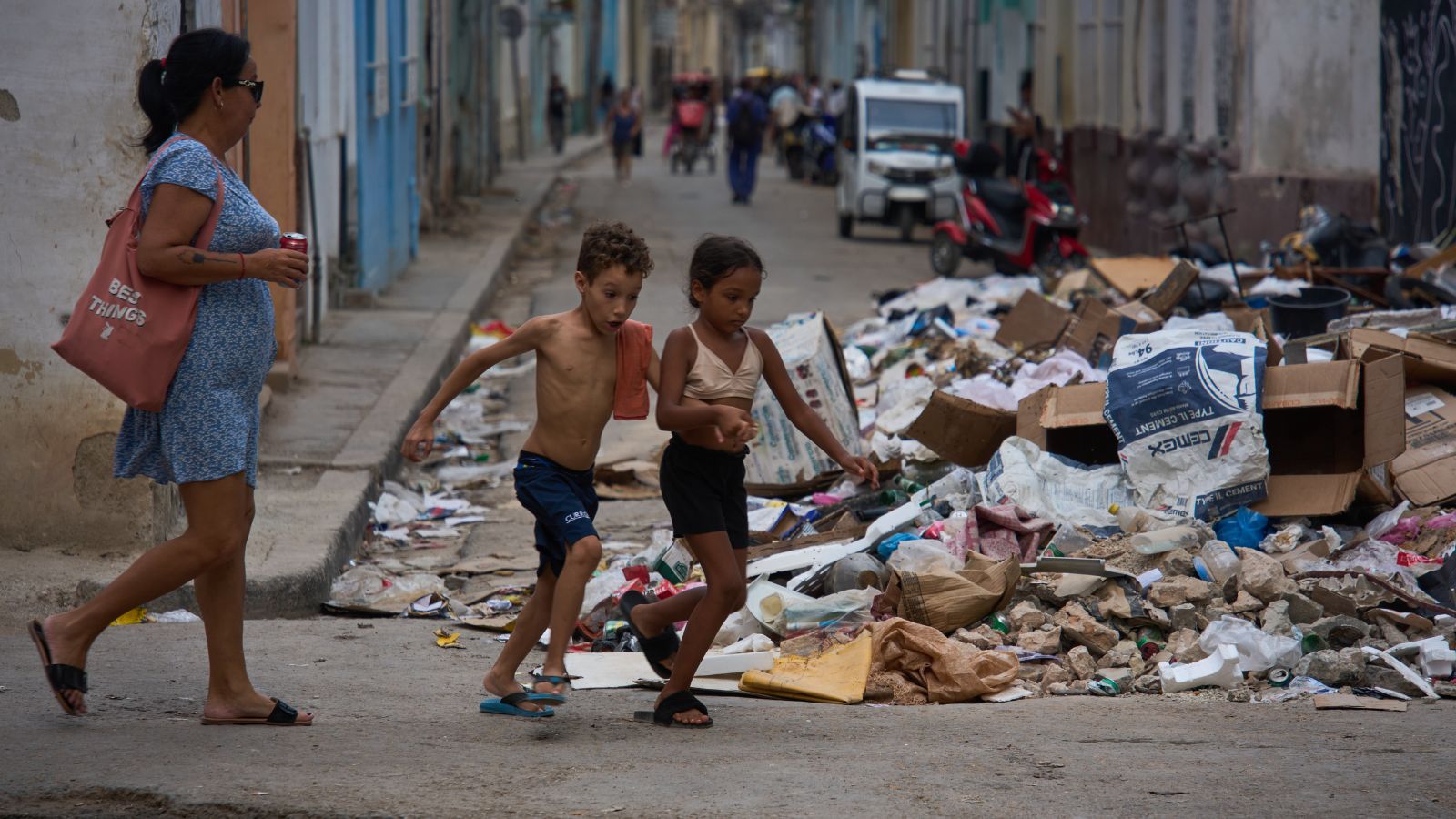
Cuba experienced a nationwide blackout on Monday, as the country continues to grapple with a severe energy crisis. The Ministry of Energy and Mines reported a total collapse of the national electrical grid. The grid operator stated that it is investigating the cause. Energy Minister Vicente de la O Levy said officials are working to restore power and have activated emergency 'microsystems' to maintain essential services.
This is not the first such incident. Cuba has faced multiple nationwide blackouts in recent years due to aging infrastructure struggling to meet demand. The situation has worsened this year after the United States intensified economic sanctions, prompting Cuba's main fuel suppliers to halt oil shipments. In March alone, the island suffered at least two total blackouts within a week.
President Miguel Díaz-Canel accused the United States of deliberately blocking fuel imports to provoke unrest. The US maintains that its pressure campaign is intended to force Cuba's government to open its economy and allow foreign investment.
The energy crisis has severely impacted education, transportation, and healthcare across the island. Fresh US sanctions have further strained the Cuban economy and deterred tourism. In response, Cuba's National Assembly recently approved a set of economic reforms. A US State Department spokesperson described the measures as 'modest, long overdue and ultimately superficial smoke signals.' Cuba's foreign trade minister denied that the reforms were a response to external pressure.
Despite the tensions, US and Cuban officials have held multiple talks in recent weeks. CIA Director John Ratcliffe met Cuban intelligence officials in Havana in May. The commander of US Southern Command also met senior Cuban military officials near Naval Station Guantanamo Bay. The US has accused Cuba of hosting Russian and Chinese listening posts, which Cuba denies.







