Criminalising dissent a danger to democracy, says Supreme Court judge
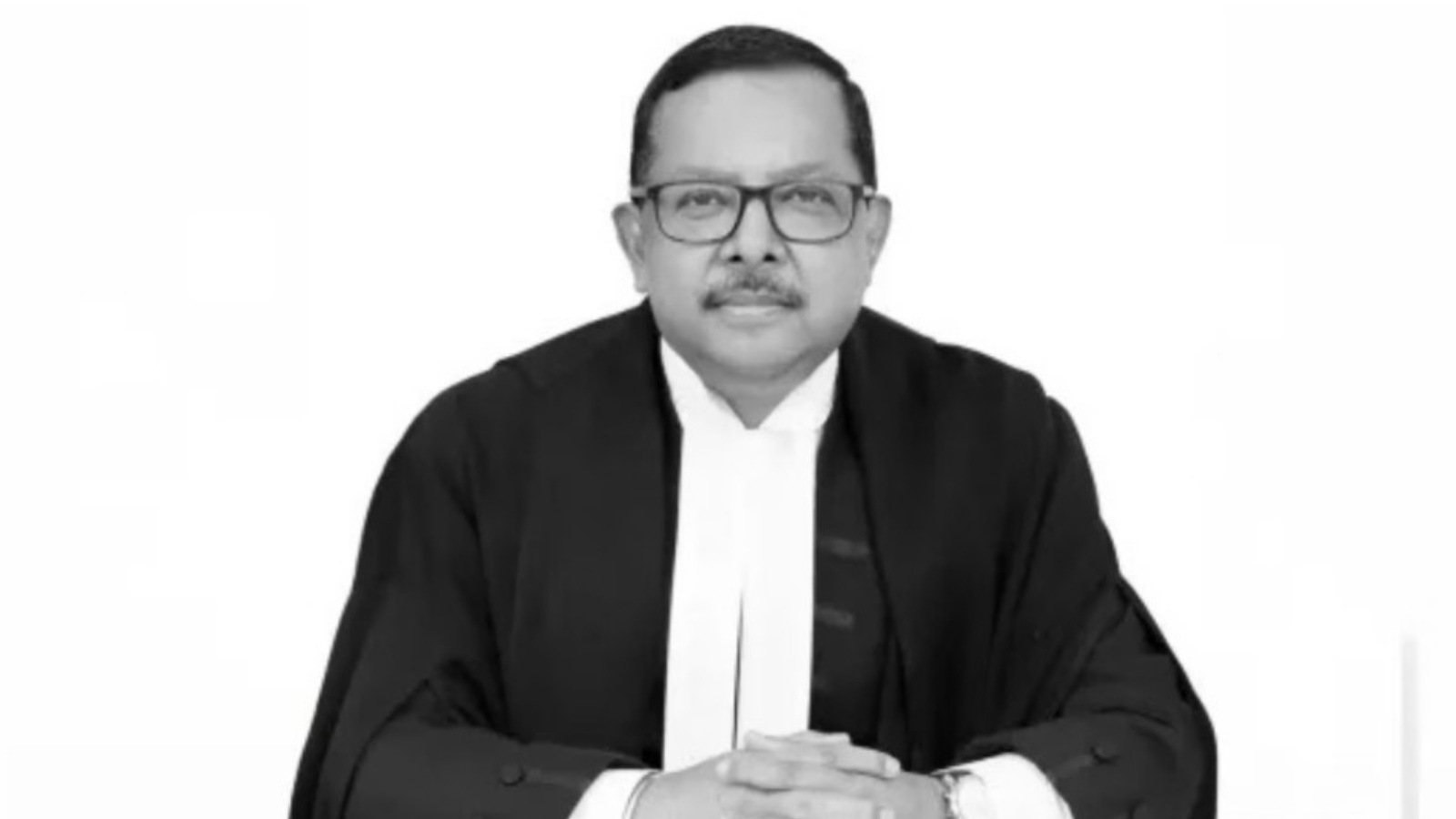
Justice Ujjal Bhuyan of the Supreme Court on Saturday said that ordinary acts of dissent are increasingly being treated as criminal conduct, citing the arrest of youngsters for consuming chicken biryani while breaking their fast. Speaking at the 4th Memorial Lecture of Justice G P Singh at the National Law Institute University in Bhopal, the judge said there was no law prohibiting the consumption of chicken over the Ganga river, and such arrests are unwarranted.
“I am sure consuming chicken biryani is not an offence. It can’t be an offence… they were arrested for that very reason and they had to remain in jail for three months,” Justice Bhuyan said.
The judge emphasised that peaceful protest is central to a democracy and that debate and dissent are fundamental freedoms. He expressed concern that even normal activities are being criminalised, pointing to examples of environmental activists and student demonstrators being treated as criminals. “People who come to voice their anguish over environmental degradation are chased away as if they are criminals. Students protesting in campuses are arrested and do not get bail for 30-40 days,” he said, adding that students are often suspended, forcing them to approach courts to resume their education.
Justice Bhuyan also questioned whether courts, through restrictive bail conditions, are discouraging dissent. He said that while courts do grant bail, the conditions imposed – such as barring accused persons from attending public meetings or posting on social media – severely undermine fundamental freedoms. He referred to the Supreme Court’s 2024 judgment against “bulldozer justice” as welcome but noted it came “two years too late”.
The judge criticised the Bombay High Court’s refusal to permit a demonstration in solidarity with Palestine, calling the court’s observations “very amusing”. He noted that India has traditionally recognised Palestine and hosts a Palestinian Embassy.
On the issue of former judges moving into political roles after retirement, Justice Bhuyan said that when a former Chief Justice of India says he is going to the Rajya Sabha to bridge the gap between the judiciary and the executive, it is fundamentally wrong. He urged law students to question institutions, including the judiciary, and said judicial decisions must remain open to scrutiny. “Criticism of a judgment does not amount to criticism of a judge,” he said.
The judge concluded that the judiciary’s legitimacy rests on public confidence, and expressed hope in the new generation of lawyers and law students, who he said are far more committed to the rule of law and the Constitution.