Congress to Amit Shah: 'You are damaging Sardar Patel's image, not us'
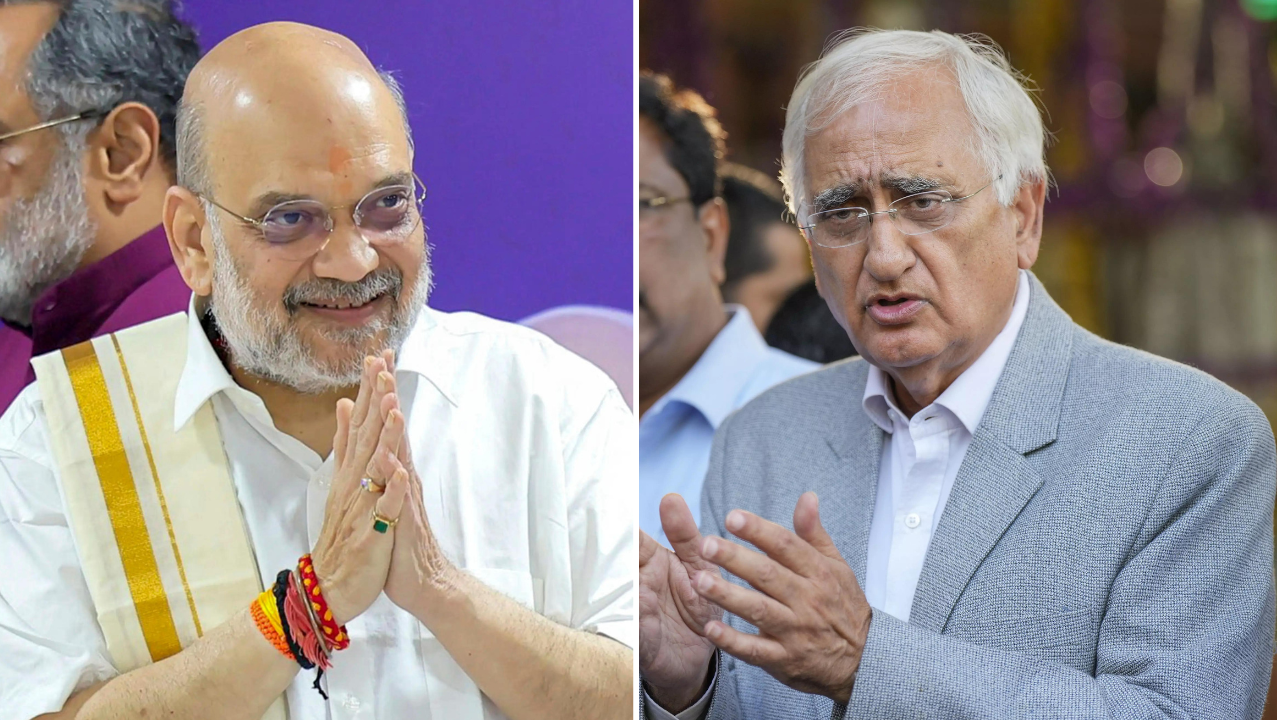
The Congress has rejected Union Home Minister Amit Shah's allegation that the party pushed Sardar Vallabhbhai Patel to the sidelines, turning the charge back on the senior BJP leader with the retort that it is he who is damaging Patel's image.
The exchange is the latest round in a long contest between the two national parties over the legacy of India's first Deputy Prime Minister and Home Minister, a leader whose role in integrating the princely states into the Union is central to the founding story of the Republic.
Mr Shah has argued that the Congress did not give Patel his due and that the BJP-led government has worked to restore his place in the national narrative, pointing to projects and commemorations undertaken in his name.
The Congress's response, reported in the wake of those remarks, was blunt: the party said the Home Minister's framing does damage to Patel's own image rather than to the Congress. Party leaders have argued that the charge is politically motivated and historically inaccurate.
The Congress's case rests on the record. Patel was a lifelong Congress leader who served as Deputy Prime Minister and Home Minister from 1947 until his death in 1950, and it was the Congress government that conferred the Bharat Ratna on him in 1991. Patel's birth anniversary on 31 October is observed nationally as National Unity Day, and the Statue of Unity in Gujarat, unveiled in 2018, has become a focal point of official remembrance.
The BJP's case rests on the argument that the Congress's own internal history — including differences between Patel and Prime Minister Jawaharlal Nehru over certain policies — has been glossed over, and that Patel's stature was allowed to recede in public memory until the party took up the task of reviving it.
Historians have long noted that Patel and Nehru disagreed on some questions of policy, particularly in the early years after Independence, but that the two worked closely in government and that the idea Patel was deliberately marginalised is contested rather than settled. Both men, along with other leaders of the freedom movement, are part of the same founding generation, and reducing their complex relationship to a single accusation serves neither history nor public understanding.
What is not in dispute is the political value of Patel's legacy. Both parties now claim him. For the BJP, he is a symbol of administrative firmness and national integration; for the Congress, he is a reminder that the party that won Independence produced leaders of the first rank across ideological temperaments.
The sparring matters because it shapes how Indians are taught to remember their own history. When rival parties argue over who honoured a national figure more, the risk is that a leader's record is reduced to a talking point. Patel's contribution — the peaceful, negotiated integration of more than 500 princely states into a single union — belongs to the country rather than to any party, and the fairest tribute would be an accurate account of what he did and the circumstances in which he did it.