Climate change hits Indus treaty rivers: Rainfall down 20% in Ravi, Beas, Sutlej since 1951
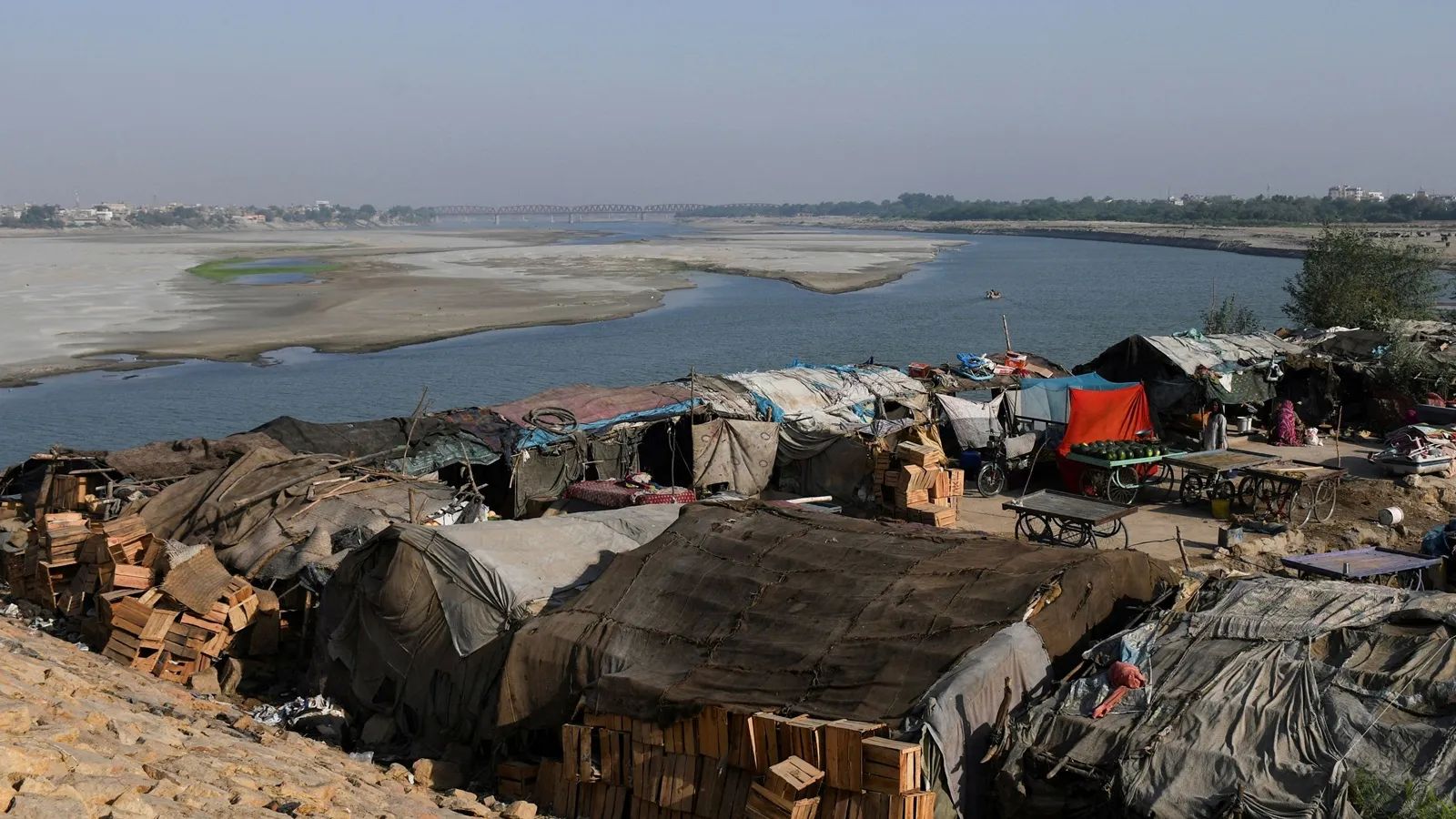
A new study has assessed for the first time the impact of climate change on water availability in the Indus river system, revealing a significant decline in rainfall over the catchment areas of the three eastern rivers — Ravi, Beas and Sutlej. The study, covering the period from 1951 to 2024, found that precipitation in these basins has dropped by 20 per cent.
In contrast, the catchment areas of the three western rivers — Indus, Jhelum and Chenab — experienced only a 6 per cent reduction in rainfall over the same period. The study described this decline as 'statistically non-significant', indicating relative stability.
The findings carry significant implications for the Indus Waters Treaty between India and Pakistan. Under the treaty, the waters of the three eastern rivers are allocated entirely to India, while the western rivers are predominantly for Pakistan's use. India has argued that the treaty needs to be renegotiated to account for new realities such as climate change and demographic shifts. This study provides empirical evidence of changing water availability that could strengthen India's position.