CJI: 'Hands off Jantar Mantar' — right to protest must stay
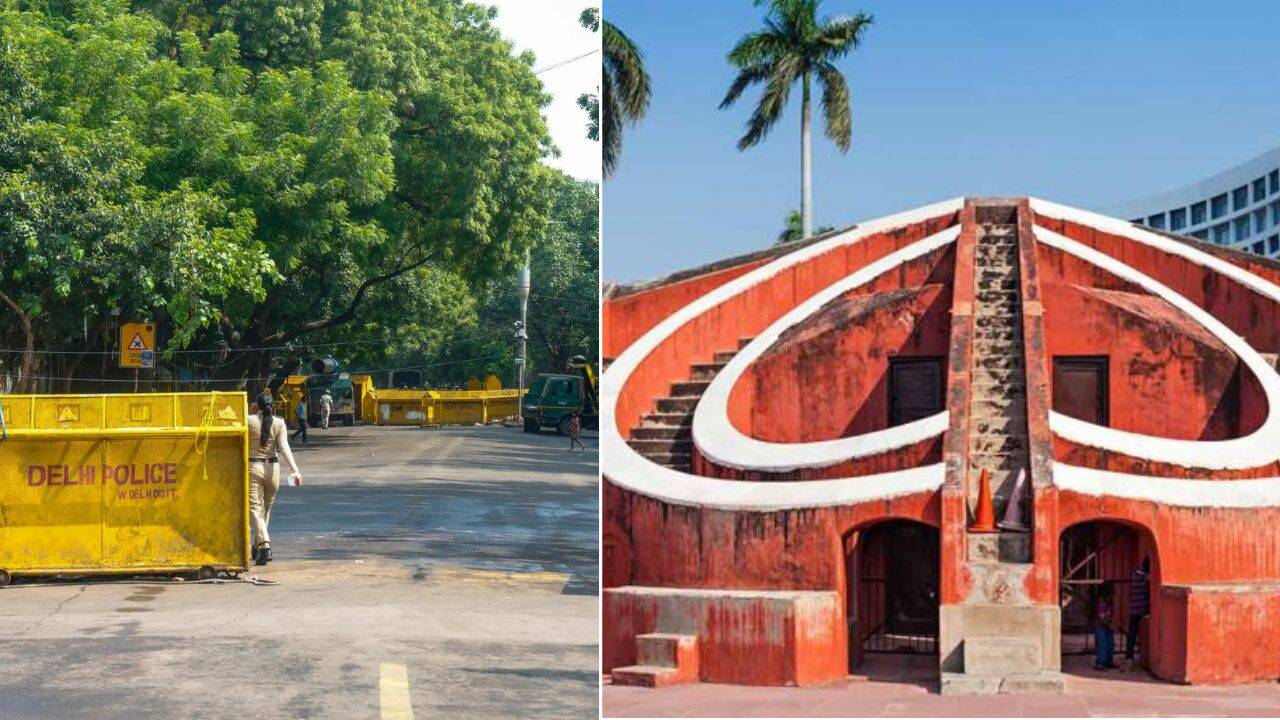
The Chief Justice of India on Tuesday said he would not tolerate any attempt to take away the Jantar Mantar protest site, delivering a strong rebuke to those seeking to move demonstrators away from the historic venue. The remarks came in response to a Delhi High Court poser on whether the site, long associated with peaceful protests, should be freed from ongoing agitations.
Jantar Mantar, located in central Delhi, has been a designated space for public demonstrations for decades. It has witnessed countless movements, from farmers' rights to anti-corruption campaigns. The site holds symbolic importance as a place where citizens can voice dissent directly to the government.
During a hearing in the Supreme Court, the Chief Justice made the remark while referring to a recent query by the Delhi High Court. The High Court had reportedly asked the city police and the administration to clarify their position on continuing protests at the site. The Chief Justice's response underlined the constitutional right to peaceful assembly, which is protected under Article 19(1)(b) of the Indian Constitution.
Legal experts say that while this right is not absolute and can be subject to reasonable restrictions for public order and tranquillity, the CJI's remarks signal a firm judicial stance on preserving accessible spaces for protest. The High Court's query had raised concerns about congestion and inconvenience caused by long-pending demonstrations, but the Chief Justice emphasised that the solution cannot be to simply remove the site.
This is not the first time the judiciary has intervened to protect protest spaces. In earlier judgments, courts have held that the right to protest is a vital part of democracy, and that the state must facilitate, rather than obstruct, peaceful demonstrations. The CJI's statement reinforces this principle in clear terms.
So far, neither the Delhi Police nor the city administration has formally responded to the High Court's notice. The matter is expected to be heard again, and the CJI's remarks are likely to influence the outcome. Political leaders and activists have welcomed the statement, with many viewing it as a necessary check on any attempt to erode democratic freedoms.
The development comes at a time when civil rights groups have expressed concern over shrinking space for dissent in the country. Jantar Mantar, in particular, has been under pressure in recent years as authorities have occasionally cleared protests or shifted them to other locations. The CJI's intervention is being seen as a reminder that such actions must always respect constitutional boundaries.
Observers note that the issue also has broader implications for urban planning and governance. While managing public spaces is a legitimate concern, the solution lies in creating dedicated protest zones rather than eliminating them. The Chief Justice's unequivocal statement may prompt a constructive dialogue on balancing convenience with democratic rights.
As the legal proceedings continue, the spotlight remains on Jantar Mantar and the future of protest movements in India's capital. For now, the Chief Justice has made it clear that any move to dismantle this symbol of citizen participation will not be accepted by the judiciary.