China’s Animal Lovers Move Fight Against Cruelty Offline and Overseas After Censorship
In June, a video showing the killing of a stray dog and her puppies in Jieyang, Guangdong province, sparked outrage online. The footage depicted four boys under the age of 14 beating three puppies with sticks and then setting their mother, named Wang Wang, on fire. The boys were seen laughing during the incident.
Chinese authorities quickly intervened, not only to investigate the matter but also to manage the public anger that erupted on social media. Citing the young age of the boys, officials urged people not to share the video or related content, warning against cyberbullying. An official statement read: “We urge the public not to disseminate related information, to reject cyberbullying, and to work together to create a good environment for the growth of minors.”
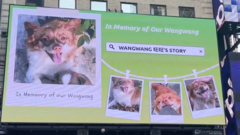
However, the restrictions appeared to fuel further outrage. Animal lovers in China, frustrated by the lack of a national animal cruelty law, began organizing offline protests and even took their campaign abroad. Billboards were put up in New York to raise awareness and demand legal changes.
Although posts about the incident continued to draw thousands of comments on Chinese platforms for weeks after the event, many of the original posts were removed or hidden. The Jieyang authorities announced that the boys would not face criminal charges due to their age and would instead be sent to a “specialised school,” though no further details were provided. Some reports suggest the boys filmed the incident themselves and uploaded it, but police have not confirmed this.
The identities of the boys have not been officially released, but snippets of the video with their faces visible continue to circulate online. Unverified close-up images have also appeared, raising concerns about misidentification and potential harm to other children.
China does not currently have a specific law against animal cruelty, though there have been calls for one. The incident has highlighted this legal gap and the tension between public anger and state efforts to control online discourse. The shift to offline and international advocacy reflects a growing determination among animal rights activists to push for change despite censorship.