China Hits Back: Export Controls on 10 US Firms Over Pentagon Blacklist

China has imposed export controls on 10 American companies, including defence contractors and rare earths miners, in retaliation for the United States adding Chinese firms to a Pentagon blacklist. The announcement came on Monday from China's Commerce Ministry, which stated the measures are meant to 'safeguard national security' and respond to what it called a 'egregious act' by the US government.
The action follows the US release of a new blacklist this month naming 80 companies and their subsidiaries that Washington says aid the Chinese military. That list included major Chinese technology firms such as Alibaba, Baidu, and electric vehicle manufacturer BYD. Beijing had previously threatened retaliation.
Among the US entities now subject to Chinese export controls are Aveox, a contractor for US aerospace defence, and Oshkosh Defence, which produces military vehicles. Also listed are rare earths producers MP Materials and USA Rare Earth. Chinese exporters are prohibited from providing dual-use items—goods with both civilian and military applications—to these companies, and any ongoing exports must cease immediately. The ban extends to organisations in any country that transfer or provide such items originating from China to the listed entities.
Separately, China's Finance Ministry announced a ban on agencies involved in public procurement from buying products made by 46 US firms, including Lockheed Martin, Raytheon, Boeing's defence division, General Dynamics, and Anduril Industries—all major US military contractors. Companies with US investments operating in China are exempt from these measures, which took effect from Monday.
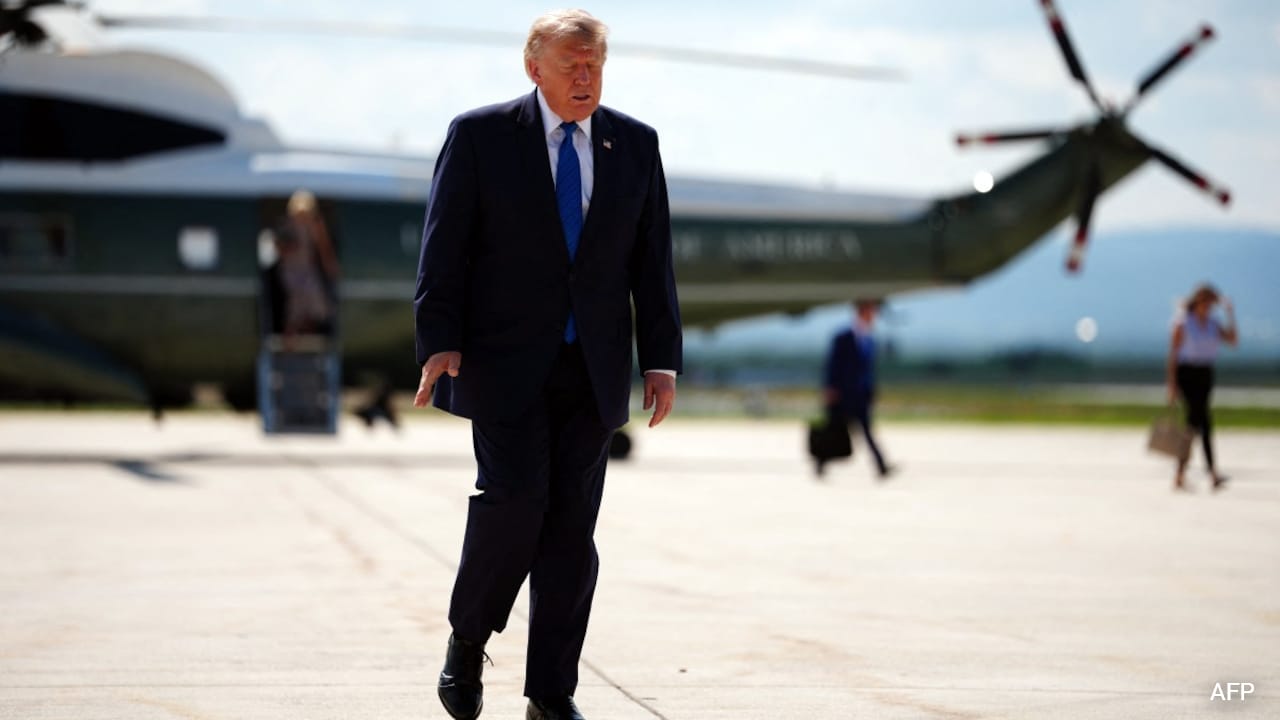
The tit-for-tat sanctions come about a month after US President Donald Trump visited Beijing to meet Chinese counterpart Xi Jinping, seeking to stabilise fraught relations. During that meeting, the two leaders agreed to work towards reducing tariffs. However, ties have remained strained as both sides impose restrictions on each other in technology and defence sectors.
China's Commerce Ministry had previously sanctioned several of these US firms in 2024 and 2025 over American arms sales to Taiwan. Taiwan, which Beijing claims as part of its territory, relies heavily on US support to counter growing pressure from China. Beijing has not ruled out seizing the island by force. US Secretary of State Marco Rubio said this month that a proposed $14 billion arms package to Taiwan was 'under review.'
Since his meeting with Xi, President Trump has sought to publicly project an image of strong bilateral ties. At the G7 conference in France last week, Trump thanked Xi for staying 'neutral' in the US conflict with Iran, as the countries adopted an initial ceasefire.