Why Ranchi Students Are Protesting: Exam Leaks, JPSC Scandal, and the Demand for Justice

The peaceful protest by students in Ranchi entered its 13th day on Wednesday, August 6, 2026. Hundreds of students have been camped at the Jaipal Singh Munda Stadium since July 25, demanding a Central Bureau of Investigation (CBI) inquiry into alleged irregularities in competitive examinations for government jobs in Jharkhand. The protests concern exams such as the Jharkhand Public Service Commission (JPSC) Combined Civil Services Examination and the Jharkhand General Graduate Level Combined Competitive Examination, popularly known as the JSSC-CGL exam.
The students have said they will continue their agitation until the government makes a concrete decision on their demands. The Jharkhand Crime Investigation Department (CID) is currently investigating the irregularities and has questioned former JPSC chairman L. Khiangte. So far, 19 people have been arrested. The state government has also formed a four-member team to hold talks with the students, who have agreed to engage. However, the government has not yet announced the official date, time, or venue for the meeting.
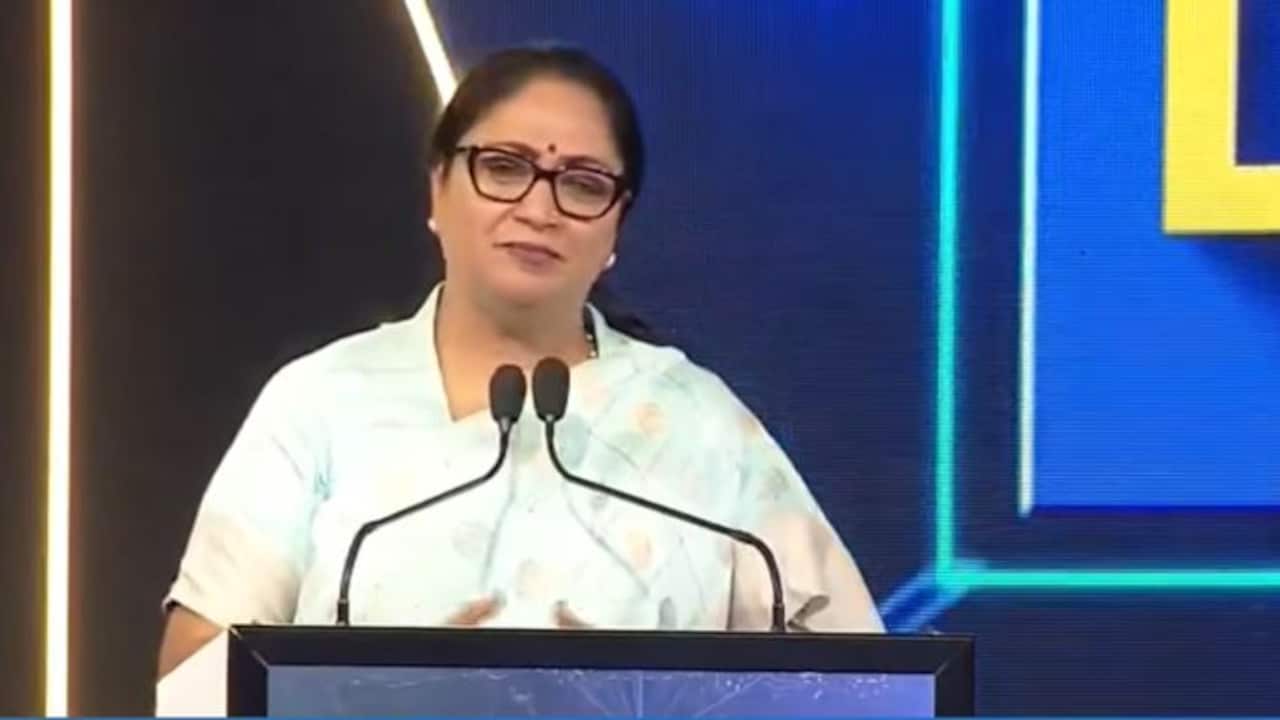
Meanwhile, the All India Students’ Association (AISA) has called for a protest march to the Jharkhand Legislative Assembly on Friday, August 7. AISA national president Neha Bora is expected to participate in the march.
What are the demands?
The protesters are primarily demanding a CBI inquiry, cancellation of the 14th JPSC Civil Services Preliminary Test, and a review of exams conducted by agencies such as TSR Data Processing Private Limited. They are also seeking a ‘not attempted’ option as a fifth choice on OMR sheets, rectification of irregularities and paper leaks in recruitment exams, strict action against those responsible, and comprehensive reforms within the JPSC and JSSC.
How is this different from the Jantar Mantar protest?
Unlike the Jantar Mantar protest in Delhi, where police used baton charges and tear gas, the Jharkhand government and state police have not taken any coercive action against the students in Ranchi. The protest has remained peaceful. Every evening, students hold candle marches and the Tiranga March, and local residents and job aspirants join them in a show of moral support.
What is the government’s stand?
Jharkhand Chief Minister Hemant Soren has assured the students that their concerns will be addressed seriously. The government has sent a representative to urge students to send a delegation to the Chief Minister’s residence for talks. Mr. Soren has described the issue of paper leaks as a serious national problem affecting youth across many states, and not just Jharkhand. He has said investigations are ongoing and that all necessary measures will be taken.
Who is supporting the protest?
The Cockroach Janta Party (CJP) has voiced support, with its founder Abhijeet Dipke expressing solidarity with the students. Educationist Sonam Wangchuk also backed the protest and spoke to Jharkhand Loktantrik Krantikari Morcha leader Devendra Mahto, who ended his four-day fast after their call. The Jharkhand Congress, an alliance partner of the JMM-led government, has given moral support. NSUI President Vinod Jakhar visited the protest site and assured students that their demands would be forcefully raised before the government. Jharkhand Congress Working President Bandhu Tirkey has sent refreshments to the site. Assam Chief Minister Himanta Biswa Sarma has also urged the state government to meet the students’ demands.
The Ranchi protest comes amid a broader wave of student demonstrations across India over irregularities in recruitment examinations. In several states, paper leaks and alleged malpractices have triggered demands for transparency and accountability. The Jharkhand protest has become a rallying point for job aspirants, who see it as a fight for a fair and merit-based system.
As the protest enters its second week, the lack of a firm timeline for talks has kept uncertainty alive. Students have said they will intensify their agitation if no concrete steps are taken. The coming days will be crucial, as the state government faces increasing pressure from both the protesters and political leaders to resolve the matter through dialogue and action.