Centre Warns of Consequences as High Court Refuses to Order Shift of Activist Wangchuk
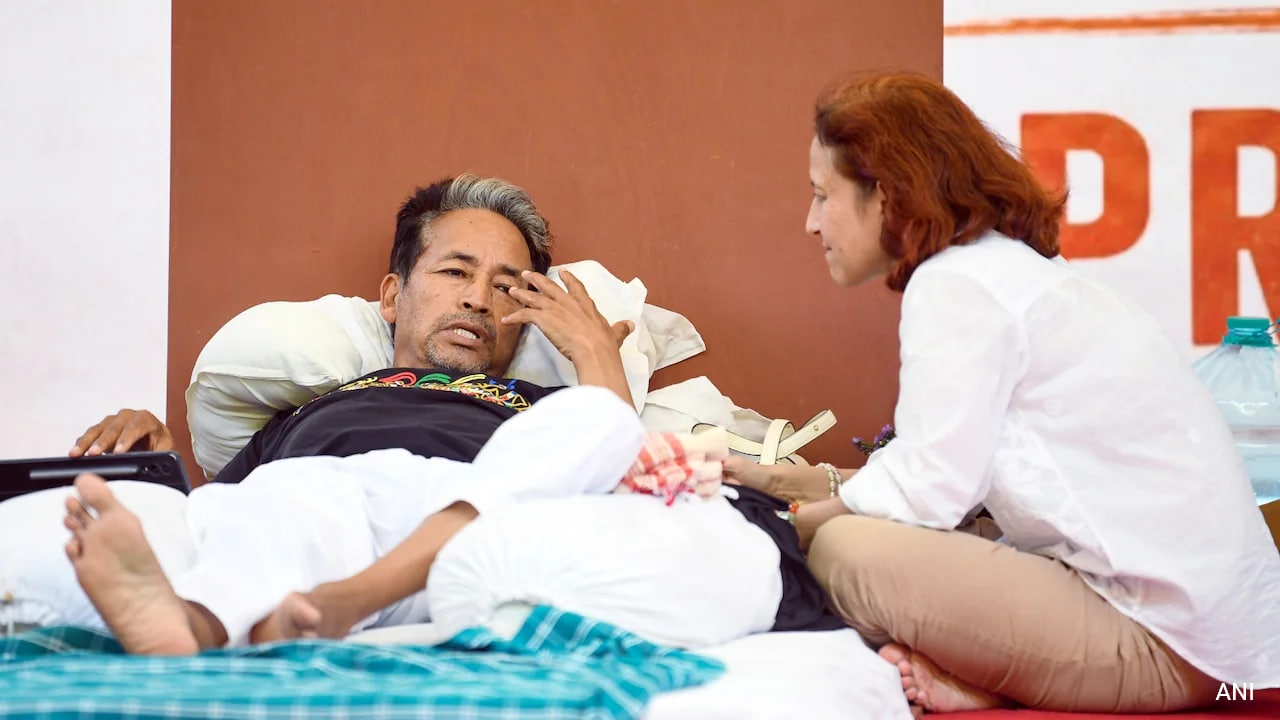
The Delhi High Court on Wednesday refused to pass an interim order on a plea by the wife of activist Sonam Wangchuk to move him from Safdarjung Hospital to a private facility. The court ruled that the police action to hospitalise him was not arbitrary.
A bench led by Justice Mini Pushkarna said the medical team treating Mr. Wangchuk, who is on a hunger strike, will take the final decision on his treatment. The court noted that the government had requested permission to take whatever action needed to save his life, to which the bench responded that the doctors in charge would decide.
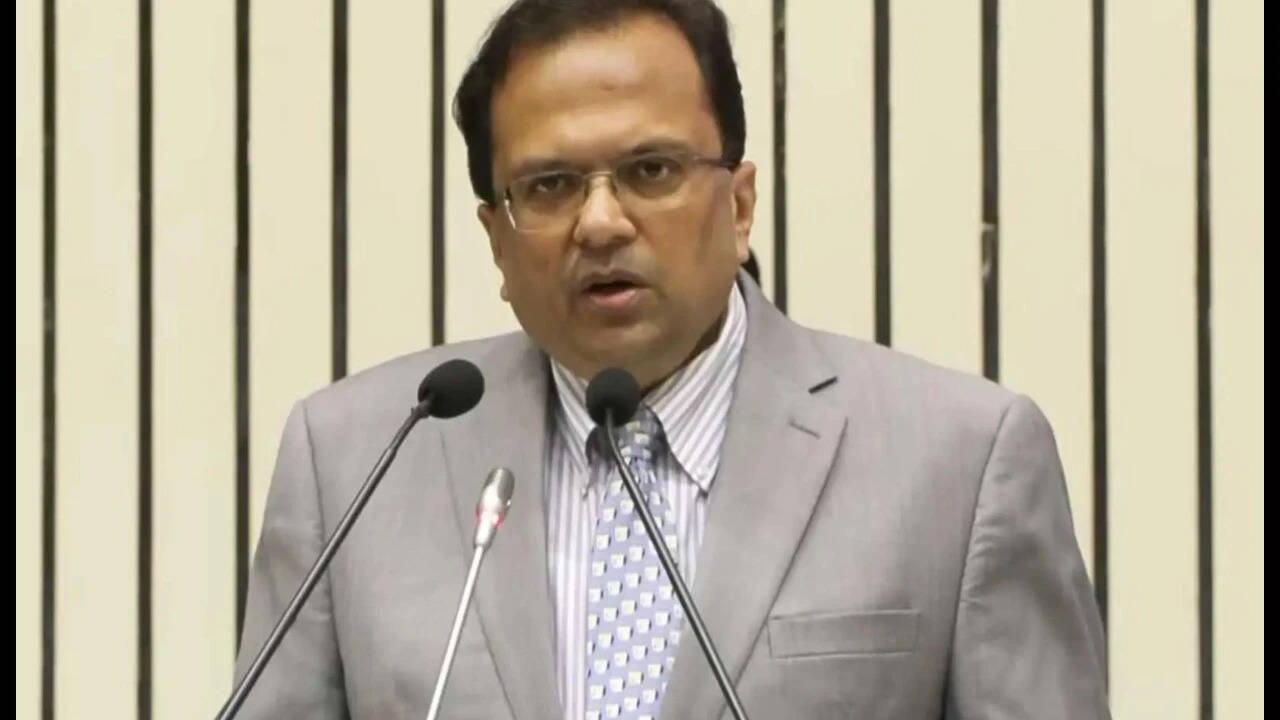
The government argued that Mr. Wangchuk's health had deteriorated after three weeks of fasting, which could cause dehydration and affect kidney function due to low potassium levels. Assistant Solicitor General Chetan Sharma stated that 18 days of fasting in humid weather can dehydrate any person and lead to ketosis. He also noted that even the President of India receives care at government hospitals.
Senior lawyer Kapil Sibal, representing Mr. Wangchuk, said his client wished to be shifted to Medanta Hospital, and the hospital had been contacted. He insisted that Mr. Wangchuk had the right to choose his doctor. “Whatever has to be done will have to be done by a doctor of my choice. It is my body, and I decide where I go,” Mr. Sibal said.
Mr. Wangchuk's wife, Gitanjali Angmo, submitted that she had lost trust in Safdarjung Hospital and therefore sought to transfer him to a private facility.
A doctor from AIIMS submitted that Mr. Wangchuk was administered oral medicines and ORS without sugar, as he is refusing intravenous access or any supplements containing sugar or vitamins. The doctor said he is in a state of ketosis and dehydration, requiring carbohydrates and vitamins.
The government told the court that whatever happens to Mr. Wangchuk will have huge consequences.