Centre to Notify Western Ghats Eco-Sensitive Zones in Three States After 12-Year Delay
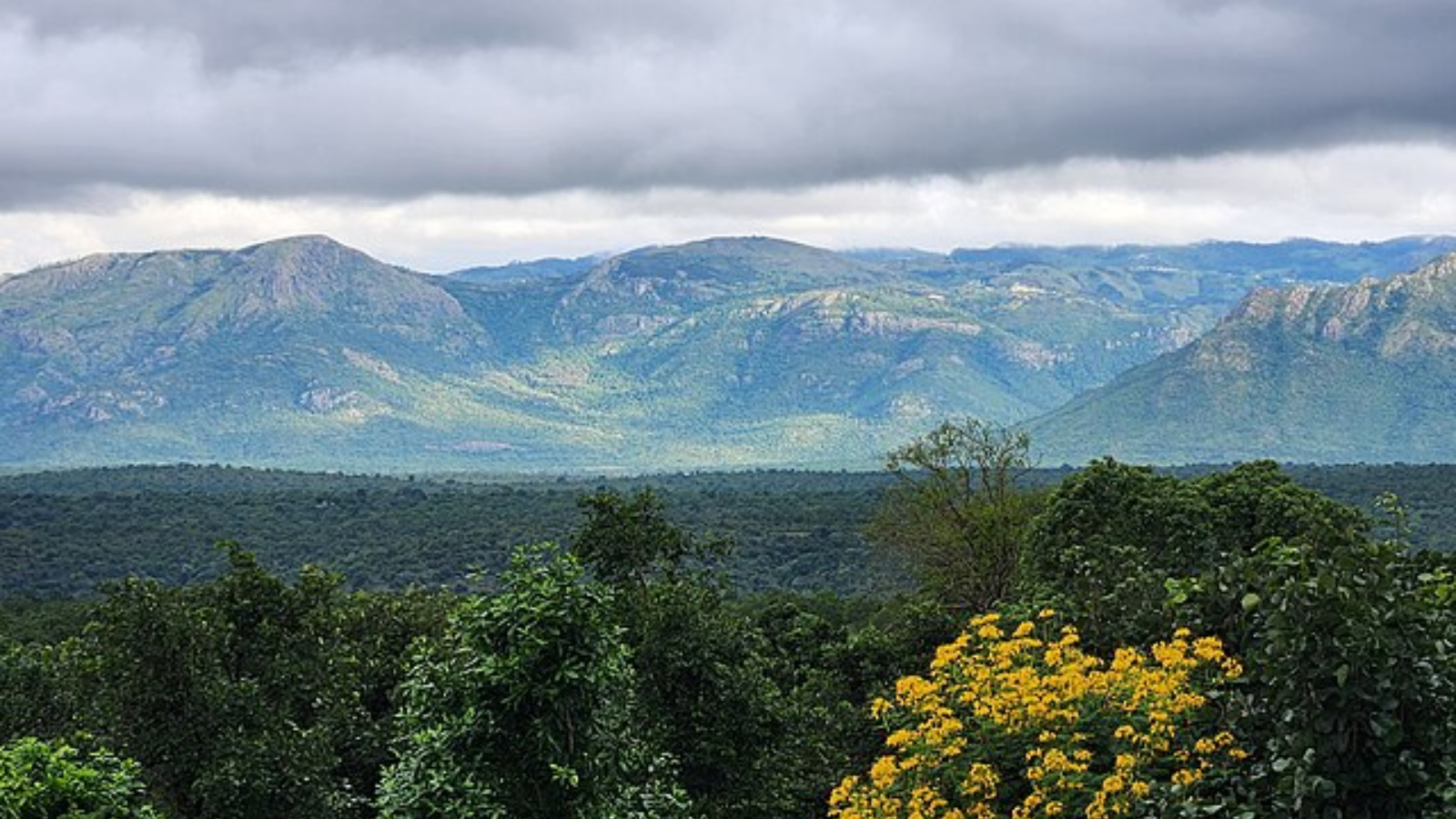
Twelve years after the first draft notification, the Union government is set to finalise the demarcation of Ecologically Sensitive Areas (ESA) in the Western Ghats for at least three states where contentious issues have been resolved, official sources said.
Over 56,000 square kilometres across six states are proposed to be designated as ESA, based on the 2013 recommendations of a high-level working group led by former ISRO chairman K Kasturirangan. The Centre's original draft notification was issued in 2014 and has undergone five revisions since then, but disagreements with state governments have persisted.
According to top officials from the Ministry of Environment, Forest and Climate Change, the states where demarcation is nearly finalised are Gujarat, Goa, and Maharashtra. Tamil Nadu, the sixth affected state, has no major differences, though the extent of 6,914 sq km proposed there is yet to be finalised. However, Kerala and Karnataka continue to hold out—Kerala seeking further reduction of its area, and Karnataka questioning the entire exercise.
The previous approach of issuing draft notifications for all states together has been changed. Now, the Centre is preparing to notify the ESA only for states where agreement has been reached or is imminent. The final notification will provide stronger legal protection under the Environment Protection Act, 1986, and prohibit or heavily restrict activities that threaten the region's fragile ecosystem.
Prohibited activities include new mining and quarrying projects, thermal power plants, most polluting 'red-category' industries, and new construction or expansion of buildings with a built-up area of 20,000 square metres or more.
The Western Ghats, one of the world's eight 'hottest biodiversity hotspots' and a UNESCO World Heritage site, are home to hundreds of endemic plant and animal species. The mountain chain influences the monsoon system and feeds major west-flowing rivers such as the Krishna, Godavari, Cauvery, Mandovi, Periyar, and Sharavathi, making it a critical water source for peninsular India.
The move comes close to the expiry of the sixth draft notification, issued on July 31, 2024, which is valid until July 27, 2025. The current term of the expert committee negotiating with states also ends in July.