Centre to Launch New Programme for Intensive Home Care of At-Risk Infants and Young Children
NEW DELHI: The Union Health Ministry will launch a new national programme on Monday aimed at providing more intensive home-based care for newborns and young children identified as being at high health risk. The initiative, named Samagra Shishu Bal Swasthya Karyakram, will be formally introduced by Health Minister JP Nadda during the Central Council of Health and Family Welfare meeting.
The programme consolidates two existing schemes—Home-Based Newborn Care and Home-Based Care for Young Child—into a single framework covering children from birth to 36 months. For the first time, it introduces a risk-stratified care model, ensuring that vulnerable children receive additional attention during the critical early years of life.
Under the new framework, newborns classified as 'at risk' will receive up to nine home visits within the first 42 days, while at-risk children up to three years old will receive up to eight home visits. These additional visits are intended to facilitate early identification of health problems, timely referrals, and closer follow-up for children who need extra care.
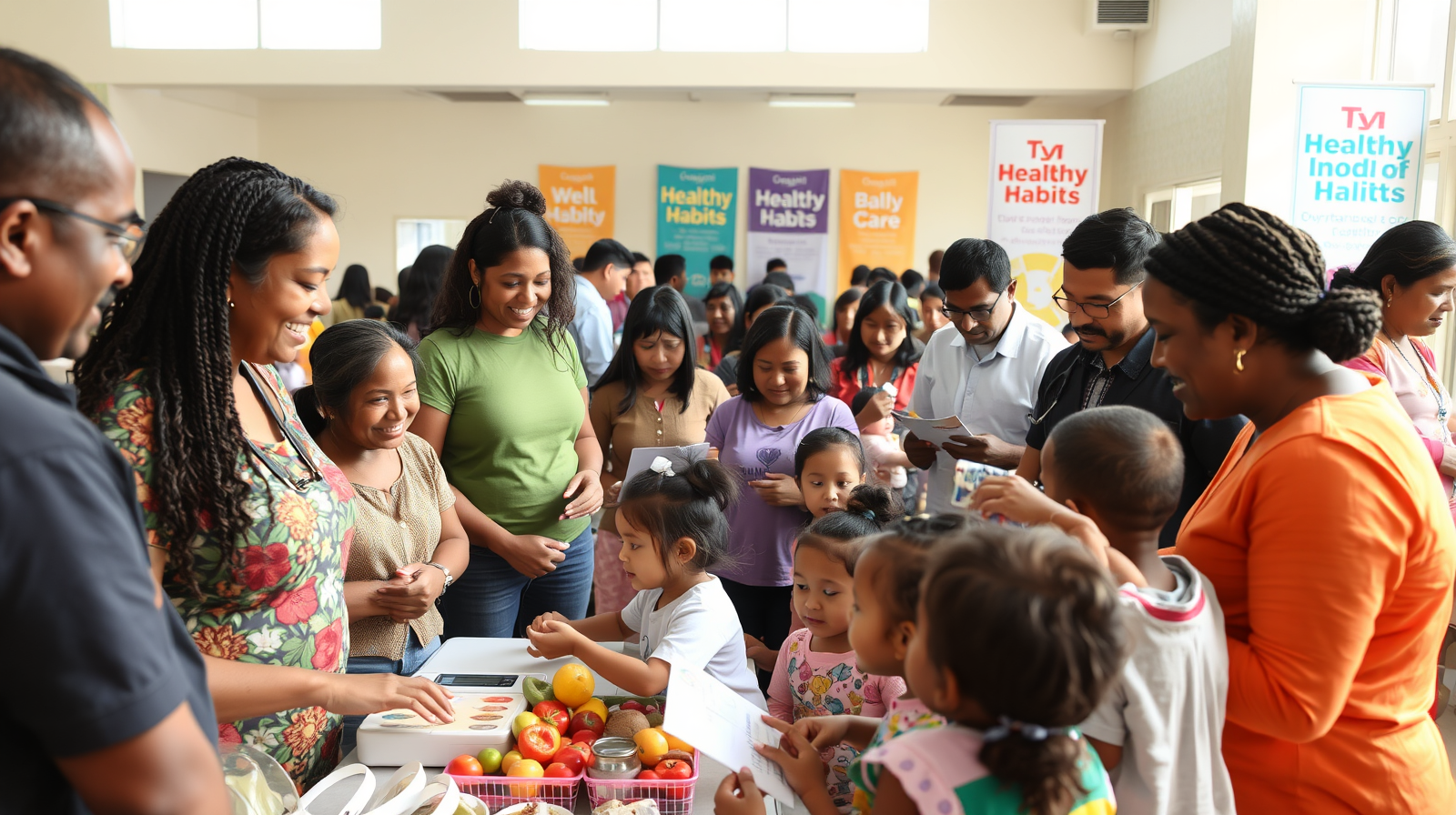
The programme also aims to strengthen coordination among frontline health workers, including ASHAs (Accredited Social Health Activists), auxiliary nurse midwives, community health officers, and anganwadi workers, through joint home visits. Well-baby sessions will be integrated into village health, sanitation, and nutrition days, and monthly Shishu Shivirs (child health camps) will be held to identify and monitor children requiring additional care.
Another significant addition is the incorporation of postpartum maternal mental health screening into routine community-based care. The programme also integrates nurturing care for early childhood development by promoting responsive caregiving, early learning, age-appropriate play, and family engagement during home visits.
Officials say the programme is designed to reduce infant and child mortality rates and improve developmental outcomes by focusing on the first three years of life, a period critical for brain development and long-term health. The risk-stratified approach ensures that resources are directed to those who need them most, without overburdening the health system.
Health experts have welcomed the move, noting that home-based care by trained frontline workers can significantly improve health outcomes for at-risk children, especially in rural and underserved areas. However, they emphasise the need for proper training and monitoring of health workers to ensure the programme's effectiveness.