Census 2027: Self-enumeration may allow partially filled forms
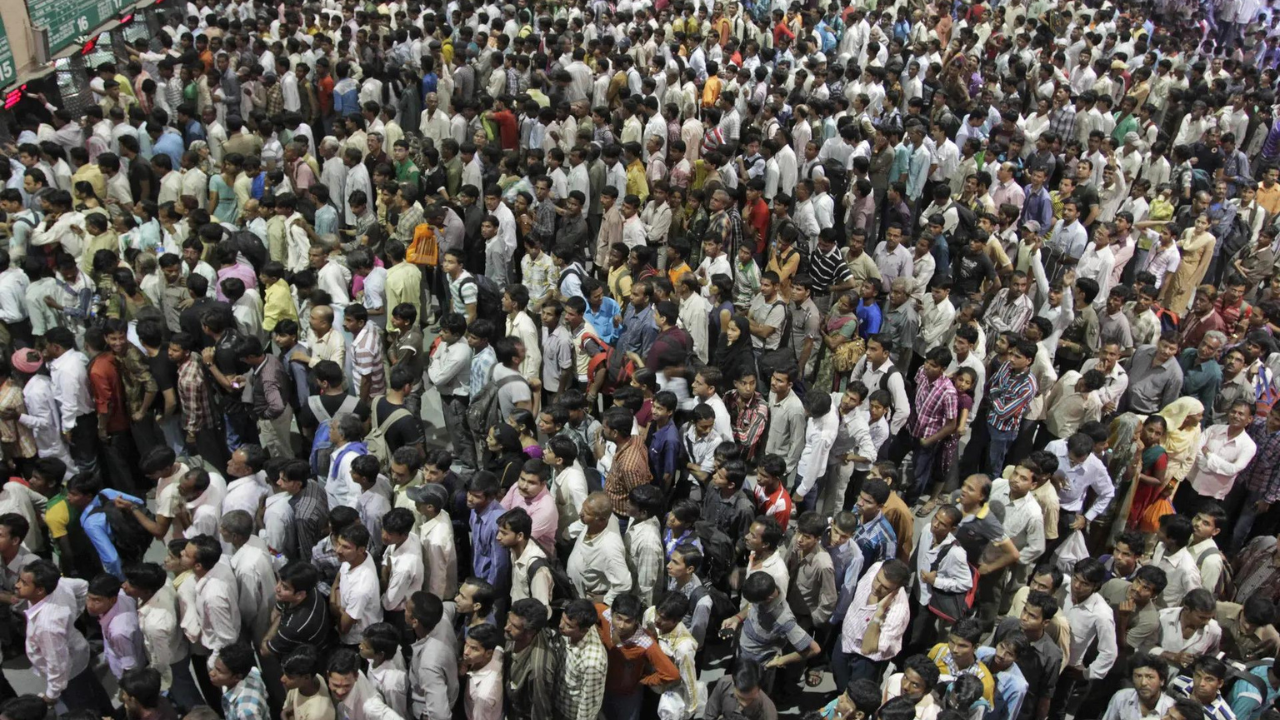
NEW DELHI: In a move that could ease the process for millions of citizens, the Census authorities are considering allowing individuals to submit partially filled forms during the self-enumeration phase of the 2027 population enumeration. The proposal comes after feedback from the first phase of the census, which involved housing and house-listing operations, revealed that the strict requirement to fill every field before submission led many to abandon the online option.
During the first phase, those opting for self-enumeration were unable to submit the form if any field was left blank, whether accidentally or due to lack of clarity. This forced many to skip the self-enumeration route and wait for an enumerator's visit to record their responses manually. Sources said that internal discussions have now highlighted the potential benefits of flexibility.
According to officials, a partially filled form—provided a minimum number of questions are answered—would reduce the enumerator's workload. The enumerator could then access the incomplete form online, fill in the remaining fields during the house visit, and thus save both time and effort. It is also believed that self-declared data tends to be more accurate and reliable, as respondents directly provide information about their households.
An officer familiar with the deliberations explained that the census application already allows enumerators to access and edit forms. He said, "Internal deliberations focused on why the self-enumeration option should not be made flexible, given that the data is to be entered digitally either by the respondent or the enumerator. The census application anyway allows the enumerator to access the filled-up form and change any wrongly entered data. So why can't he access a partially filled-up form and fill in the few remaining fields during the house visit, saving time and effort?"
The population enumeration, which is the second phase of the 2027 Census, is scheduled to be conducted nationwide in February 2027. However, as per convention, the exercise will be advanced in select states and Union territories—including Ladakh, Jammu & Kashmir, Himachal Pradesh, and Uttarakhand—that become wholly or partially snow-bound in February. These regions will see the population enumeration from September 1 to 30, preceded by a self-enumeration window from August 17 to 30.
If the proposal is approved, it would mark a significant departure from the earlier approach. In the first phase, the inability to submit incomplete forms was seen as a deterrent, particularly for those who were unsure about certain details, such as the exact year of construction of a house or the type of fuel used. By allowing partial submission in the next phase, the authorities aim to encourage greater participation in self-enumeration, thereby reducing the reliance on door-to-door visits and improving overall efficiency.
However, officials clarified that a partially filled form would still need to meet a minimum threshold of answered questions to be accepted. This is to ensure that the data collected is meaningful and that enumerators are not burdened with forms that are largely blank. The exact minimum number of questions is yet to be decided.
The move aligns with the government's broader push towards digital governance and self-service facilities. It also addresses concerns about data accuracy, as respondents often have better knowledge of their own households than enumerators who may have to rely on estimates or secondary sources. With the Census being a crucial exercise for policy planning and resource allocation, improving the quality and speed of data collection is of paramount importance.
As the 2027 Census approaches, citizens can expect more details on the self-enumeration process, including the guidelines for partial submissions, in the coming months. The Census authorities are likely to issue a formal notification after the internal deliberations conclude, and any changes will be communicated through official channels.