Bombay HC warns of severe water crisis if Chhatrapati Sambhajinagar pipeline project stalls
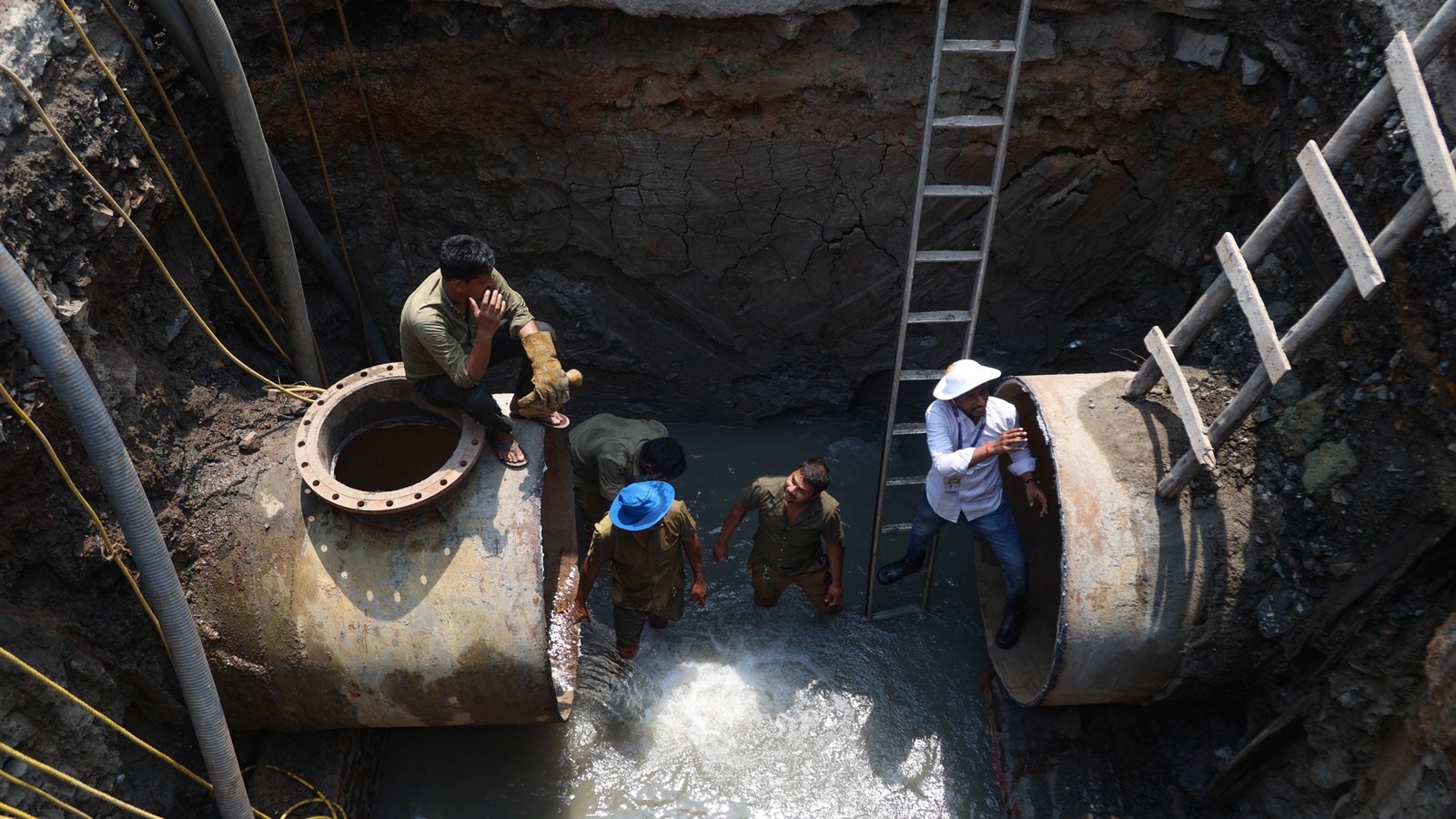
The Bombay High Court has expressed concern that Chhatrapati Sambhajinagar city in Maharashtra's Marathwada region could face a severe water crisis if a Rs 1,600-crore pipeline project is not completed on time. The court, which has been monitoring the project for four years, warned of serious consequences if the work gets stuck.
During a hearing on Monday, the bench led by Acting Chief Justice Ravindra V Ghuge noted that the city currently receives potable drinking water only once every 10 to 12 days. The court said it would be compelled to refer the matter to Chief Minister Devendra Fadnavis for intervention if any hurdles arise.
The 38-km pipeline project, part of the AMRUT 2.0 Programme, aims to bring water from the Jayakwadi dam to meet the drinking water needs of the city and surrounding areas. The High Court has described it as a lifeline for the region.
The Aurangabad bench of the Bombay High Court has been hearing public interest litigations regarding inadequate water supply. Petitioners have stated that residents often receive water only once a week or even less frequently during summer. The court has conducted 218 hearings on the matter so far.
In July 2022, a bench of then Chief Justice Dipankar Datta and Justice Ghuge expressed shock at the lack of potable water, noting that residents were being treated poorly despite the city's tourism significance due to the Ajanta and Ellora caves. That same month, the court formed the High Court Constituted Committee (HCCC), with assistance from agencies including Maharashtra Jeevan Pradhikaran (MJP), to monitor the project.
By May 2024, progress had slowed considerably, and residents were still receiving water only once every eight to nine days during summer. The court directed authorities to expedite the work and said they should not assume that the court would remain silent about the delays.
Between April and May 2024, the court recorded progress: water had been pumped through 36 km of the 38-km pipeline, and a detected leakage had been rectified. The court also urged authorities to complete installation of recirculation and backwash pumps and resolve payment disputes with the contractor to prevent an exodus of labour.
During the 218th hearing, the court noted that the project had reached about 75% completion. However, delays had arisen after the transfer in April of a team of senior project experts who had worked on it for four years. Differences had emerged between the team and senior MJP officials. The MJP's lawyer stated that the Chairman had no issues with the team and they could work together if the team was reinstated.
The state government lawyer told the court that after waiting for more than 25 years, the project had reached 75% completion. The court stressed that any further delays could lead to a severe crisis for the city.