Bombay HC Questions Maratha Quota: Can a Politically Dominant Community Be 'Backward'?
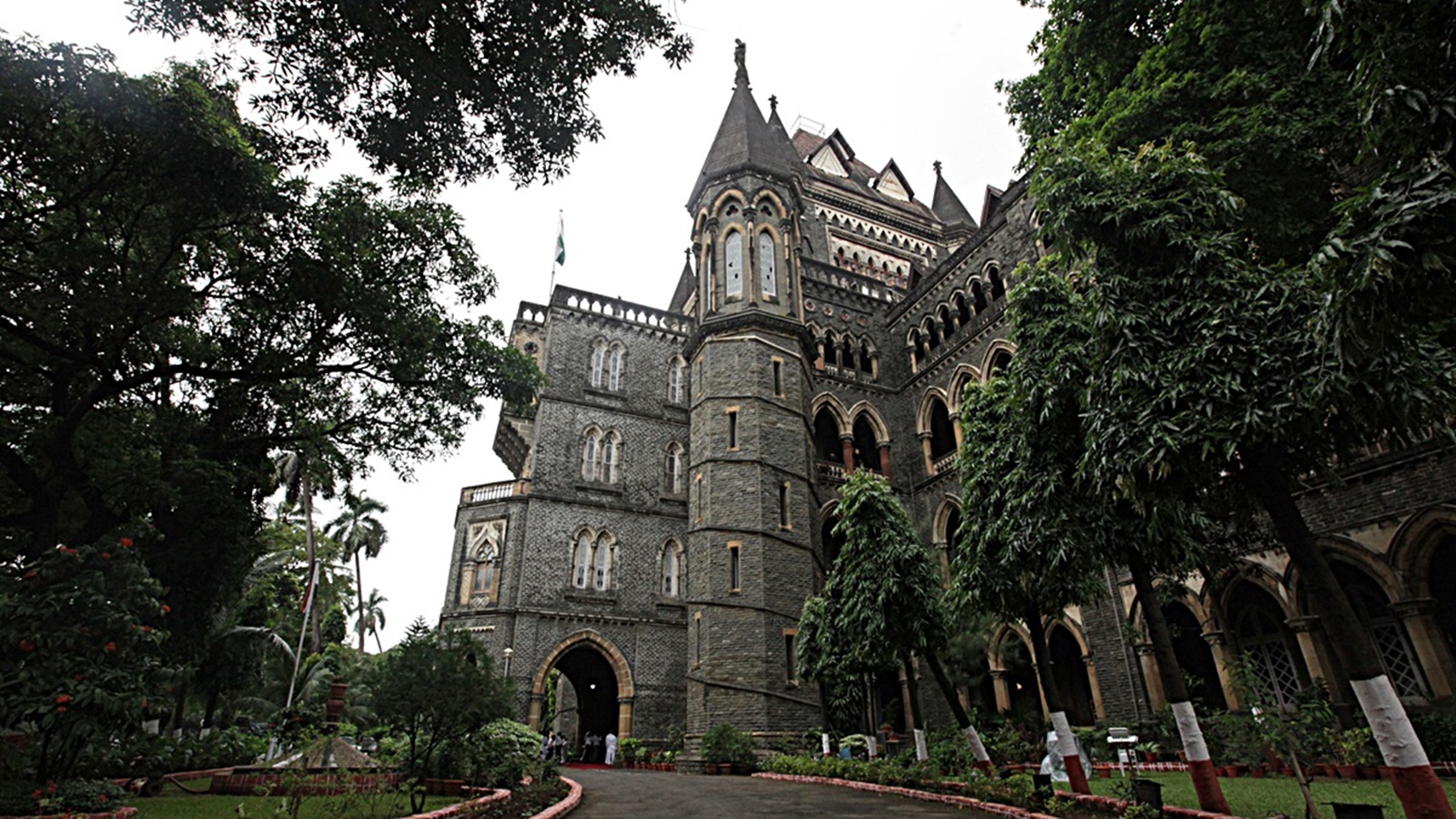
The Bombay High Court is examining whether the Maratha community, which has long held political dominance in Maharashtra, can be considered socially and educationally backward. The court is hearing challenges to the Maharashtra State Reservation for Socially and Educationally Backward Classes (SEBC) Act, 2024, which grants 10 per cent reservation to Marathas in education and government jobs.
During the hearings, a three-judge bench asked if Marathas, who have produced numerous chief ministers and ministers, can be seen as "out of the mainstream of national life"—a key factor for breaching the 50 per cent reservation ceiling set by the Supreme Court. The state government argued that the political prominence of a few individuals does not reflect the backwardness of the entire community.
The demand for Maratha reservation has been a politically sensitive issue in Maharashtra for decades. While the community makes up nearly one-third of the state's population and has a significant presence in politics and cooperatives, supporters claim that agrarian distress and land fragmentation have eroded the prosperity of middle-class and lower-middle-class Marathas.
This is the third attempt by the state to provide reservation to Marathas. The first, in 2014, was stayed by the Bombay High Court. The second, based on a 2018 law, was upheld by the High Court but struck down by the Supreme Court in 2021. The Supreme Court ruled that the state had failed to prove "extraordinary situation and exceptional circumstances" to exceed the 50 per cent quota limit, and observed that "the Marathas are a dominant forward class."
The 2024 law is again based on findings of the Maharashtra State Backward Class Commission. Petitioners argue that with existing reservations and the Economically Weaker Section quota, the total reservation would exceed 72 per cent, violating the Supreme Court's ceiling.
In March 2024, the High Court ordered that admissions and job advertisements under the new law would be subject to further orders. The court is now examining whether the Maratha community qualifies as backward despite its political influence.