Bombay HC Clears Redevelopment of Two Major MHADA Layouts in Mumbai
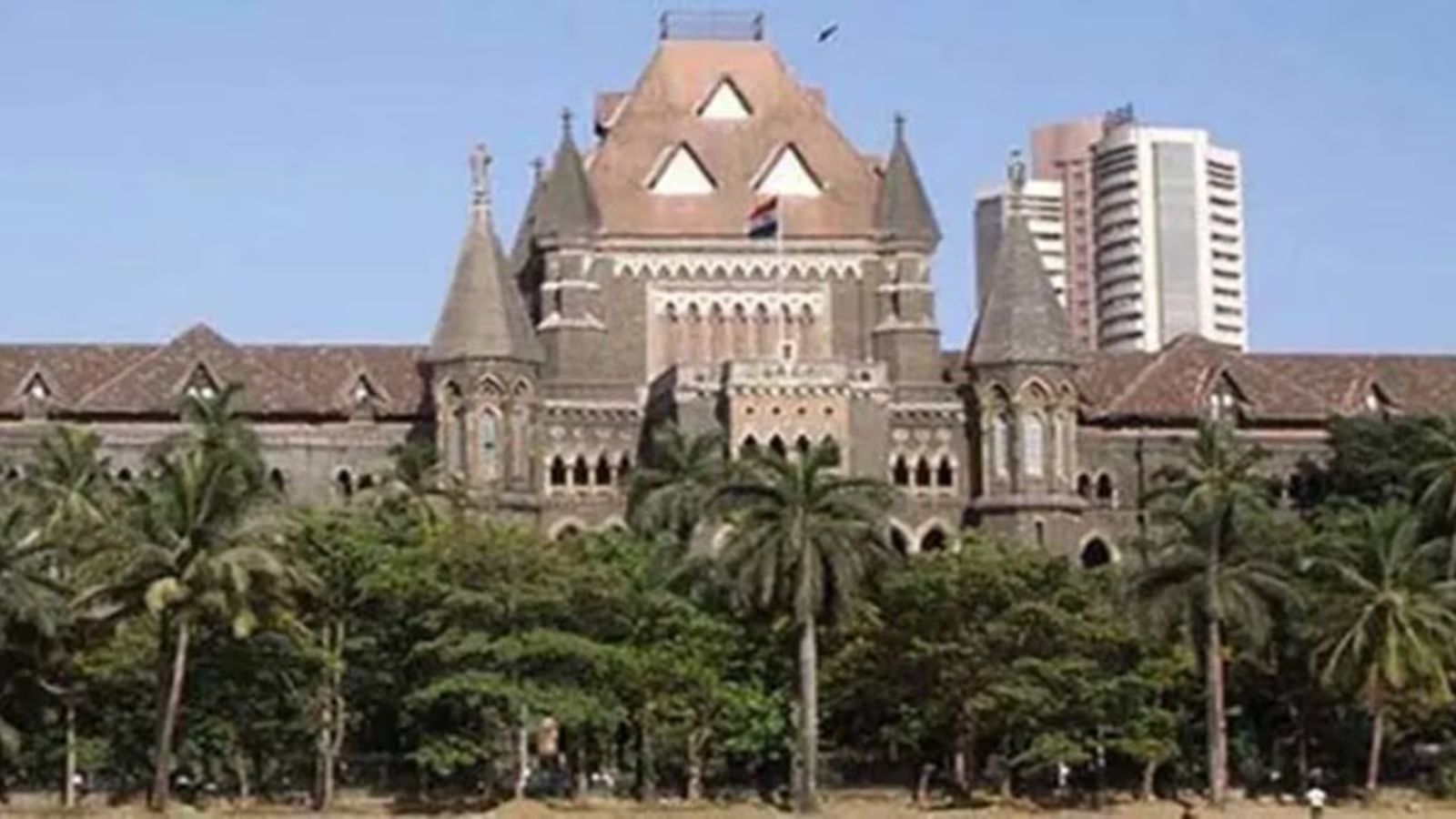
The Bombay High Court on Thursday dismissed petitions by cooperative housing societies challenging the redevelopment of two of Mumbai's largest Maharashtra Housing and Area Development Authority (MHADA) layouts at Bandra Reclamation and Adarsh Nagar (Worli), along with the tender process to appoint a construction and development agency.
A bench of Justices Makarand S Karnik and Shriram M Modak ruled, “We do not find any merit in these writ petitions and, recording the assurance on behalf of the respondents, these writ petitions, being devoid of any merit, are dismissed.”
The ruling clears the way for the redevelopment of a 34.33-acre plot at Adarsh Nagar in Worli and a 98.27-acre area at Bandra Reclamation, areas that have seen little development over the years. Adani Properties has emerged as the highest bidder for these two prime plots.
After the petitioners sought protection to approach the Supreme Court, the government's lawyer assured the court that no work order would be issued for four weeks.
In May, the High Court had refused to stay the process, observing that the redevelopment of 50-to-60-year-old buildings was necessary to improve residents' living standards. The court noted that “no prejudice would be caused to the petitioners if the tender process is allowed to proceed” and scheduled a final hearing given the project's magnitude.
The state government, through Government Resolutions (GRs) dated April 25 and December 15, 2025, framed a policy to undertake integrated or cluster redevelopment of MHADA layouts of 20 acres or more in Greater Mumbai and suburban areas. This policy allows redevelopment through a single private construction and development agency instead of multiple housing societies redeveloping their structures individually.
The court was informed that MHADA constructed 56 colonies between 1950 and 1960 for affordable housing for middle- and lower-income groups. These colonies now comprise 5,000 housing societies, some in dilapidated condition.
Senior advocate Zal Andhyarujina, representing the petitioner societies, argued that the GRs were in “complete breach” of Article 300A of the Constitution, which protects citizens from arbitrary deprivation of property by the state. He claimed the petitioners were “virtually being divested of their properties without following the due process of law.”
The petitioners contended they were being forced into cluster development, stripping them of independent redevelopment rights under the Development Control and Promotion Regulations (DCPR). They argued that residents of sea-facing buildings at Adarsh Nagar could be relocated elsewhere in the cluster, depriving them of their current location.
They also claimed the GRs forced merger of societies without due process, failed to protect existing rights and society funds, dispensed with individual flat owner consent, gave MHADA and the developer a free hand, and lacked public interest.
Opposing the pleas, Advocate General Milind Sathe argued for the state that the redevelopment was in the public interest and followed due process.







