BHASHINI CEO: Language tech is starting point for inclusive AI in India
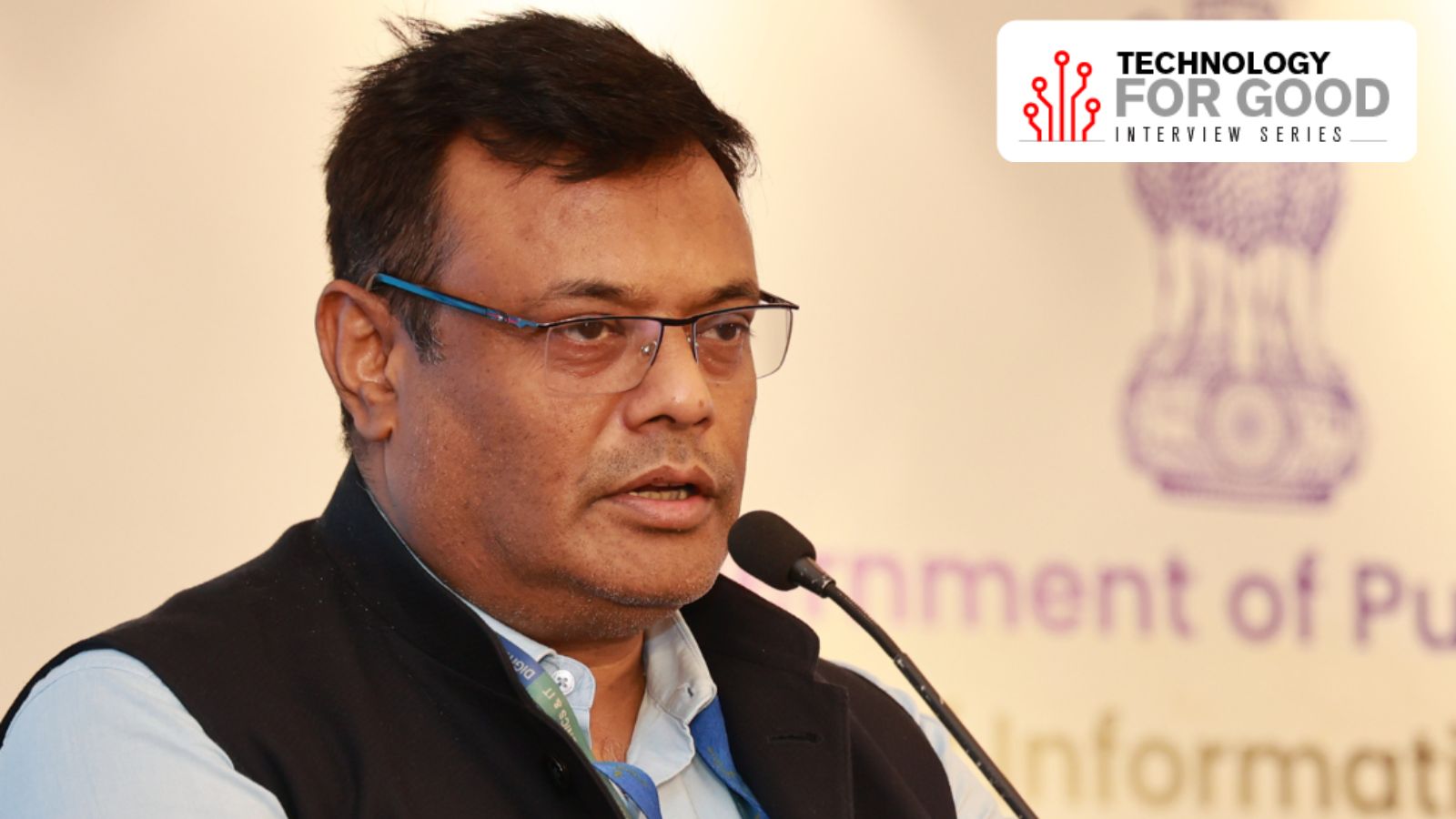
Amitabh Nag, CEO of the Digital India BHASHINI Division, said that language technology serves as a foundation for building inclusive artificial intelligence in India. BHASHINI, short for Bhasha Interface for India, is a multilingual AI initiative under the National Language Translation Mission (NLTM). It aims to transcend language barriers in governance and service delivery by developing indigenous language technologies.
Since its launch in 2022, BHASHINI has partnered with around 70 research institutes across India to co-create solutions locally. One major challenge has been the lack of sufficient digital data for Indian languages. To address this, the initiative collected data on the ground by asking people to speak about topics or pictures, creating a digital corpus—a method later adopted elsewhere globally.
The platform offers services such as automatic speech recognition, text-to-text translation, text-to-speech, optical character recognition, and named entity recognition across 22 languages and beyond. It also provides supporting services like automatic language detection and voice activity detection, with over 40 services currently available or under development.
BHASHINI has built a glossary of about three million contextually sensitive words relevant to India, with a target of 10 million. Since its launch in 2023, the platform has processed around eight billion inferences, with approximately 20 million inferences handled daily. Almost all Indian states use the platform across various government departments and services.
Nag emphasised that language technology is just one aspect; content, data, standards, community participation, education, and widespread adoption are also necessary to overcome language barriers. He noted that the biggest uptake of these services is expected in governance, where they have the most impact on people's lives.