Bengal Shifts to Direct Land Purchase to Avoid Past Conflicts Like Nandigram, Singur
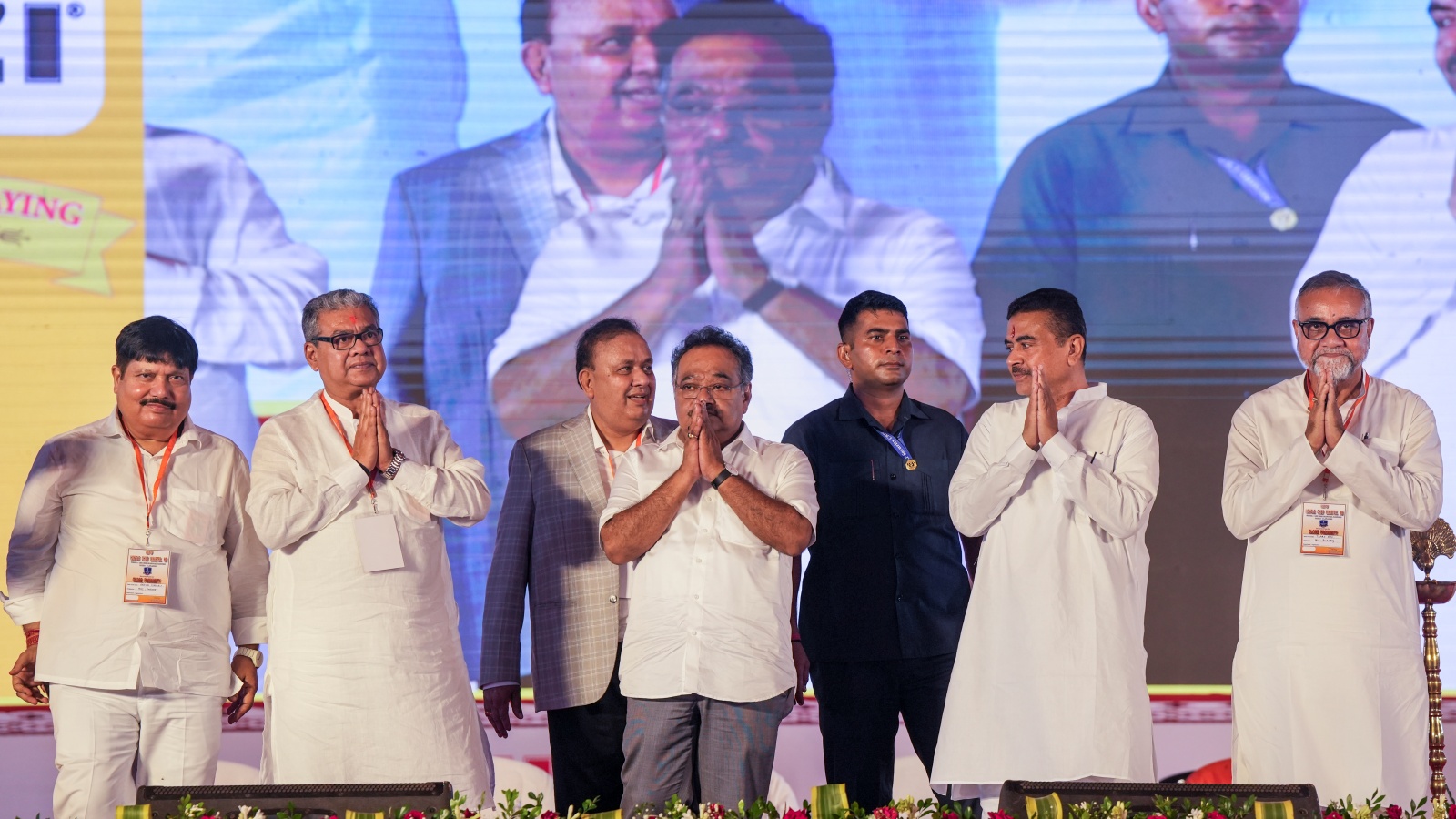
West Bengal leader Suvendu Adhikari announced on Saturday that the state government will adopt a direct land purchase policy for industrial projects, aiming to avoid the controversial land acquisitions that led to violent protests in Nandigram and Singur. Speaking at the foundation stone-laying ceremony of a Rs 600 crore facility of Lux Industry Ltd in Dankuni, Hooghly district, Adhikari said, “We do not want another Nandigram or Singur. If investors require land, the government will procure it under the Direct Land Purchase Policy and hand it over.”
Under this policy, the government purchases land directly from willing sellers at market rates, rather than using the Land Acquisition Act which allows compulsory acquisition for public purpose. Adhikari noted that the policy has already been used to acquire land for the Border Security Force, Railways, national highways, and a new airport. “Similarly, for private industrialists, land will not be a problem. We will completely change the land procurement policy,” he added.
The announcement comes as a response to the long history of land conflicts in West Bengal. In 2006, the Left Front government’s attempt to acquire farmland in Singur for a Tata Motors factory led to massive protests and eventually the project’s cancellation. Similarly, the proposed chemical hub in Nandigram in 2007 sparked violent clashes that resulted in several deaths and contributed to the Left Front’s electoral defeat in 2011.
Adhikari also announced a single-window clearance mechanism for investment proposals of Rs 100 crore and above, to streamline approvals and attract investment. “Land availability will no longer be a constraint for industries in the state,” he asserted.
The direct purchase policy is expected to provide a more consensual and transparent process, reducing the risk of disputes. However, critics have raised concerns about whether the government can effectively negotiate with multiple landowners and whether the policy will slow down industrial projects. The government has not yet released detailed guidelines on how the direct purchase will be implemented.
The Lux Industry Ltd facility, which will manufacture industrial components, is expected to create over 1,000 jobs in the region. Adhikari described it as a sign of growing investor confidence in the state.