Bastar's Longest-Serving Police Chief Departs After 14 Years of Anti-Maoist Operations
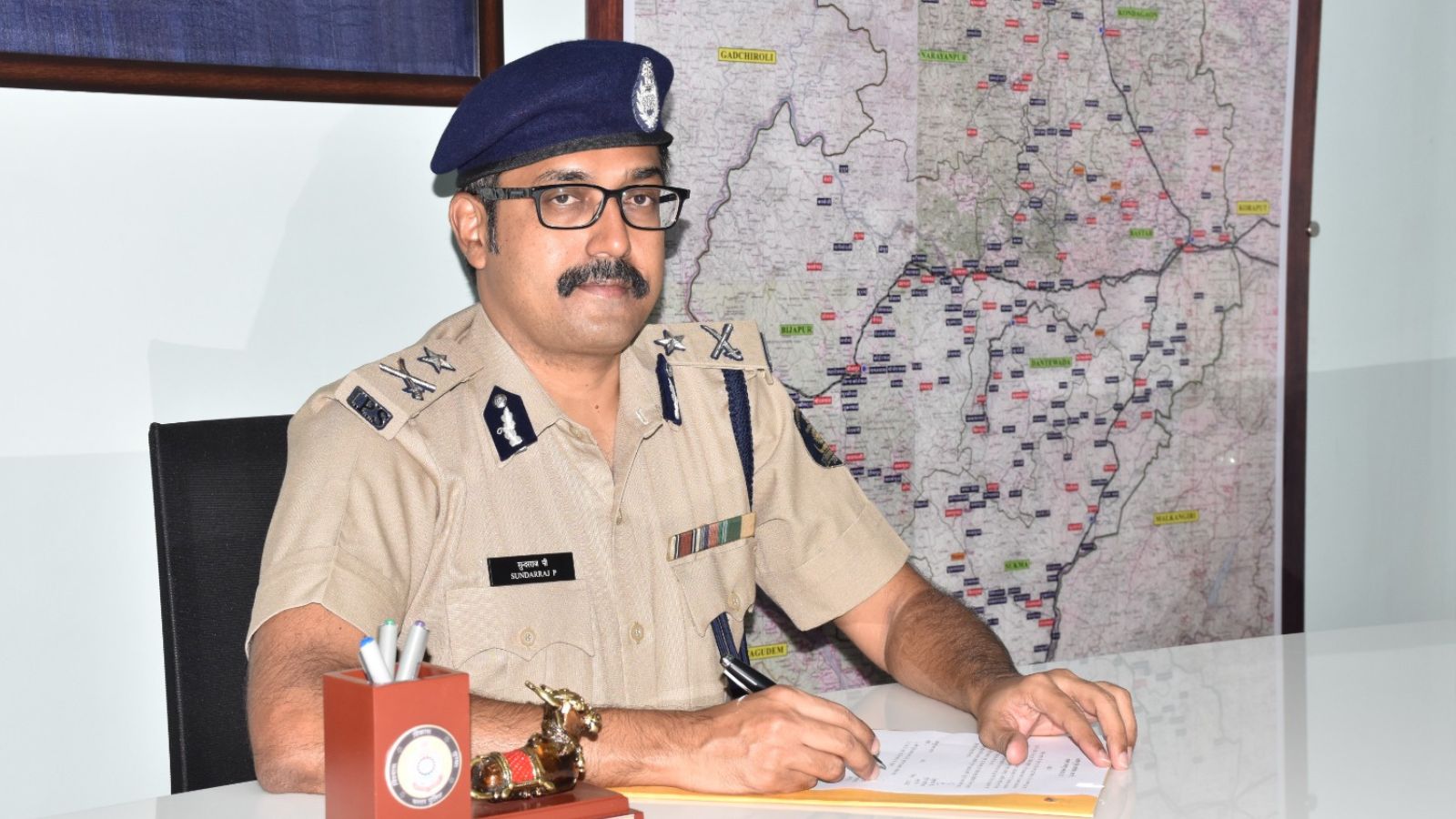
After 14 years of service in Bastar, one of India's most conflict-ridden regions, Inspector General of Police (IGP) Sundarraj Pattilingam is moving to the National Investigation Agency (NIA). The 46-year-old officer, who became the face of counter-insurgency operations in the region, leaves behind a Bastar that is now largely free of Left Wing Extremism (LWE).
Pattilingam, the longest-serving IGP of Chhattisgarh's Bastar range, reflected on his tenure, saying the experience fundamentally changed him. 'I learnt how to hide my emotions and accept the uncertainty of Bastar,' he said.
He was first posted to Bastar in 2005 as a young officer, when the Salwa Judum movement—an armed civilian initiative against Maoists—had just begun. Over four stints spanning 14 years, he witnessed the deaths of hundreds of security personnel. 'Bastar changed me in many ways. I have attended numerous final rites of our martyrs over the years, and each one remains deeply painful. There is no formula for dealing with such moments,' he recalled.
Pattilingam emphasized the importance of emotional regulation in leadership. 'Perhaps the most significant change was learning to regulate my emotions. Whether it was the loss of a colleague or a difficult operational setback, I learned to remain composed because hundreds of officers and jawans looked to their leadership for confidence and direction.'
Another key lesson was accepting unpredictability. 'In Bastar, no day was predictable. The phone could ring at any hour with information about an encounter, an IED blast, a surrender, or a civilian incident. Sometimes it brought encouraging news, sometimes heartbreaking. I learned that leadership demands emotional balance irrespective of circumstances.'
His tenure as IGP from 2019 onward witnessed some of the biggest anti-Maoist operations in the region. The killing of CPI (Maoist) general secretary Nambala Keshava Rao alias Basavaraju in May 2025 marked a significant turning point, along with the neutralisation of several Central Committee members. Pattilingam said he consciously discouraged celebrations after successful operations. 'Our objective was never revenge,' he said.
Asked about his biggest regret, he pointed to the loss of security personnel. 'The greatest pain remains the lives we lost during operations and thinking about their grieving families. While we continuously learned from every setback and refined our methods, the loss of even a single jawan weighs heavily on the conscience of every commander.'
Pattilingam credited his upbringing on a farm for shaping his outlook. 'Farming teaches humility and perseverance. There are years of abundant harvest and years of loss, despite putting in the same hard work. That perspective helped me cope with the emotional toll of losing personnel.'
His departure marks the end of an era in Bastar's counter-insurgency campaign. The region, once home to the country's top Maoist leadership, has seen a significant reduction in violence under his watch.







