Monsoon Session Concludes: Lok Sabha, Rajya Sabha Adjourned Sine Die Amid Disruptions
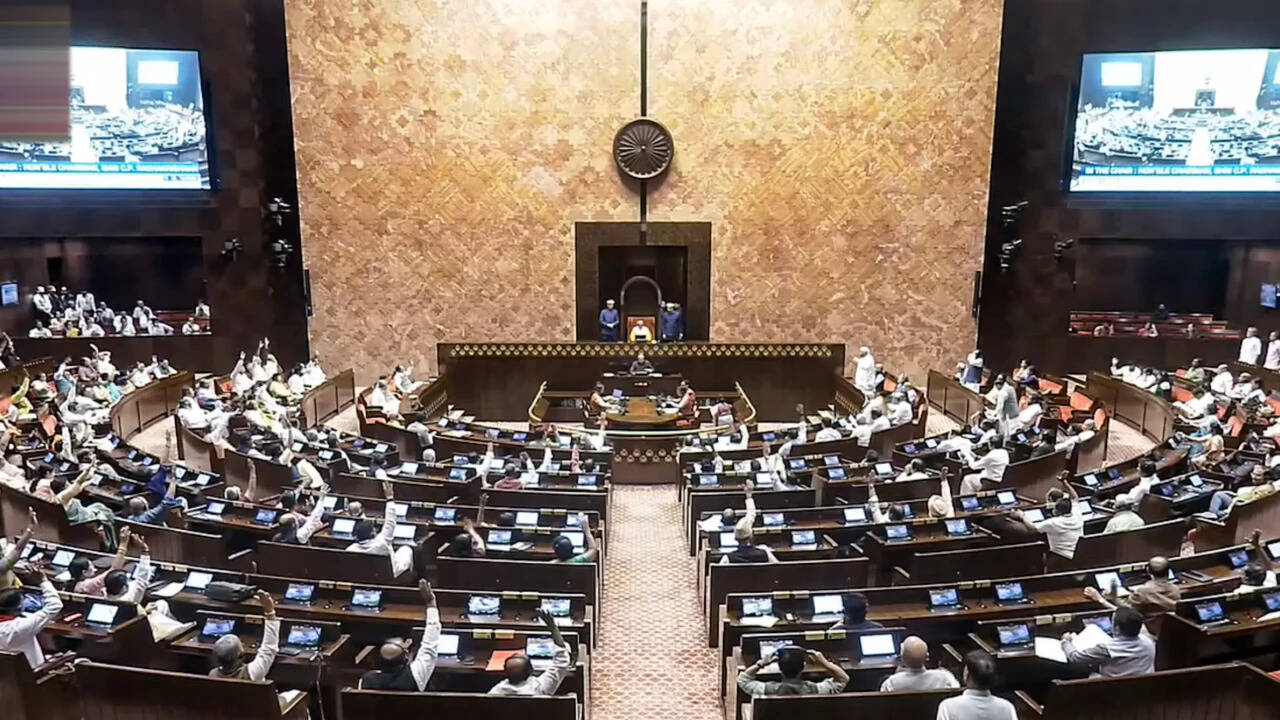
The Monsoon Session of Parliament concluded on Thursday with both the Lok Sabha and the Rajya Sabha being adjourned sine die, bringing an end to a session repeatedly disrupted by protests and walkouts. The adjournment came on the last scheduled day of the session, marking a premature or timely close depending on the political perspective, as several key legislative items remained pending.
The session, which began in July, was expected to witness significant legislative business, including debates on important bills and policy matters. However, from the outset, proceedings were marred by frequent adjournments, often within minutes of the Houses convening. Members from various parties raised issues ranging from price rise to alleged government lapses, leading to noisy protests and occasional suspensions.
Data from parliamentary records indicate that the productivity of both Houses remained notably low compared to previous sessions, with several sittings lost entirely to uproar. Despite the challenges, Parliament did manage to pass a handful of bills, including some related to the economy and governance. However, several crucial pieces of legislation, including those pending in standing committees, could not be taken up for discussion or passage.
The government maintained that it remained ready to discuss any issue under parliamentary rules and accused the Opposition of not allowing the House to function. The Opposition, on its part, insisted that the government failed to respond adequately to pressing concerns, forcing them to press their demands through protests. Both sides, however, expressed regret over the loss of productive time, a rare point of agreement.
Senior parliamentary observers have noted that the trend of dwindling productivity in recent sessions is worrying for democratic discourse. They argue that while disruptions are a part of parliamentary democracy, repeated paralysis undermines the institution's credibility. The public, they say, expects their representatives to debate laws and hold the executive accountable, rather than engage in theatrical standoffs.
As the House adjourned sine die, the Chairman of the Rajya Sabha and the Speaker of the Lok Sabha thanked members for their participation, albeit limited. The government is now expected to bring some of the pending ordinances or bills through alternative means, though that could further strain executive-legislative relations. The next session, likely the Winter Session, will now carry the backlog.
Political analysts point out that the disruptions were also a reflection of the larger political climate, with key state elections and national issues looming large. The monsoon session, often considered crucial for economic legislation, failed to deliver on several fronts. This has raised questions about the capacity of Parliament to fulfill its constitutional role effectively in an increasingly confrontational political environment.
Citizens and civil society groups have expressed disappointment over the performance of Parliament. Many took to social media to urge leaders to prioritise governance over posturing. The outcome of this session is likely to be a talking point in the coming months, especially as the government prepares to push forward its legislative agenda.
In sum, the Monsoon Session of Parliament concluded not with substantive achievements but with a sense of missed opportunity. Both the ruling side and the opposition have a responsibility to reflect on their conduct and work towards ensuring smoother proceedings in future sessions. As India faces complex challenges, the need for a well-functioning Parliament has never been greater.







