Bankipur Bypoll: Gen Z Voters Emerge as Decisive Force in BJP's Prestige Battle
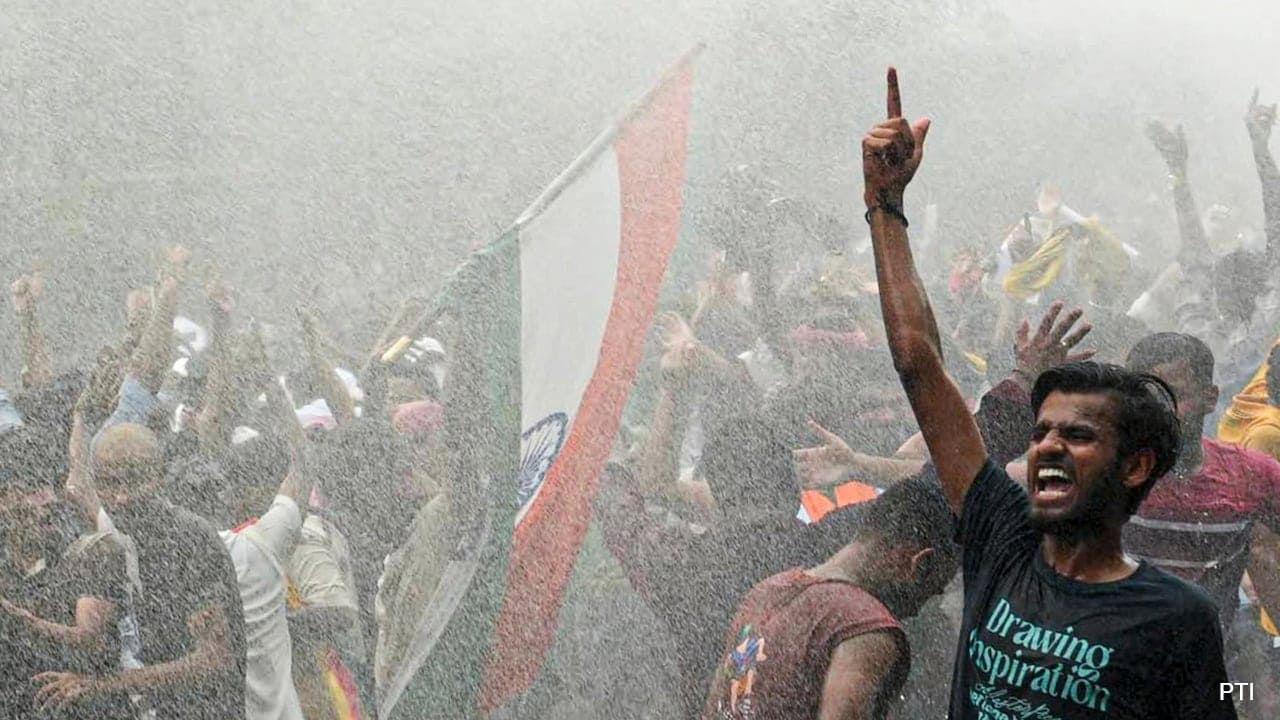
The upcoming bypoll for the Bankipur Assembly seat in Patna has transformed into a high-stakes contest. What began as a routine election to fill a vacant seat is now being shaped by student protests and a focus on young voters. The bypoll is seen as a prestige battle for the Bharatiya Janata Party (BJP), a test of political strategist Prashant Kishor's electoral appeal, and a barometer of Bihar's Gen Z electorate.
Bankipur has long been a BJP stronghold, with Nitin Nabin winning the seat multiple times. The seat fell vacant after Nabin became the BJP's national president and moved to the Rajya Sabha. This makes the bypoll significant for the party, which holds power both at the Centre and in the state. The contest has become more interesting with Prashant Kishor, founder of the Suraaj party, entering the fray himself.
A striking feature of the Bankipur constituency is its young electorate. The area is home to numerous colleges, universities, coaching institutes, and hostels. Institutions such as Patna University, NIT Patna, BN College, Science College, AN College, Chanakya National Law University, and several major coaching centres draw thousands of students every year. Of the total 3.79 lakh voters, about 1.2 to 1.35 lakh—or roughly one-third—fall within the 18–29 age group. This demographic has become politically active following recent student protests over employment, education, and competitive examinations. Instances of police action during these protests drew attention on social media, bringing issues of education and employment to the centre of the election debate.
Political analysts believe that all parties will attempt to capitalise on these issues, especially Prashant Kishor, who has consistently raised them. However, historical voting patterns in Bihar suggest that protests do not automatically translate into votes.
The BJP is campaigning on its development record, strong organisational structure, and established vote bank. The party's greatest strength lies in its robust network that extends down to the booth level. Bankipur has a significant presence of the trading community, the middle class, and long-time BJP supporters. The party aims to focus the election on development, organisational strength, and stable leadership.
In contrast, young voters are distinct from traditional voters. They are highly active on social media, hold strong opinions on emerging issues, and show no loyalty to a single party. Gen Z is not considered a guaranteed vote bank for any party, and their stance could shift during the election.
The recent protests over the NEET paper leak subsided after the resignation of Education Minister Dharmendra Pradhan and several government assurances. Protesters in Delhi withdrew from Jantar Mantar. The critical question now is whether the resentment from these movements will persist until polling day or if the election will revert to traditional political equations. All eyes are on young voters: their turnout and whether traditional vote banks remain dominant will be crucial factors.