Bangladesh's Jamaat-e-Islami Intensifies Budget Protest Amid Political Tensions
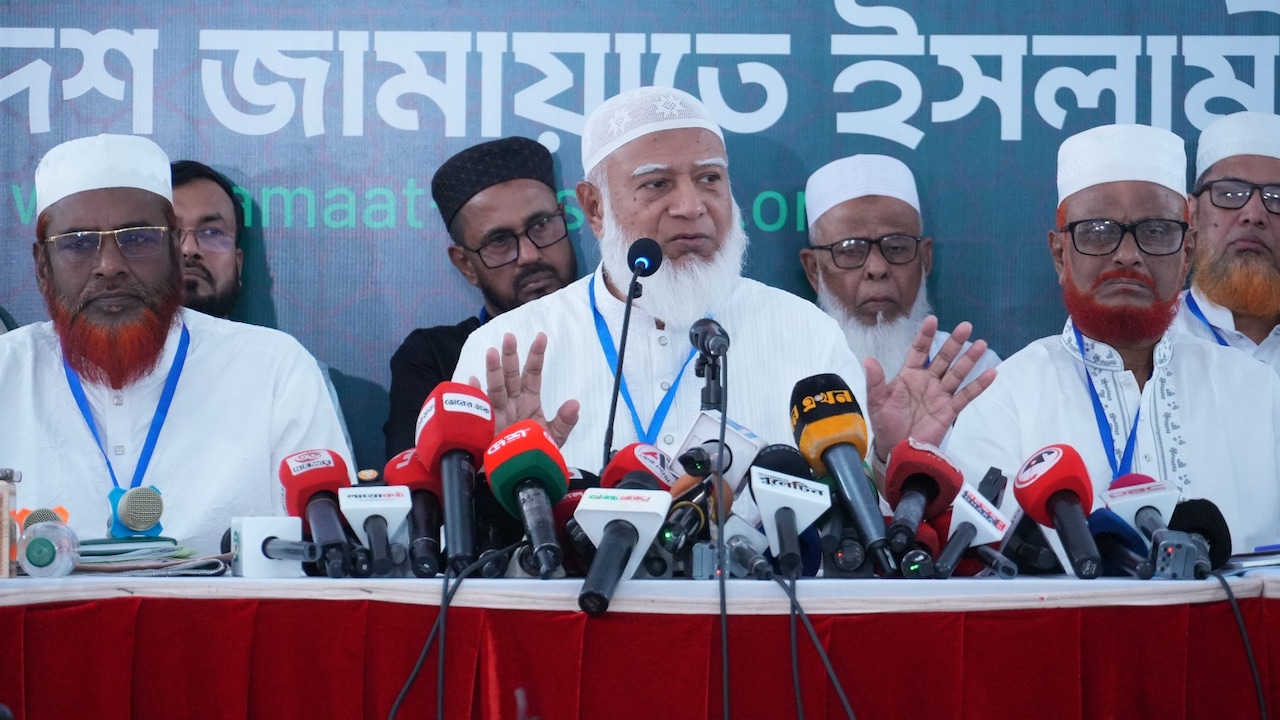
Bangladesh's opposition party, Jamaat-e-Islami, has intensified its criticism of the proposed national budget for the fiscal year 2025-26, terming it "anti-people" and accusing the government of Prime Minister Sheikh Hasina of favouring the wealthy while burdening ordinary citizens. The party also described the revenue targets as unrealistic, warned of rising inflation due to higher operational spending, and demanded greater transparency, accountability, and a more people-centric fiscal policy.
Jamaat-e-Islami's role in Bangladeshi politics has been shaped by its alliance with the Bangladesh Nationalist Party (BNP). Following the 2001 parliamentary elections, the BNP-led four-party alliance came to power, and Jamaat entered government for the first time since the restoration of democracy. Despite having only 17 MPs in the 300-member Jatiya Sangsad, Jamaat secured two key ministries: Agriculture and Social Welfare. This coalition marked a milestone for Jamaat, which wielded ideological influence beyond its numerical strength.
Between 2001 and 2006, Jamaat's legislative impact was limited due to the BNP's majority. However, analysts note that the party's influence depended on coalition politics and mobilising supporters. It shaped the alliance's stance on ideologically sensitive issues such as secularism, the constitutional status of Islam, and minority protections. Any vote on these matters was contingent on Jamaat's support for the government.
In August 2013, the Bangladesh High Court revoked Jamaat's electoral registration, ruling that the party's constitution conflicted with the country's constitution. The Supreme Court later reinstated the registration, but the party's ideological base remained unchanged.
After the Awami League returned to power in 2009, it established the International Crimes Tribunal to try senior Jamaat leaders accused of atrocities during the 1971 Liberation War. The tribunal's verdicts triggered widespread protests by Jamaat, leading to significant political turmoil. The Centre for Policy Dialogue estimated economic losses of billions of takas, and over 500 people were killed in political violence in that year, marking one of the bloodiest episodes in Bangladesh's history. This demonstrated Jamaat's ability to mobilise not only within parliament but also on the streets.
The BNP-Jamaat relationship has continuously influenced parliamentary politics. While the BNP occasionally distanced itself from Jamaat to improve electoral prospects, it relied on Jamaat as a crucial ally. This dynamic complicated consensus-building on issues like secularism and minority rights, often spilling beyond parliament into nationwide mobilisation.
Historically, Jamaat's best parliamentary performance was in the 2001 elections, when it won 17 seats. The party's participation in the 2024 elections, boycotted by the Awami League, saw it contest as part of a BNP-led alliance, though exact seat numbers remain subject to verification.