Autonomous Systems Reshape Modern Warfare: India's Strategic Response
The integration of artificial intelligence, autonomous systems, and algorithmic processes is transforming modern military operations. These technologies are enhancing precision and speed in combat, with potential implications for global security. Strategic establishments worldwide, including India, are reassessing their defence frameworks in light of these developments.
Unmanned aerial vehicles, commonly known as drones, have emerged as a significant technological shift comparable to the advent of gunpowder and nuclear weapons. Their combination with AI enables rapid data fusion and decision-making. In the Russia-Ukraine conflict, Ukraine employs an AI platform called Delta, which aggregates data from radar, social media, and other sources. This system integrates with drones to create a 'kill web,' reducing detection-to-neutralisation time to minutes. Reports indicate that in a 35-kilometre corridor along the frontier, traditional artillery and armoured units are less effective, with surveillance and attack drones altering battlefield dynamics.
Ukraine plans to procure eight million drones in 2024, a number exceeding its artillery usage from the previous year. These platforms provide capabilities from close air support to long-range strategic strikes. Elsewhere, reports suggest that during operations in Venezuela, US forces used AI tools like Anthropic's Claude to analyse movements of former president Nicolás Maduro, synchronising cyber and electronic attacks with special forces operations. In a separate incident in Iran, targeting systems operating at machine speed were reportedly used to eliminate senior leadership in a matter of minutes.
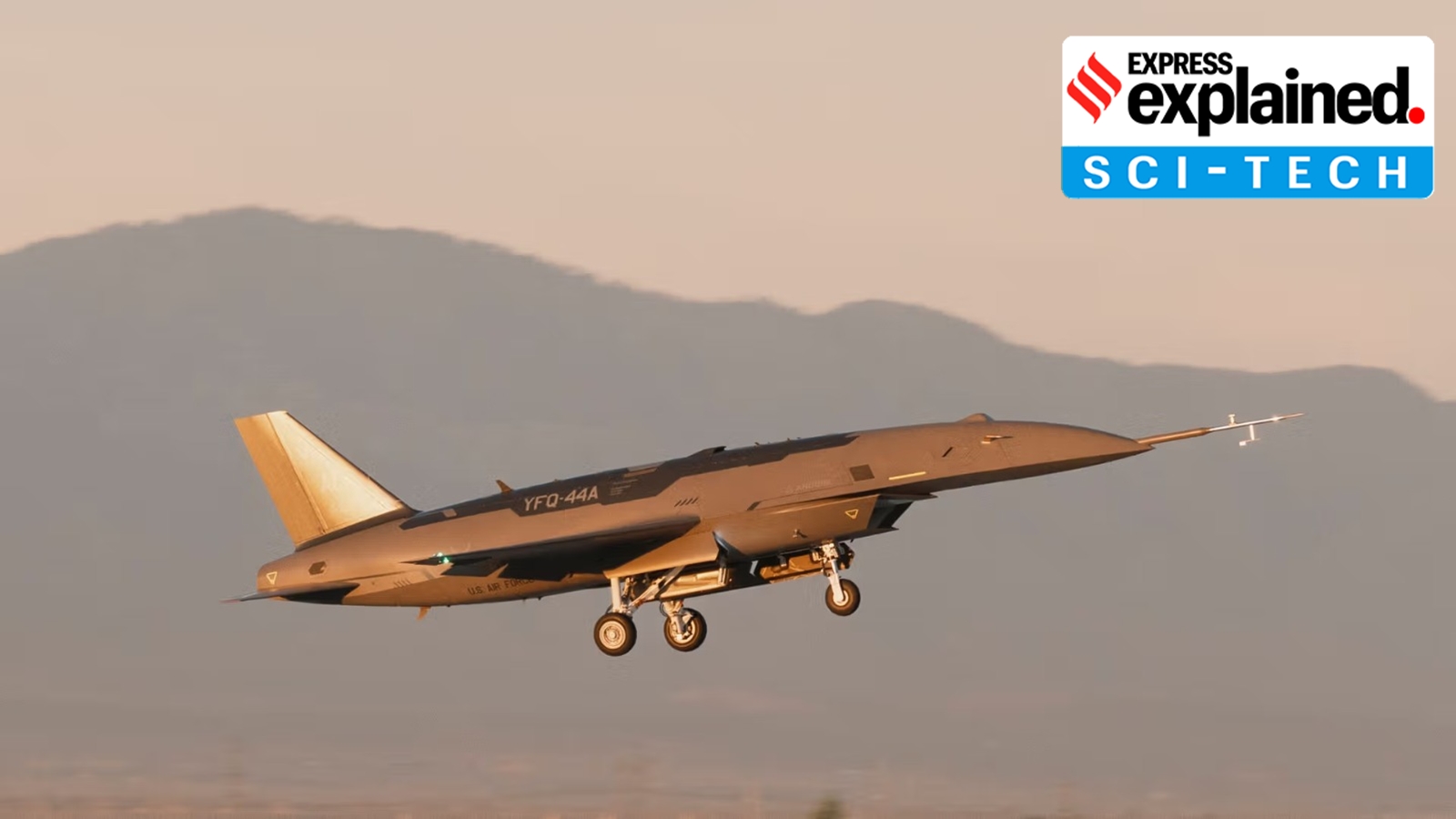
The trend towards autonomy is accelerating. Naval vessels may soon be commanded by autonomous software rather than human crews. The development of the YFQ-44A Fury, an AI-powered fighter jet by startup Anduril, indicates a shift towards collaborative human-machine air combat. The defence industry is seeing a move from traditional primes to agile technology startups.
New lethal technologies include 'Mythos,' described as a virtual cyber-weapon capable of disabling adversary systems. Additionally, Chinese advancements in AI and semiconductor technology, such as DeepSeek and Huawei's aim to achieve 1.4 nanometre transistor density by 2031, are intensifying strategic competition. In combat zones, software updates occur every three weeks, and new hardware is deployed every three months. This rapid pace suggests that defence ministries must evolve from platform-centric organisations to software-focused entities.
For India, the path forward involves developing sovereign capabilities in AI, autonomy, and algorithmic warfare. Key steps include creating an AI-enabled data analytics platform for real-time intelligence, fostering partnerships with domestic tech startups, and updating procurement processes to keep pace with technological change. Ensuring ethical and legal frameworks govern these technologies is also crucial. As these innovations reshape warfare, India's strategic choices will be vital for maintaining national security and deterrence.