Auto body SIAM withdraws fuel contamination letter, cites need for more data
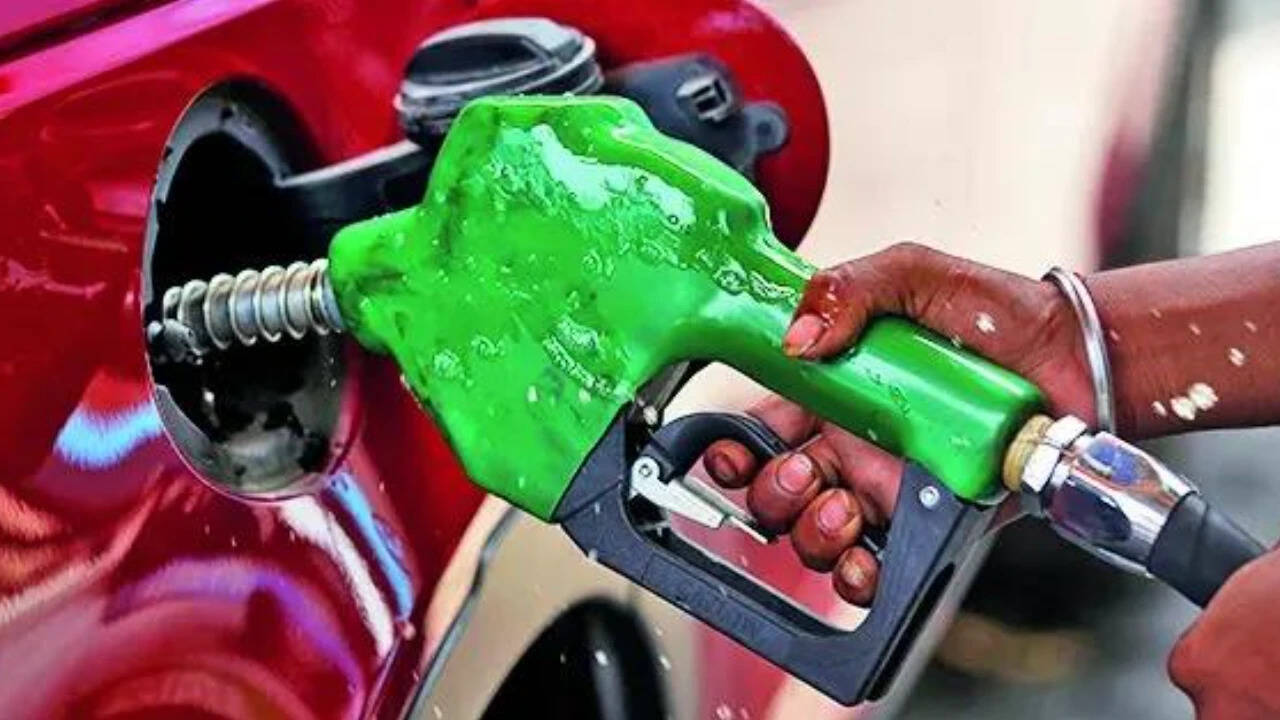
NEW DELHI: The Society of Indian Automobile Manufacturers (SIAM) has withdrawn a letter sent to the petroleum ministry that raised concerns over high chloride and moisture content in fuel, which it said was causing corrosion and damage to vehicle parts.
The industry body had written to the ministry on July 28, flagging a “huge increase” in issues related to fuel pumps, fuel injectors and EGR valves, attributing these to “corrosion or wear caused by high chloride presence traced to the fuel used”. SIAM had urged the government to include a chloride parameter in E20 fuel specifications and implement quality control by oil marketing companies and retail outlets.
In a clarification late Tuesday, SIAM said it has “withdrawn” the letter, explaining that the concerns were based on investigations of failed vehicle parts, but that “some numbers quoted in the communication need authentication through collection of elaborate data from various regions across the country followed by a comprehensive consultation with our member OEMs”.
SIAM also acknowledged that the Ministry of Petroleum and Natural Gas (MoPNG) has instituted a 3ppm guideline for chloride and sulphur as a precautionary measure for ethanol being blended into the petrol supply chain. “All of these steps fully meet the needs of the automobile industry,” the statement said.
Further, SIAM said it understands from oil marketing companies (OMCs) that checks have been instituted, including water ingress testing about 8-12 times a day at over 87,000 outlets across the country.
The original letter had warned that chloride was “highly detrimental” to engine parts, as its accumulation in the fuel system could lead to corrosion and “permanent damage” to engine parts immediately or over time. “Hence, it is imperative to include the chloride limits in fuel specifications and implement quality control to avoid chloride related failures in the customer vehicles,” the letter had noted.
E20 fuel, which contains 20% ethanol blended with petrol, is part of India’s push to promote cleaner fuels and reduce dependence on fossil fuels. However, concerns over fuel quality have periodically surfaced, with industry bodies and consumers reporting issues. The retraction by SIAM indicates that the alleged data may not have been fully verified, and the matter will likely require further study.
The withdrawal comes amidst heightened scrutiny of fuel standards and vehicle performance, as the government pushes for stricter emission norms and higher ethanol blending. While SIAM’s initial statement raised alarms, its subsequent clarification seeks to reassure that existing checks and guidelines are adequate.
Neither the petroleum ministry nor OMCs have issued a formal response to the SIAM letter or its withdrawal. Observers say the incident underscores the need for transparent data sharing between industry and regulators to avoid confusion and maintain consumer trust in fuel quality.