Apologise or exit INDIA bloc: NCP to Congress over 'gungi gudiya' remark

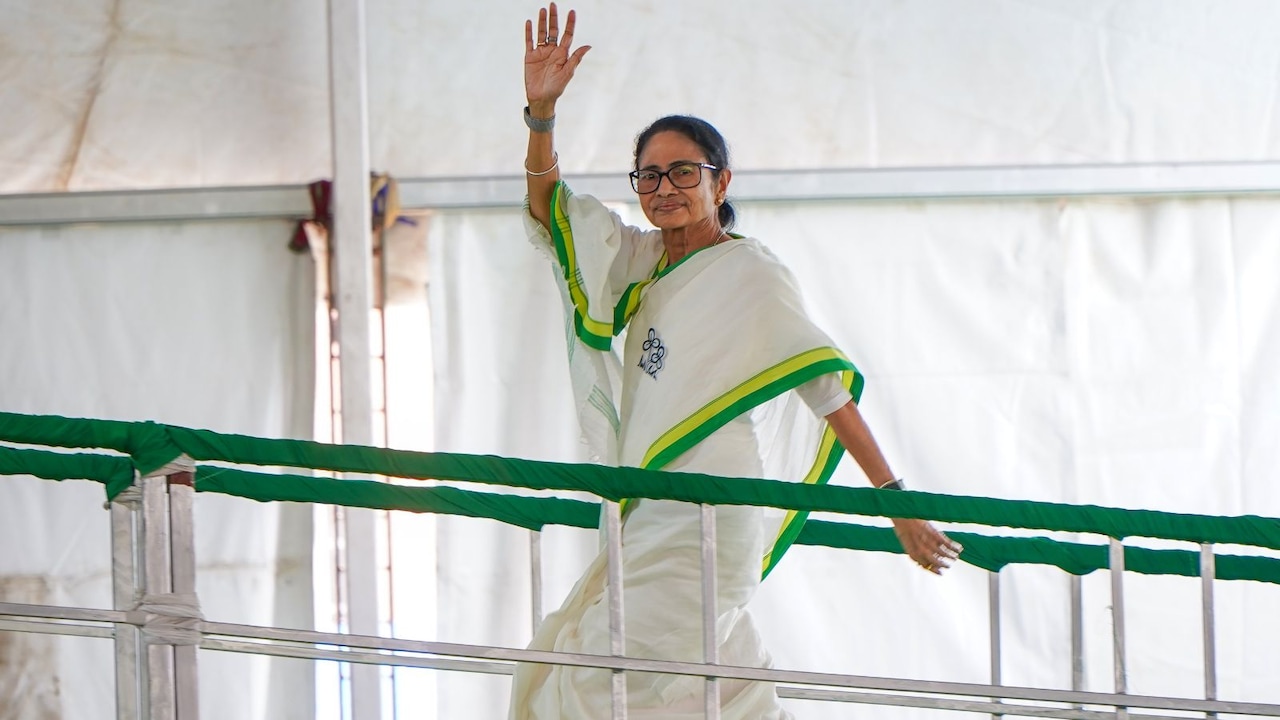
The Nationalist Congress Party (NCP) on Tuesday demanded that the Indian National Congress apologise for calling its national president and Maharashtra Deputy Chief Minister Sunetra Pawar a “gungi gudiya” (dumb doll), or face the party’s exit from the INDIA bloc. Several NCP leaders issued the demand in response to a Congress social media post that used the phrase while sharing a video of a press conference in Beed.
The controversy began after the Congress posted a video of Sunetra Pawar’s press conference as guardian minister of Beed. In the clip, a journalist’s question on the deteriorating law and order in the district is allegedly stopped midway. Pawar is seen getting up and walking away while NCP leader Dhananjay Munde intervenes. Munde has been seeking to regain his ministerial berth in the Maharashtra Cabinet after losing it following the arrest of his close aide in the murder case of village sarpanch Santosh Deshmukh.
Sharing the video, the Congress asked on its social media handle, “For how days will Sunetra Pawar continue to remain a ‘gungi gudiya’ or a ‘dumb doll’?”
NCP leader Suraj Chavan called the Congress leadership “cheap” over its comment. “The Congress has a tradition of civilised political ideology. The current Congress has drifted away from its ideology and the people. A woman’s respect must be shown not just through speeches, but through thoughts. From the following post, the Congress’ mental state becomes evident,” he said.
NCP Maharashtra vice-president Udaykumar Aher said the national party had insulted not just Sunetra Pawar, but the entire Pawar family. “Sharad Pawar saaheb should force the Congress to publicly apologise to Sunetra vahini. Otherwise he should exit the INDIA bloc,” he said. Expressing anguish, he added that the remark insulted the people of Baramati, who elected Pawar with a record-breaking majority in the Assembly elections, and by extension the entire Pawar family. He noted that Pawar had consistently strengthened her political position with measured words and maintained silence at appropriate moments, and that her courage was witnessed by the nation.
NCP leader Umesh Patil said that while political criticism is healthy in a democracy, it should not demean women. Asking the Congress to withdraw its comment, he said, “Democracy allows differences of opinion and even sharp criticism of policies. However, language that demeans women does not befit any political party.”
Patil drew parallels with criticism directed at former Prime Minister Indira Gandhi years ago. He said Gandhi had proved her mettle through decisive actions, and questioned why the Congress was now using against a woman public representative the very expression it had once regarded as unfair and insulting to a woman. “Does this mean the Congress is now indirectly admitting that the criticism levelled against the late Indira Gandhi at the time was justified?” he asked.
Patil stressed that the issue went beyond party politics and concerned the standards of political discourse relating to women in public life. The remark has triggered a broader debate on the language used in political criticism, with the NCP asserting that personal attacks of this nature have no place in democratic debate.