Ambedkar's 1949 Battle Over Assam Citizenship Echoes in Today's Supreme Court Ruling
The Supreme Court on Monday held that the determination of citizenship status must be carried out through a fair, lawful and reasonable process, sending 27 cases back for adjudication before foreigners' tribunals in Assam. The ruling revives a debate that dates back to the framing of the Constitution, when B.R. Ambedkar grappled with Assam's unique concerns over migration.
In August 1949, the Constituent Assembly confronted the question of defining Indian citizenship while a newly independent India struggled with millions of migrants following the partition of Punjab. While much of the debate centred on refugees arriving in north and west India, Assam's concerns over migration also found their way into the Assembly, prompting a detailed response from Ambedkar, who defended safeguards built into the draft provisions.
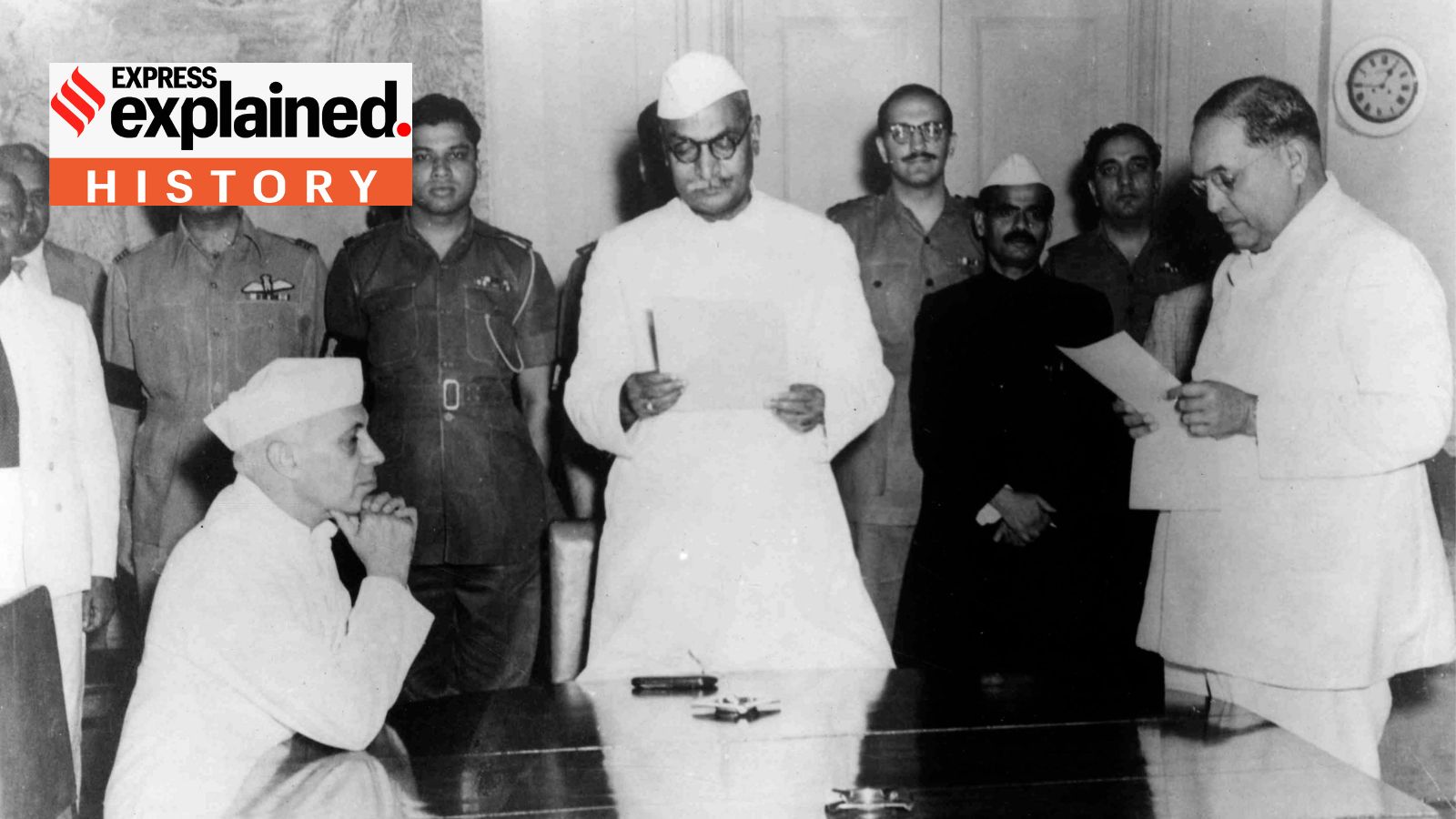
Calling the nearly 140 amendments a veritable jungle, then-President Rajendra Prasad asked Ambedkar to take up Articles 5 and 6 of the original draft, which pertain to citizenship rights. Ambedkar stated that the question central to Article 5 had caused the Drafting Committee a headache like no other. 'I do not know how many drafts were prepared and how many were destroyed as being inadequate to cover all the cases which it was thought necessary and desirable to cover,' he said.
Article 5 defined who would be an Indian citizen at the commencement of the Constitution: a person born in India, either of whose parents was born in India, or those ordinarily resident in India for at least five years immediately preceding the commencement, provided they had not voluntarily acquired citizenship of any foreign state. Article 5A laid out separate provisions for migrants from Pakistan, granting citizenship to those who arrived before July 19, 1948, if they or their parents or grandparents had been born in pre-Partition India and they had ordinarily resided in India since migration. Those who came after this date were required to register for citizenship after six months' residence.
Article 5AA excluded those who had migrated from India to Pakistan after March 1, 1947, unless they returned under a permit for permanent resettlement. Article 6 left it to Parliament to enact a permanent citizenship law.
Ambedkar faced questions from several prominent members, notably Rohini Kumar Chaudhuri from Assam. Chaudhuri sought citizenship rights for those who had come from East Bengal because they found things impossible for them there. He asked whether it was possible to imagine that there was no fear of disturbance in the winds of these East Bengal people. Ambedkar's response emphasised the need for safeguards while recognising the hardships of migrants.
The current Supreme Court ruling, by mandating fair processes, echoes the foundational debates on citizenship that Ambedkar navigated. The Court's decision underscores the enduring relevance of the constitutional framework crafted in 1949, balancing India's humanitarian obligations with national security concerns.







