Air India raises pilot pay by up to 15% as it expands fleet, restores routes
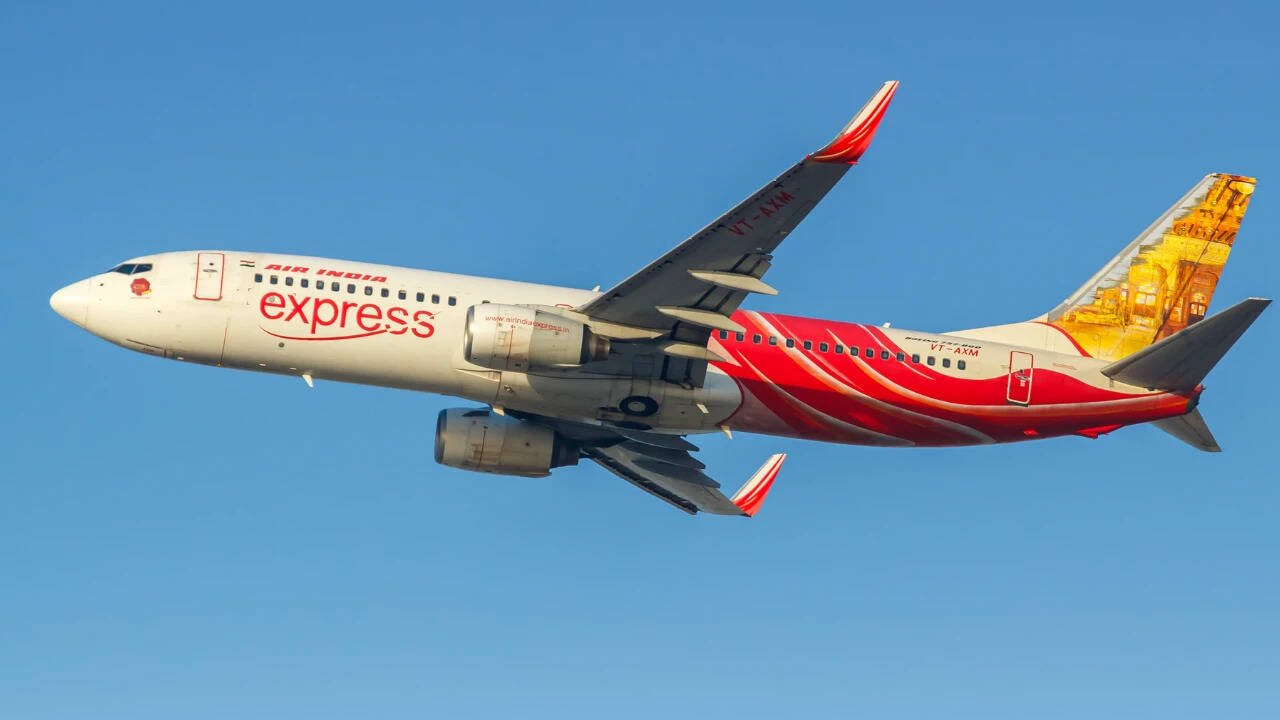
NEW DELHI: Air India on Friday announced a salary hike of 8% to 15% for its pilots, with commanders receiving the largest increases. The revision, effective immediately, is part of the airline's broader strategy to address pilot shortages, expand operations, and align compensation with industry standards.
Under the new structure, a senior commander flying 55 hours a month will earn Rs 8.3 lakh, up from Rs 7.5 lakh, while a first officer's monthly pay will rise to Rs 3.3 lakh from just over Rs 3 lakh. The airline said the increases are designed to reward productivity and remain competitive in a tight talent market.
The pay revision follows Air India's decision to restore international flights that were curtailed after the West Asia crisis. The airline expects to return to pre-crisis levels of January-February by next month. The closure of Pakistan airspace has forced longer routes, increasing flying hours and the need for more pilots to maintain schedules.
Air India has historically offered guaranteed pay for 40 flying hours, meaning pilots receive a minimum salary for that number of hours regardless of actual flying, with additional pay for hours beyond that. In contrast, low-cost carrier IndiGo provides fixed pay for 70 hours. Under the revised framework, Air India will retain the 40-hour guarantee but has enhanced the flying allowance rates for hours flown beyond this threshold, bringing compensation closer to industry benchmarks.
The airline also introduced changes to leave policy. Privilege leave has been reduced from 30 days to 24 days, but weekly offs will no longer be counted as leave, which the airline says will give pilots more flexibility in planning their time off.
Since the Tata Group took over Air India and its subsidiary Air India Express in January 2022, the combined fleet has grown from around 100 aircraft to 300. To support this expansion, the airline is streamlining career progression. Air India Express, which operates single-aisle aircraft, will now serve as the primary pathway for command upgrades. Pilots who gain command experience on the Boeing 737 fleet there can then progress to Air India's wide-body aircraft, which offer higher pay and greater operational scope.
The move is intended to make Air India Express more attractive to pilots and to address a shortage on the B737 fleet. The airline is also offering a fleet allowance to pilots supporting this aircraft type.
Industry analysts note that the pay hike and structural changes signal Air India's aggressive push to strengthen its pilot workforce as it scales up operations and competes with both full-service and low-cost carriers. The airline has been investing heavily in fleet modernisation and network expansion under Tata Group's ownership, with a significant order for new aircraft and plans to expand both domestic and international routes.
While the salary increase is welcome news for pilots, the airline must balance cost pressures with its growth ambitions. The reduction in privilege leave may be a point of contention, though the exclusion of weekly offs from leave calculations could offset some concerns. Air India said the revised framework reflects a long-term commitment to creating a sustainable and rewarding career structure for its flying crew.