Tharoor: No Impact on India-US Ties; Flags Minority, Indian-Origin Gains
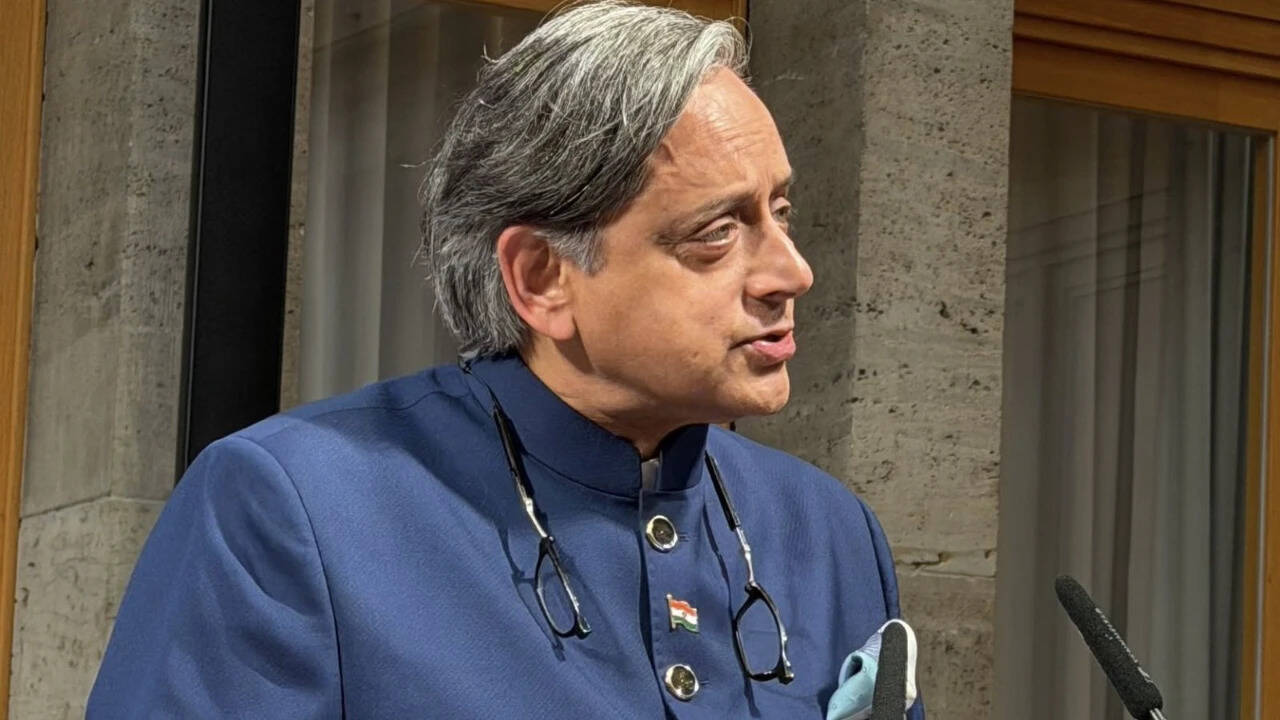
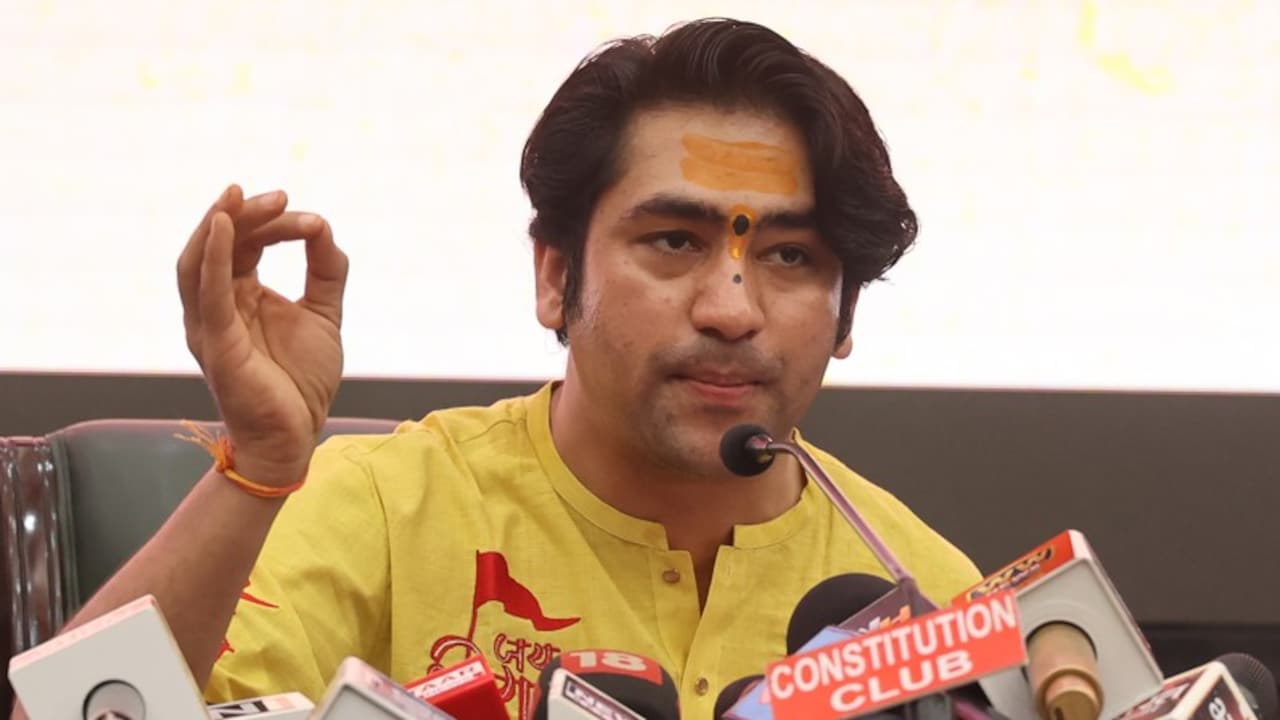
Senior Congress leader and former Union minister Shashi Tharoor has said that the India-United States relationship has not been affected by US President Donald Trump’s continued authority over tariffs or by developments related to Iran. In remarks reported in a brief account, Mr Tharoor also highlighted gains made by candidates from minority communities and by people of Indian origin.
Mr Tharoor, the MP from Thiruvananthapuram and a former diplomat, is a frequent commentator on foreign policy and domestic politics. The report did not provide the full text or the venue of his remarks, and it did not name the elections or candidates he was referring to. His assessment was presented as a view that differences over trade measures and West Asia need not be read as a rupture in India-US ties.
The reference to tariffs is significant because the US is one of India’s largest trading partners. Tariffs are taxes on imported goods, and they can affect exporters, manufacturers, consumers and supply chains. In the US, presidents have used trade laws to impose tariffs, while the extent of executive authority over commerce has often been debated. Mr Tharoor’s reported comment suggests that Trump’s role in tariff decisions should not be treated as a threat to the overall partnership.
On Iran, India has longstanding interests in West Asia. These include energy security, maritime safety, the welfare of a large Indian diaspora and connectivity projects. New Delhi has generally sought to balance its relationships in the region with its strategic partnership with Washington. The reported remarks place Iran-related developments in this wider context rather than presenting them as an automatic source of India-US friction.
The second part of Mr Tharoor’s remarks focused on representation. He highlighted the gains made by candidates from minority communities and people of Indian origin. In India, the term “minority communities” generally refers to religious and linguistic minorities recognised under law. “People of Indian origin” is a broad term for persons of Indian ancestry living abroad, including in the US, Britain, Canada and other countries. Their political representation has drawn attention in several democracies.
The report did not specify whether Mr Tharoor was referring to elections in India, in the US or elsewhere. It also did not identify the candidates or the offices they won. Because of this, the remarks can be read as a general observation on representation rather than a detailed electoral analysis.
The India-US relationship covers trade, defence, technology, education, health and people-to-people links. It has seen disagreements over tariffs, visas and specific policies, but both sides have generally described the partnership as important. The Indian diaspora in the US is also a significant bridge between the two countries, contributing to business, academia, science and public life.
For readers, the key point is that Mr Tharoor has argued for a measured reading of India-US ties. In his reported view, tariff powers and Iran-related tensions do not amount to a breakdown. At the same time, the limited account of his remarks leaves important details unclear, including the specific candidates and elections he mentioned.