Iran Sends Nuclear Proposal via Qatar With Seven Conditions as Trump Repeats 'Destroy' Threat
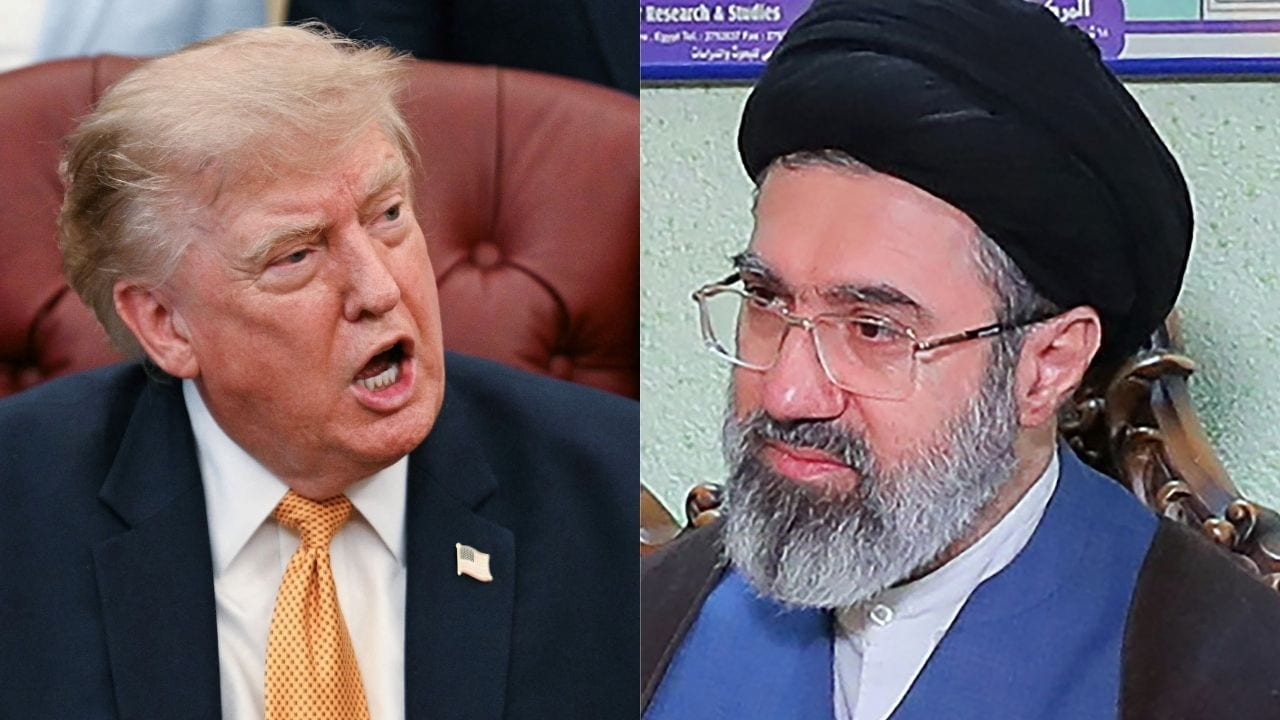
Iran has sent a nuclear proposal to the United States through Qatar, according to Reuters, which quoted a senior Iranian official. The offer would be discussed only after Washington meets seven conditions set by Tehran, the official said, speaking on condition of anonymity. The same official said Washington was reviewing the proposal but declined to give further details.
The reported proposal comes days after US President Donald Trump repeated a threat to "destroy" the remainder of the Islamic Republic, remarks that have added to already heightened tensions between the two countries.
Iran's top security official, Mohsen Rezaei, said earlier this week that Tehran had conveyed seven conditions to the Americans. "As long as they do not execute our seven conditions, we will neither open the Strait of Hormuz nor have negotiations," he was quoted as saying.
The seven conditions
No official list of Iran's conditions has been made public. A report in Khaleej Times said Tehran's demands likely include a complete end to hostilities, including in Lebanon; the lifting of a US naval blockade on Iranian ports; the removal of sanctions on Iran; the release of Iranian frozen assets; a reduction of the US military presence in the region; compensation for war-related damage; and an end to US attacks on Iranian territory.
These points have not been confirmed by either government, and readers should treat the reported list as unverified until Tehran publishes it formally. The United States, for its part, has said that nuclear issues must be part of any initial negotiations — a position that sits uneasily with an Iranian proposal that appears to place nuclear questions behind a set of prior conditions.
Background to the standoff
According to the accounts cited in the Reuters report, the proposal is being weighed against a wider conflict that began with US and Israeli strikes on Iran on February 28, and which drew Iranian retaliation against Israel and against Gulf states that host American bases. Fighting also broke out in Lebanon between the Iran-backed Hezbollah and Israel, and more recently spread to Yemen, from where the Iran-aligned Houthis have struck energy facilities, airports and other targets in Saudi Arabia.
The report added that mediators have stepped up efforts to end hostilities amid fears the conflict could reignite after the US midterm elections. Trump has declined to rule out a resumption of combat operations after the vote, while Iran is reported to be preparing a wider retaliation should fighting resume.
Why the Strait of Hormuz matters
The Strait of Hormuz, which Iran has linked directly to its conditions, is the narrow waterway through which a substantial share of the world's seaborne oil and gas passes. Any disruption there affects energy prices well beyond the region, including in India, which imports much of its crude through the route. That dependence is one reason why diplomacy involving the strait draws attention from governments far from the immediate conflict zone.
Iran's nuclear programme has been a central point of international dispute for two decades. A 2015 agreement between Iran and world powers placed limits on its nuclear activities in return for relief from sanctions; the United States withdrew from that deal in 2018 and reimposed sanctions, and the agreement has since largely unravelled. Years of on-and-off talks have not produced a replacement arrangement.
What is not yet known
Several key questions remain unanswered. The text of the Iranian proposal has not been published. It is not clear whether Washington has responded substantively, whether the reported conditions are negotiable, or who else besides Qatar is involved in mediation. There has also been no public confirmation of a date or format for any talks. Until those details emerge, the state of diplomacy between Washington and Tehran remains uncertain.