After 19 years, Kolkata signals welcome for Taslima Nasreen: What next?
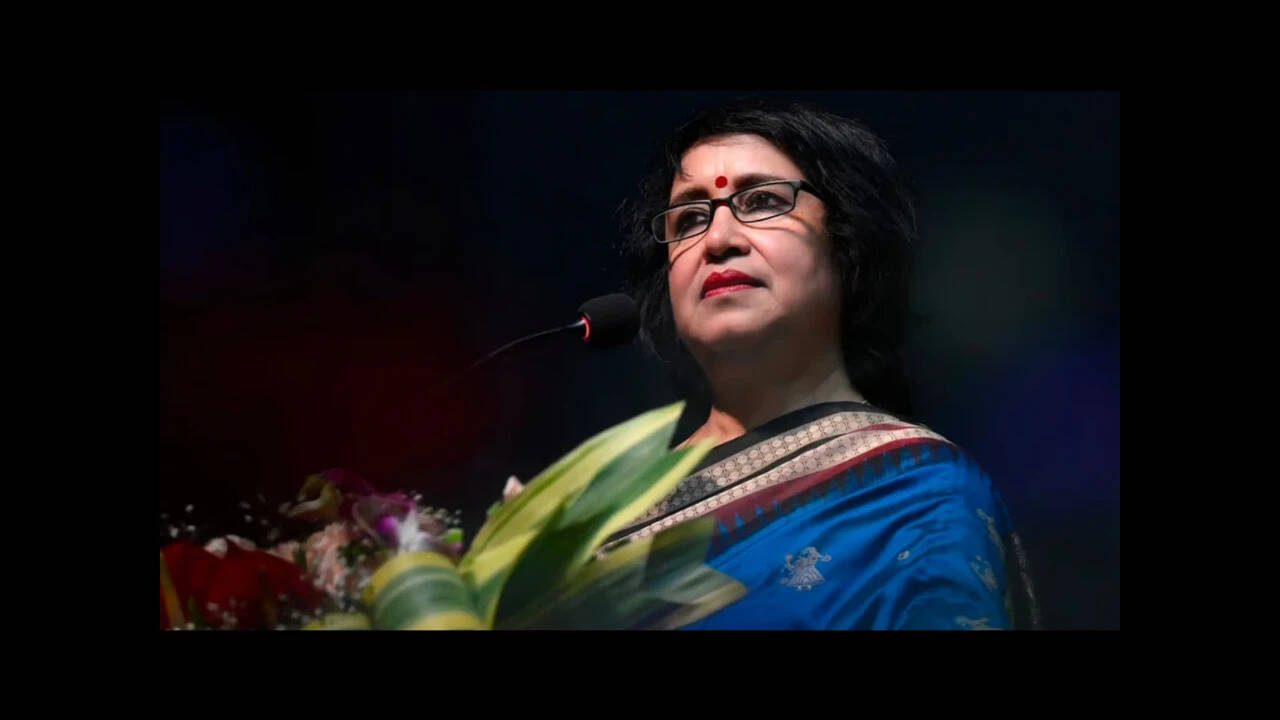
Kolkata, once a refuge for the exiled Bangladeshi author Taslima Nasreen, may be ready to welcome her back. Nineteen years after she was forced to leave the city under security threats, reports suggest that the West Bengal government has indicated it will facilitate her return. The development has reignited debates on free speech, religious sensitivities, and the limits of tolerance in democratic societies.
Taslima Nasreen is a polarising figure. A physician by training, she gained international attention in the 1990s with her novel Lajja (Shame), which depicted the persecution of Hindus in Bangladesh. Her subsequent writings, often critical of Islam and religious orthodoxy, drew death threats from militant groups. In 1994, a fatwa was issued against her, forcing her into hiding. She left Bangladesh in 1994, eventually settling in Kolkata in 2004. However, her presence in the city sparked protests from Muslim groups, and in 2007, following a series of demonstrations, the then West Bengal government asked her to leave, citing concerns for her safety and public order.
The reported change in stance has been welcomed by free speech advocates, who argue that a democratic country must provide space for dissenting voices. "Kolkata has a proud legacy of intellectual openness. If Taslima Nasreen is allowed to return, it would reaffirm that legacy," said a senior academic.
Others, however, have expressed reservations. Some religious leaders have maintained that her writings are offensive to their faith and could create communal tension. "We respect the law, but our sentiments must also be considered," said a representative of a local Muslim organisation.
For Nasreen, the news is personal. Having spent nearly two decades in exile, she has repeatedly spoken about her desire to return to Kolkata, a city she once called home. In an interview last year, she said, "I miss Kolkata's streets, its maidan, its people. It gave me a sense of belonging that I have not found elsewhere."
Yet, questions remain. If she does return, will she have adequate security? Will the backlash from certain quarters intensify? And at a broader level, does her case highlight a tension between the right to free expression and the need to maintain social harmony? These are not simple questions, and they require careful consideration from all stakeholders.
The response of the Indian government and the West Bengal state administration will be closely watched. In recent years, India has seen increasing debates over free speech, with some writers and activists facing legal action for their views. The handling of Nasreen's return could set a precedent for how India balances dissent with domestic peace.
For now, Taslima Nasreen remains in Delhi, where she continues to write and speak on issues of secularism and human rights. Her next destination is uncertain, but the prospect of Kolkata opening its doors once again offers a glimmer of hope for those who believe in the power of words. Whether that hope translates into action depends on political will, security assessments, and the resilience of democratic values in a country that prides itself on pluralism.
This is not just about one woman's return to a city. It is about the principle that, in a democracy, even the most uncomfortable voices need to be heard—not silenced.