23% of Karnataka Youth Neither Working Nor Studying, Reveals Report
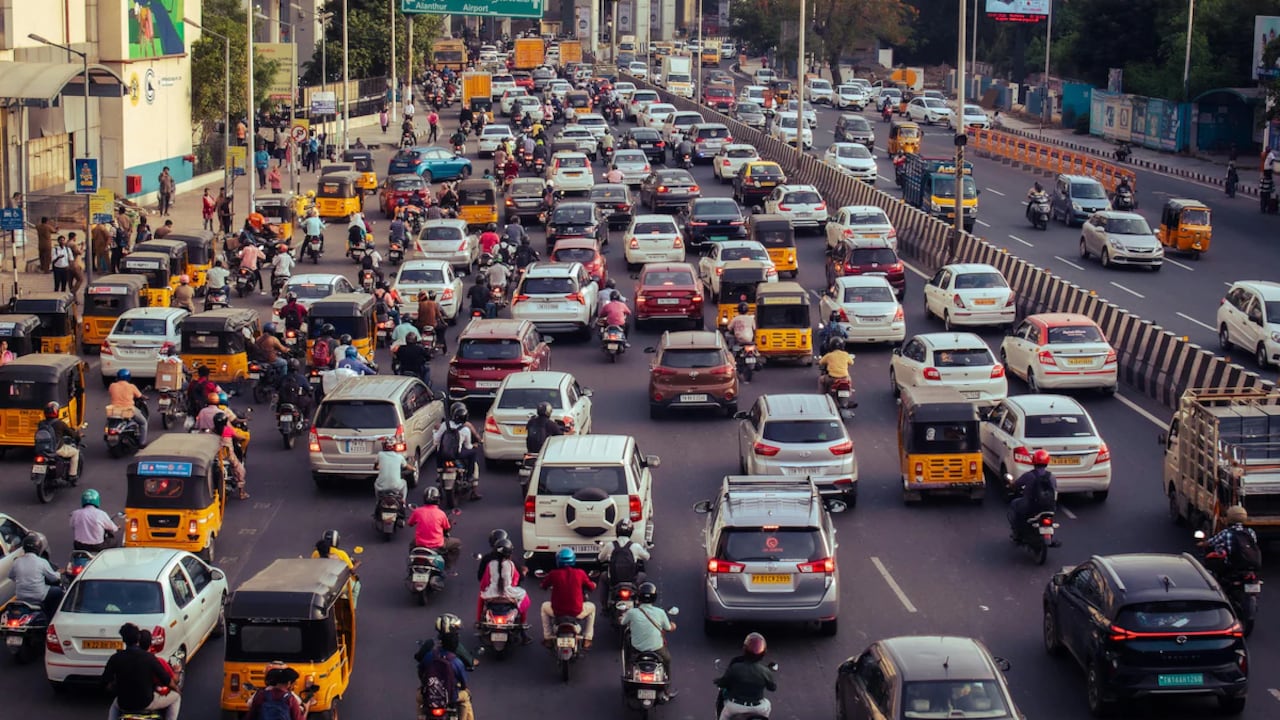
A recent report by the Future of India Foundation has highlighted a concerning trend among Karnataka's youth: nearly one in four young people in the state, aged 15 to 35, is neither employed nor engaged in education or training. The Karnataka State Handbook on Youth Opportunity, which analyzed data from 27 government databases across 180 indicators, estimates that approximately 23 percent of the state's youth fall into this category. This finding comes despite a decline in the state's overall unemployment rate to 8.6 percent.
The report underscores a sharp regional divide within Karnataka. Bengaluru Urban, the state's capital and technology hub, topped the rankings with a YouthPOWER score of 65, while Yadgir, one of the most underdeveloped districts, scored just 42. Karnataka's overall score of 48.5 fell slightly below the national average of 50. The concentration of jobs and industries in Bengaluru has forced many young people from other districts to migrate to the city, placing additional strain on its infrastructure and housing.
According to the report, 42 percent of Karnataka's youth are currently part of the workforce, while 35 percent are studying or undergoing training. Among those employed, 44 percent hold regular salaried jobs. Although the share of youth participating in the labor force has improved from 40 percent in 2017-18 to 45.6 percent in 2025, and unemployment has dropped from 15.8 to 8.6 percent, the benefits remain unevenly distributed.
Kartik Narayan, CEO of Apna.co, commented on the findings, stressing that the challenge is not merely about skills but about access to opportunities. 'Jobs need to go to people where they are rather than expecting people to go to jobs. The moment opportunity concentrates in one geography, you're not selecting for talent, you're selecting for mobility,' he said. Narayan added that the 23 percent of youth who are neither in education, employment, nor training should not be automatically viewed as lacking skills or motivation. 'They're immobile. And when women in 20 districts can't travel to a market alone, that immobility becomes a ceiling on women's workforce participation. The real arbitrage isn't just on skill; it's on who can afford to migrate. Until jobs are distributed where people are, we're leaving talent on the table,' he said.
The report also highlights persistent gender barriers. Despite the state's Shakti scheme providing free bus travel for women, women in 20 of Karnataka's 31 districts still face restrictions on traveling alone to markets, health centers, or outside their communities. In nearly a dozen districts, most women have limited say in household decisions. Graduate unemployment among women stands at 24 percent, and only one in four young women participates in the workforce. Just one-third can independently travel to a nearby market or clinic.
Skill development infrastructure appears to be under strain as well. Although Karnataka has one of India's largest networks of Industrial Training Institutes (ITIs), many students leave without earning the certification they enrolled for, with such cases reported in districts including Bagalkot, Bidar, and Chikkamagaluru.







