18 years on, Sariska tiger reintroduction highlights need for better reserve management
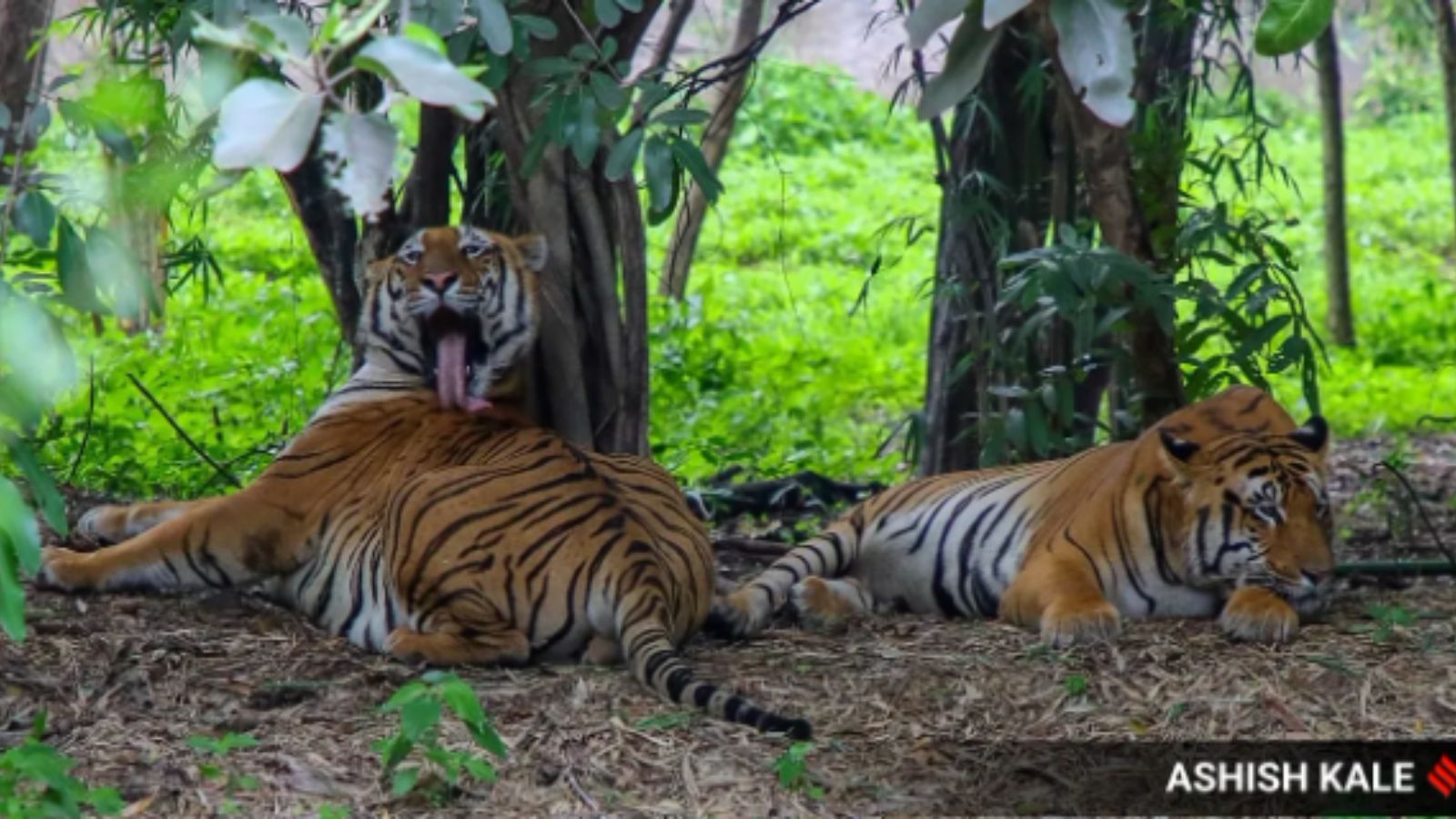
The Union Environment Ministry has released two reports on tiger management, marking 18 years since the reintroduction of tigers at Sariska Tiger Reserve in Rajasthan. The reports outline a roadmap for active tiger management and lessons learned from reintroduction efforts across the country.
According to the reports, about 25 of India's 58 tiger reserves are deficient in tigers or prey abundance, requiring priority interventions to establish long-term viable tiger populations. The Centre noted that outcomes of tiger reintroductions or supplementation through translocation have not always been successful, calling for rigorously science-backed approaches.
Project Tiger head Sanjay Kumar cited the failed translocation at Odisha's Satkosia Tiger Reserve as an important lesson, emphasising the need to take local communities into confidence and consult them before undertaking such efforts.
Union Environment, Forest and Climate Change Minister Bhupender Yadav released the reports at an event in Alwar, Rajasthan. The reports come as India's overall tiger population has steadily increased, but many reserves continue to struggle with low numbers.
The findings underscore the necessity of addressing human-wildlife conflict, ensuring habitat connectivity, and involving local communities in conservation efforts. The Ministry has stressed evidence-based decision-making for future reintroduction programmes.