16 Dead in Kolkata Warehouse Collapse: Families Recount Loss and Unsafe Conditions
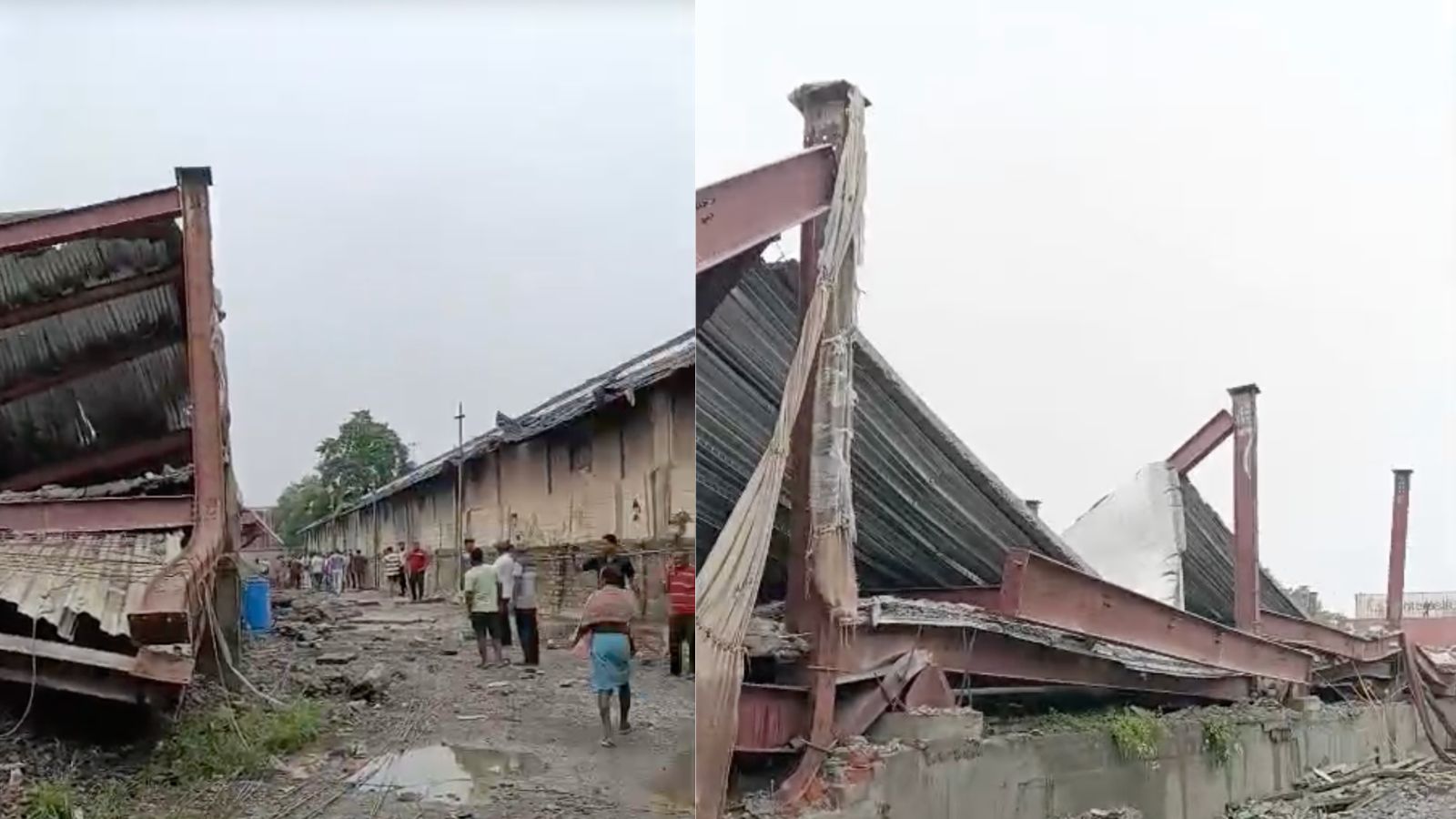
The death toll from the collapse of a warehouse in Kolkata's Taratala area rose to 16 on Saturday, as rescue teams continued to clear debris in search of any remaining survivors. At the SSKM Hospital morgue, grieving families identified their loved ones through tattoos, old injuries, clothing, and personal belongings.
Rahul Choudhury, a 16-year-old who had dropped out of school after Class 8, was among the deceased. Originally from Bihar, his family settled in West Bengal over 25 years ago. His mother sold vegetables, and his elder brother Rohan worked at construction sites in Assam. About two months ago, Rahul joined a labour contractor and began working at the Taratala site. “He felt it was becoming difficult for his eldest brother to run the family alone, so he wanted to help,” Rohan said. “I told him to wait for one or two years and then I would take him with me.” Rahul had recently received his first month's salary of Rs 9,000, according to his sister Sima Prasad. She alleged that her brother had told her there were no proper water arrangements at the site, and that water was provided only when engineers visited. “Why did no one check if the developers were following safety rules and SOPs?” she asked.
Ganesh Kalindi, a 45-year-old construction worker from Dhanbad, had spent seven to eight years moving between construction sites in Gujarat, Maharashtra, and Bengaluru. The Taratala project was his first assignment in Kolkata. He had come as part of an eight-member team for a 12-day contract. Four workers had returned home, while the remaining four, including Kalindi, were scheduled to board a train from Howrah Wednesday afternoon. “My uncle stepped away just two minutes before the collapse to pack his bag,” recalled his nephew Premnath Badrekar, who was working alongside him. Kalindi was rescued after nearly five hours and was alive when relatives met him in hospital. He died the next afternoon.
Pappu Kumar Rajak, a 40-year-old mason, had been working at the site for a decade, supporting his wife Siuli and their 13-year-old daughter Pushpa. He was the strongest member of the family, his brother Ashok said. “As she grew, we required a regular job. Almost all the jute mills and factories in our area had shut,” said Siuli. The family spent nearly five hours shuttling between the accident site and SSKM Hospital searching for him. “They showed me four other bodies before I found my husband,” Siuli said.
Krishna Choudhury, 49, a former worker at the Reliance Jagaddal Jute Mill, had turned to construction work after the mill shut last November. For the past seven months, he had been travelling to construction sites to support his wife Suchita, three children, and his 80-year-old mother Jasoda Devi Choudhury, who lies bedridden, clutching a photo of her son. “I just want my son back,” Jasoda wept. “He was forced to take up hazardous work at such distant places just to feed us.” Suchita added, “He earned Rs 600 a day. I have three children to raise.”
Swapan Mondol, 55, a construction worker from Shyamnagar, left his regular work after being promised higher wages at the Taratala site. He is survived by his wife and two married daughters. “My father never used to work far from home. He agreed because of better pay,” his elder daughter said. She said local construction work usually paid him Rs 500-600 a day. “A supervisor told him he would get Rs 1,000 a day for six days here. We identified him from the copper bracelet he always wore.”
The collapse has raised questions about safety standards and regulatory oversight at construction sites. Many of the victims were daily-wage workers who had taken up the job out of economic necessity. The government has ordered an investigation into the incident.







