Nadda Launches JOSH Teams to Trace 'Missing' TB Patients in 55 Districts

The Union Health Minister, J.P. Nadda, on Thursday launched JOSH (Joint Squad for Health) teams under the TB Mukt Bharat Abhiyaan, an initiative that will deploy youth volunteers for household-level outreach to find people with tuberculosis who may be outside the formal health system.
The teams will work in 55 districts across 11 States and Union Territories. Each team will comprise five National Cadet Corps (NCC) cadets and five MY Bharat volunteers, and will function under a designated Class-I officer at the block and ward level.
Their task is specific: identify people with TB symptoms, encourage them to get tested, and support those diagnosed so that they complete the full course of treatment. The initiative is being implemented jointly by the Ministry of Health and Family Welfare, the Ministry of Youth Affairs and Sports, and the Ministry of Defence.
Speaking at the launch, Mr. Nadda said people could be living with tuberculosis without recognising their symptoms, and therefore remain outside the formal healthcare system. “Awareness is important, screening is important, but our responsibility does not end there,” he said, stressing that diagnosis and completion of treatment were equally essential.
The government’s emphasis in this phase is on what health officials call active case finding — going to households to look for possible cases rather than waiting for patients to reach a health facility. This approach is intended to reach people who may not seek care because symptoms are mild, because of the stigma associated with the disease, or because of the cost and distance involved in travelling to a testing centre.
Missing such cases has consequences beyond the individual. A person with untreated TB can transmit the infection to others, and interrupted treatment raises the risk of drug-resistant forms of the disease, which are harder and more expensive to treat. The National TB Elimination Programme has, over the years, combined free diagnosis and treatment with nutritional support and direct benefit transfers for patients.
Health experts have consistently held that India carries the largest share of the world’s tuberculosis burden, and that sustained case finding, along with nutrition and treatment adherence, is central to reducing it. India’s national programme aims to eliminate TB ahead of the global Sustainable Development Goal target of 2030, a timeline that officials acknowledge requires intensive community-level effort.
At the same event, the Centre felicitated 67,933 Panchayats across 697 districts that were declared TB Mukt in 2026. The declaration of a panchayat as tuberculosis-free is based on local efforts in awareness generation, screening support and assisting patients through treatment, with elected local bodies playing a facilitating role.
The JOSH initiative is expected to be expanded to other districts after the orientation and mobilisation of volunteers. Officials indicated that the pace of expansion would depend on how the first phase performs and on the availability of trained volunteers, since the squads work alongside existing health workers rather than replacing them.
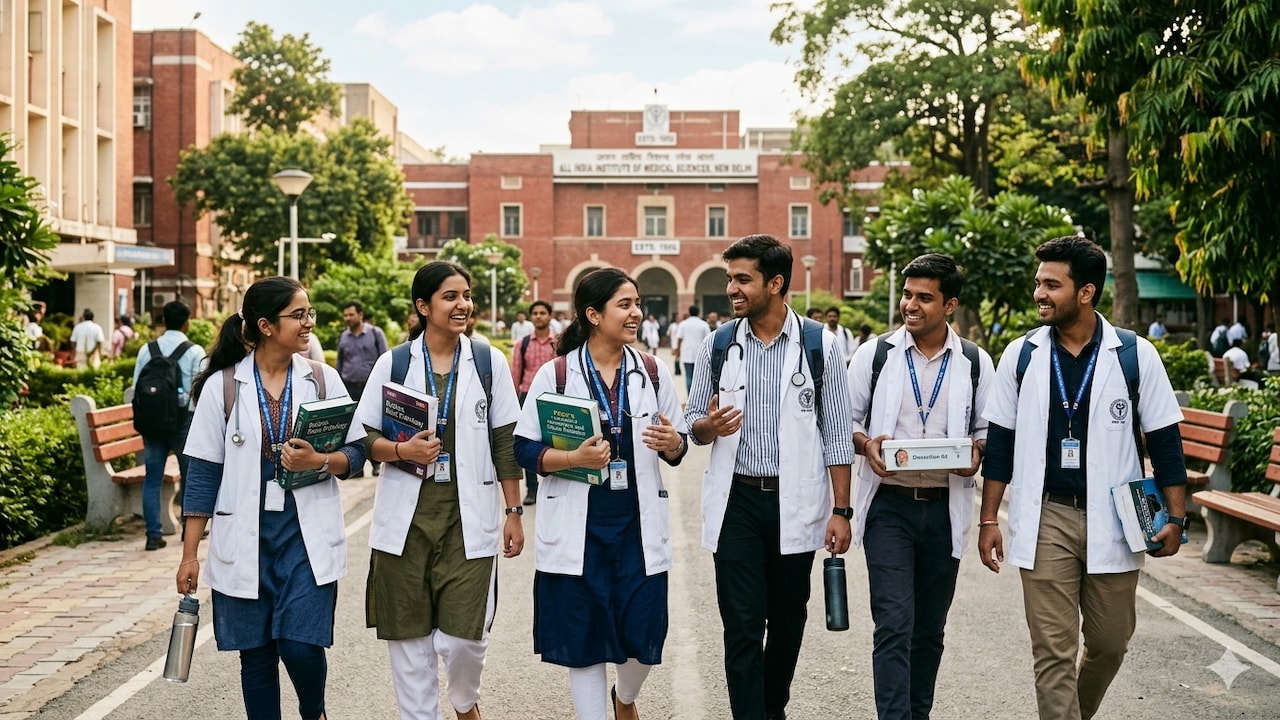
The involvement of NCC cadets and MY Bharat volunteers places a substantial part of the outreach work in the hands of young people, many of them students. Their role, as described by the Ministry, is to supplement the public health system by acting as a bridge between households and testing and treatment services, and to reduce the delay between the first symptoms and a confirmed diagnosis.