WhatsApp Usernames: India's Regulatory Dilemma Over Digital Privacy and Cybercrime
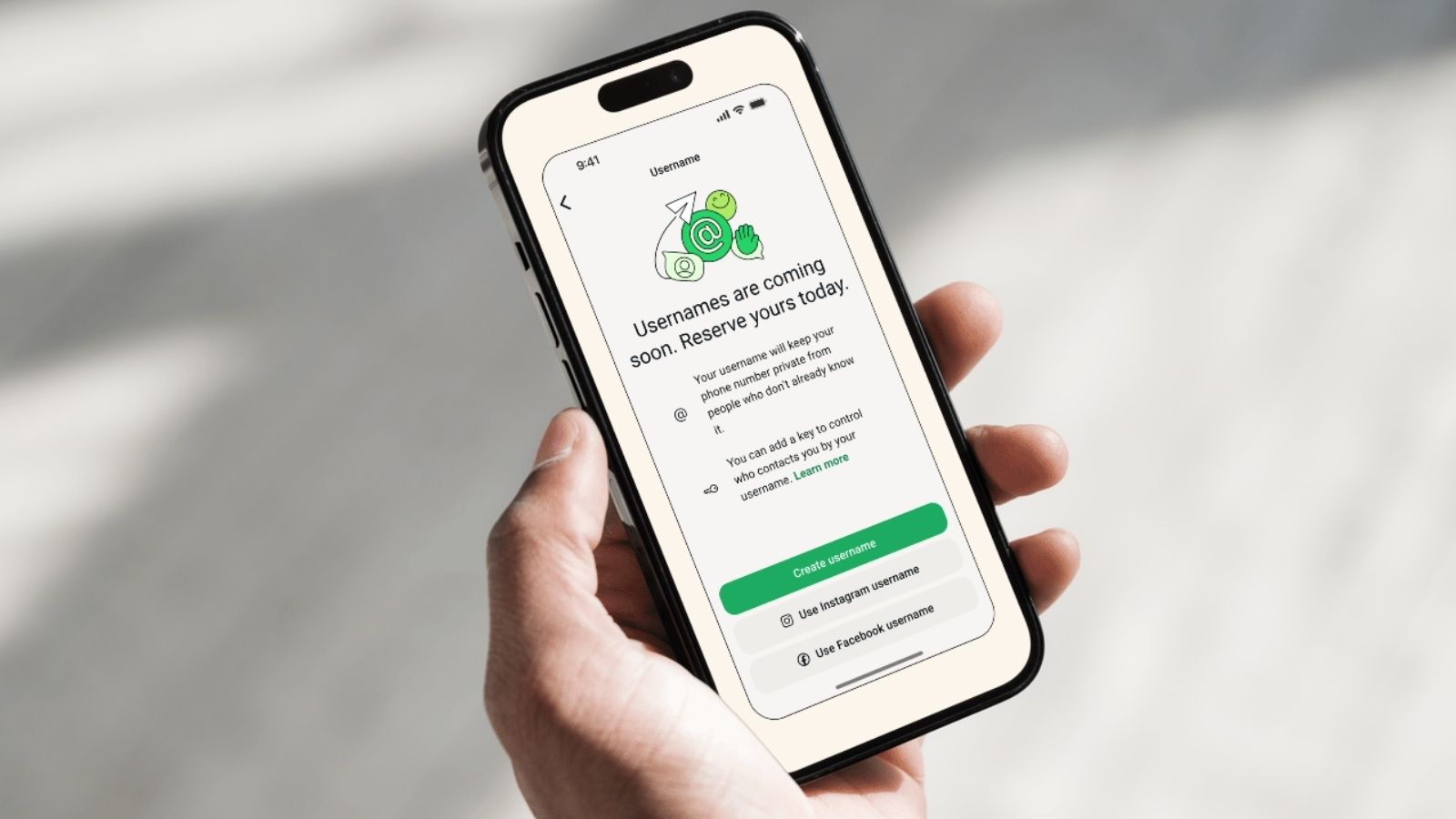
The Government of India's reported decision to seek an explanation from Meta regarding WhatsApp's proposed username feature has sparked a broader debate about how digital technologies should be regulated. The core question is whether governments should focus on the harms caused by digital products or scrutinise individual features before they reach citizens.
India is currently facing a surge in cyber fraud, identity theft, and digital arrest scams. Criminals are increasingly exploiting technology to impersonate trusted institutions and manipulate citizens. In this context, any government has a responsibility to anticipate potential risks and ensure that technology platforms do not inadvertently enable organised crime.
However, good intentions must be matched by effective regulation. Every regulatory intervention should be evaluated by a simple test: Does it solve the problem it aims to address? This is particularly relevant in the case of WhatsApp usernames.
Government officials have expressed concern that malicious actors could reserve usernames resembling public personalities, government institutions, or prominent organisations, thereby impersonating trusted identities and deceiving users. While this concern is valid, it is important to examine whether the proposed feature fundamentally alters the ability of law enforcement to identify wrongdoers.
A WhatsApp username is not an anonymous identity detached from its owner. It simply replaces the visible mobile number during user interactions. Every account remains linked to an underlying mobile number obtained through established subscriber verification processes. Platforms retain account identifiers and records that are available through legal requests.
At the same time, the feature offers privacy benefits. Millions of Indians currently disclose their personal mobile numbers to strangers because digital communication leaves no alternative. The proposed username feature advances the goal of protecting personal information, a principle that India itself has increasingly embraced.
If official concerns persist, regulators could require platforms to adopt privacy-preserving defaults. For example, users could receive messages from username-based accounts only after giving explicit consent, similar to how spam filters transformed email without questioning its legitimacy.
The argument that messaging platforms now resemble public infrastructure also warrants examination. Email, arguably a foundational piece of digital public infrastructure, uses usernames (email addresses) universally. Governments have responded to phishing and impersonation not by questioning email addresses themselves, but by strengthening authentication, spam detection, domain verification, and cybercrime enforcement. Messaging platforms deserve the same policy logic.
The government should regulate digital harms, accountability, and platform obligations, not individual software features whose risks can already be addressed through existing law and better product safeguards. This distinction is critical. Regulating outcomes rather than software architecture prevents governments from becoming arbiters of product design—a role that no serious digital economy can sustain given the speed of technological evolution.







