War fallout: Dubai's migrant workers face job losses, pay cuts as Gulf conflict persists
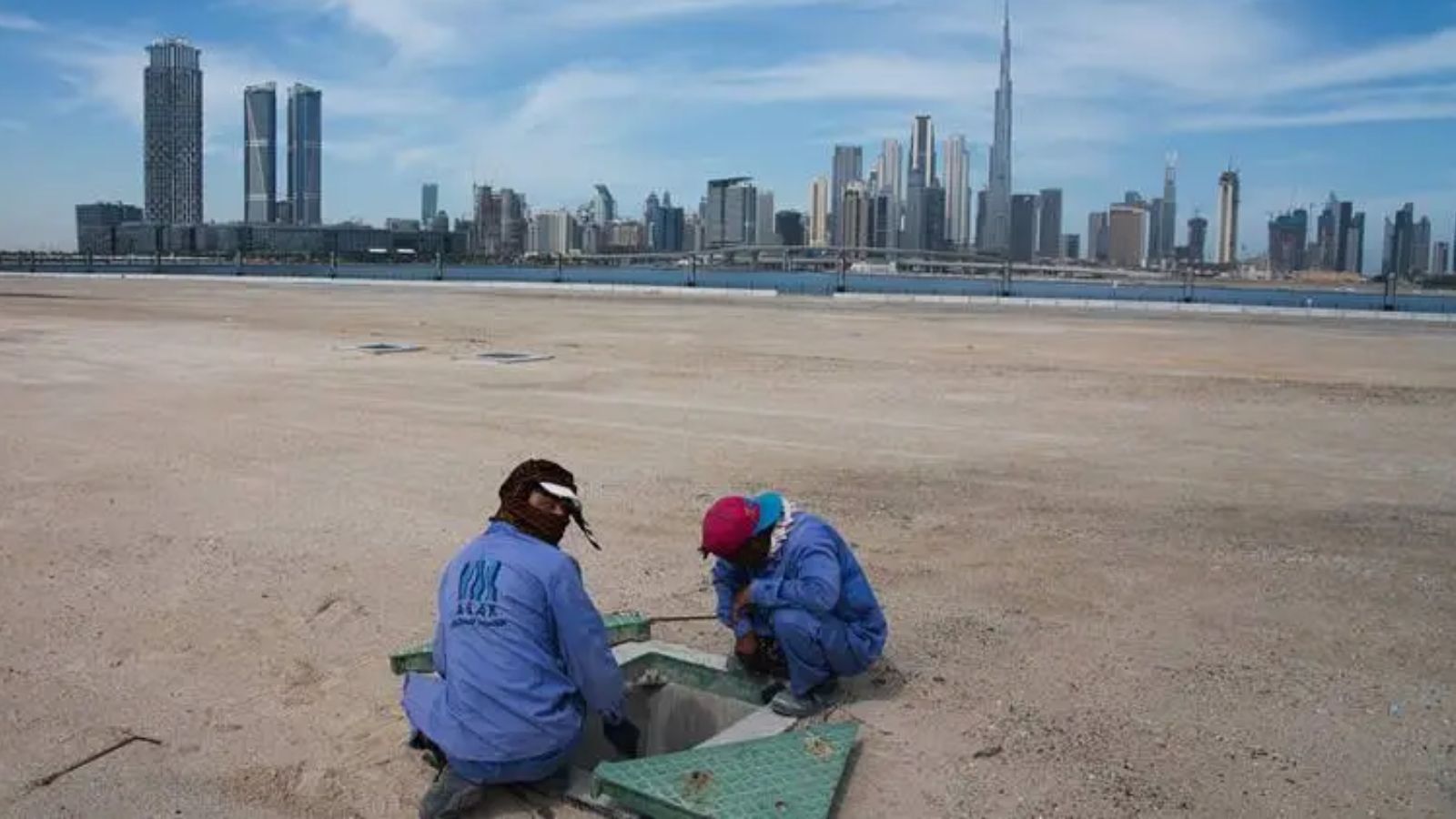
For thousands of migrant workers in Dubai, the promise of opportunity has faded. Months after the US-Israel conflict with Iran escalated into the Gulf region, jobs have disappeared, salaries have shrunk, and new employment opportunities have dried up, according to reports from workers and surveys.
The conflict, which included Iranian missiles and drones striking the UAE, has slowed tourism, aviation, and other businesses dependent on foreign visitors. While UAE officials describe the downturn as temporary, many workers on the ground paint a different picture, as detailed by The New York Times.
Filipina domestic worker Joy Vivanda begins each day walking through Dubai’s heat, checking notice boards and asking strangers if they need household help. She lost her job in March when the family she worked for left Dubai during the conflict and did not return. She has been searching for four months without success. Returning to the Philippines is not an option, as she supports four children with her Dubai income. Migrant workers in several neighbourhoods report similar experiences—going door to door with resumes.
Indian accountant Mujeeb Rahman lost his job after the catering company he worked for ran out of business. “There is simply no business,” he said. “The company does not have enough cash flow to pay employees and suppliers.” He noted that many companies have stopped hiring. A ManpowerGroup survey of 546 UAE employers found that one in four plans to cut jobs in the third quarter of 2026, and nearly a third have no hiring plans at all.
Workers who kept their jobs are often earning less. Egyptian saleswoman Zekra Elsa said tourist visits dropped sharply during the conflict, cutting into sales at the retail kiosk where she works. Her employer moved her from a fixed salary to commission, and her daily sales now often stay under $150. Welder Yanick Obi from Cameroon still reports to work each day but says maintenance contracts have dried up. “I go to work every day,” he said, “but there is no work.”
The UAE government has rolled out support packages worth more than $680 million to help businesses through the slowdown. Economy and Tourism Minister Abdulla Bin Touq al-Marri called the war’s impact a temporary “glitch” in an April interview, pointing to the country’s “agility” and “resilience.” Dubai Investments CEO Khalid Jassim Mohamed bin Kalban also expects a quick recovery, noting no sign of people or businesses leaving.
But for workers who send money home, the impact reaches further. Indian hotel housekeeper Venkat lost his job and returned home in April; his Dubai income had covered his children’s school fees. “I am doing whatever I can to manage,” he said. “If I cannot come back to Dubai, my children’s future is at stake.”
A brief ceasefire had raised hopes of recovery, but renewed strikes between the US and Iran have prolonged the uncertainty. For workers like Vivanda, hope is what keeps them in Dubai as they wait for things to improve.