Walking in Indian Cities: A Fundamental Right Long Overlooked
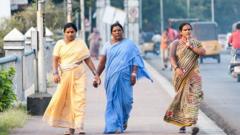
For millions of Indians, walking is not a choice but a daily necessity. Yet, in many cities, the simple act of walking to work, school, or market often means navigating broken pavements, blocked footpaths, and unsafe roads. In June, the Supreme Court of India declared that the right to walk safely on designated footpaths is a fundamental right under Article 21 of the Constitution. The ruling has brought renewed attention to the severe neglect of pedestrian infrastructure in urban India.
The significance of this judgment is best understood against the backdrop of how Indians actually travel. According to census-based estimates, about 45 million people walk to work every day, compared with only about 5.4 million who commute in private cars, jeeps, or vans. Nearly a third of urban workers walk to work, and virtually every bus or metro journey begins and ends on foot. A 2019 survey of selected cities found that 63 per cent of all journeys were made on foot, making pedestrians the single largest group of road users.
Despite these numbers, urban planning in India has historically prioritised motorised transport. Wide roads, flyovers, and multi-level parking structures are common, while footpaths are often missing, encroached upon by hawkers, or blocked by parked vehicles and construction material. In many areas, pedestrians are forced to walk on the road, sharing space with fast-moving traffic. This neglect comes at a heavy price: pedestrians account for a significant share of road accident deaths across the country.
The Supreme Court's ruling is seen as a crucial step towards recognising walking as a legitimate mode of transport. Legal experts argue that by linking the right to walk to Article 21, which guarantees the right to life and personal liberty, the court has placed an obligation on state authorities to provide safe and accessible pedestrian infrastructure. This includes not just footpaths, but also proper street lighting, ramps for persons with disabilities, and safe crossing points.
Women, in particular, depend heavily on walking. Many are what researchers call 'captive pedestrians' — people who walk not by choice but because they cannot afford any other option. For them, unsafe or inadequate footpaths are not just an inconvenience but a threat to their personal safety. The court's judgment, therefore, has a strong gender dimension, as it seeks to ensure that public spaces are designed to protect all citizens, regardless of their economic status.
However, the ruling alone will not change ground realities. City authorities and state governments must now translate the judgment into actionable plans. This means allocating funds for pedestrian infrastructure, enforcing laws that keep footpaths clear, and involving citizens in urban planning decisions. Several cities have begun experimenting with 'walkability' projects, but progress remains slow and uneven.
Walking is the most democratic form of transport. It is free, environmentally clean, and accessible to nearly everyone. The Supreme Court has now affirmed that the state has a duty to protect the right of every citizen to walk safely. The challenge lies in ensuring that this right is not confined to court orders, but becomes a reality on the streets of India's towns and cities.