Volkswagen's Job Cut Plan Sparks Worker Anger Amid Chinese Competition and Weak Demand
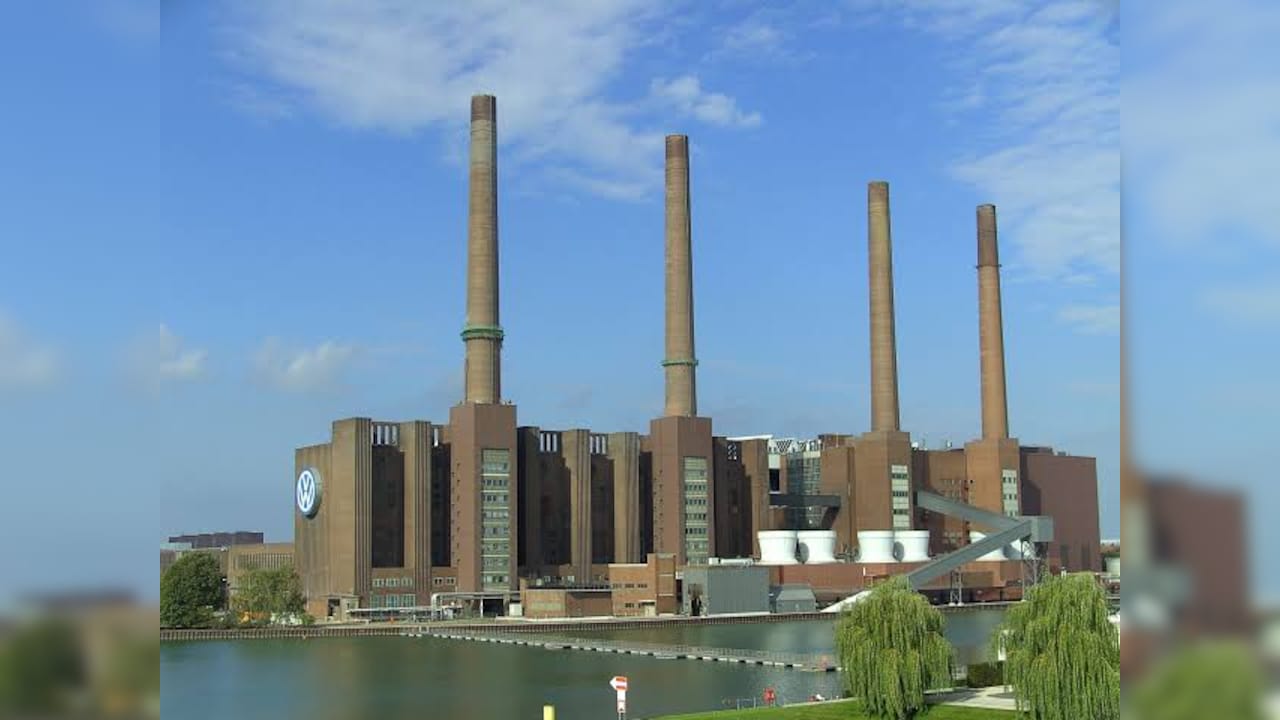
Volkswagen CEO Oliver Blume faced a hostile reception from more than 10,000 workers at the company's headquarters in Wolfsburg, Germany, on Tuesday. The workers gathered to voice their anger over the automaker's planned restructuring, which could involve significant job cuts.
Blume urged employees to "pull together" as Volkswagen prepares for one of the most challenging restructuring drives in its history. However, his appeal was met with boos and protest banners, highlighting the deepening rift between management and labour.
The unrest comes after Blume warned on Sunday that the company was in a "more than critical state." Volkswagen is grappling with weak demand in key markets, intense competition from Chinese automakers, and the impact of US tariffs and high production costs.
According to reports, management is considering cutting up to 50,000 jobs, split between Germany and other locations. Earlier reports suggested the global job-cut figure could reach 100,000 over the coming years, though this has not been confirmed. Blume stressed that these numbers are scenarios rather than final decisions.
The company says it intends to rely mainly on voluntary departures, early retirement, and restrictions on new hiring. However, the uncertainty has left workers worried, particularly since the future of several German plants remains unclear. Production at the Osnabrück site is slated to end next year, and the fate of four other locations after 2030 is still undecided.
Blume attempted to adopt a conciliatory tone in his address, explaining that Volkswagen must change to remain competitive. He pointed out that the company's costs are around 30 per cent higher than some rivals. Yet, his message failed to resonate with the assembled workers.
Daniela Cavallo, head of Volkswagen's works council, said confidence in Blume and the management board has been damaged, though she did not rule out the possibility of repairing the relationship. "The German factories belong to the Volkswagen Group. They are an integral part," she told the gathering, as reported by Reuters.
The challenges facing Volkswagen go beyond a single quarter. Chinese carmakers have emerged as formidable competitors, especially in the electric vehicle segment. Volkswagen has also seen declining sales in China, one of its most important markets.
The potential restructuring could involve up to 100,000 jobs and four plant closures. If implemented at that scale, it would rank among the largest overhauls in the history of the global auto industry.
Labour representatives and the state of Lower Saxony, a major shareholder, have prepared alternative proposals to turn the company around. These plans are expected to be discussed at the supervisory board meeting on September 4.
Abhishek Bhilwaria, Partner at BhilwariaFinserv, commented to NDTV: "The current communication strategy from leadership is creating a double-edged sword. While the market welcomes the acknowledgment that drastic structural cuts and plant updates are necessary, the lack of transparency is fueling labour unrest and severe execution risk. If management cannot present a clear, definitive roadmap soon, employee resistance and operational friction will erode the very cost-efficiencies this restructuring is trying to achieve."
The outcome of this standoff will have implications beyond Germany, as Volkswagen is one of Europe's largest industrial employers. The September 4 board meeting is expected to be a crucial moment for the company's future direction.