Vitamin D Overdose Causes Artery Calcification: Bengaluru Case
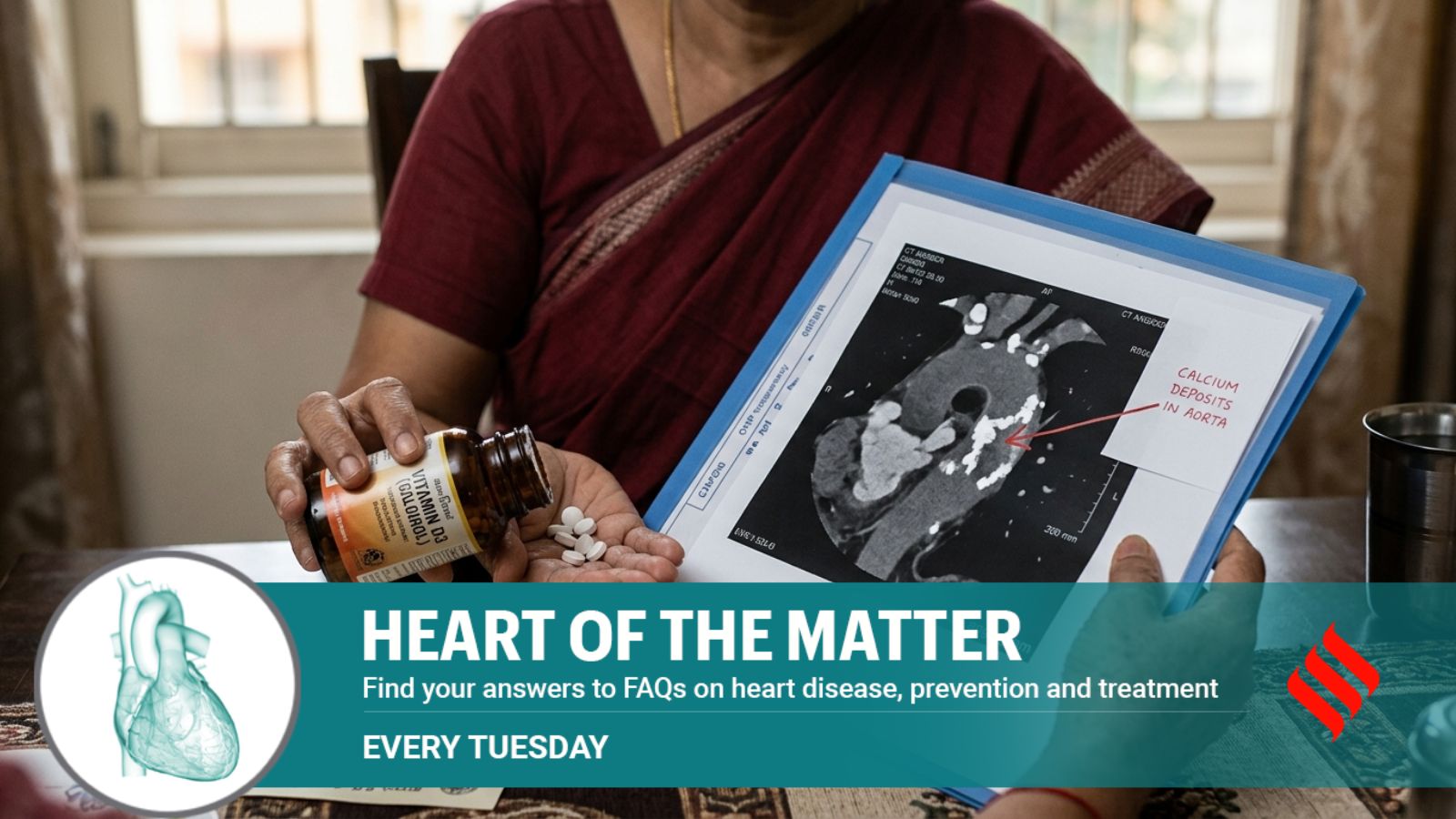
A 53-year-old woman in Bengaluru experienced dizziness, fatigue, fainting, shortness of breath, and occasional chest tightness. Routine tests appeared normal, but an imaging scan revealed calcium deposits in her aorta — the body's largest artery. Normally supple and elastic, her aorta had begun to harden, a condition that typically increases the risk of heart disease.
The woman had no history of smoking, heart disease, or other comorbidities. The cause was not a deficiency but an excess: vitamin D. Months earlier, she was diagnosed with severe vitamin D deficiency, with blood levels at 6 ng/mL (normal: above 30 ng/mL). She was prescribed a weekly vitamin D sachet for six weeks. However, she continued taking it for six months without medical supervision.
When she returned for follow-up, her calcium levels had risen to 11.5 mg/dL, exceeding the normal upper limit of 10 mg/dL. Her kidney function had also declined, with creatinine levels reaching 2. But the most concerning finding for cardiologists was the calcium deposition in her aorta — a sign of arterial stiffening.
Vitamin D plays a crucial role in calcium absorption. Taking excessive amounts can lead to hypercalcemia, a condition where calcium accumulates in soft tissues, including blood vessels. This can cause vascular calcification, kidney damage, and other complications. The case highlights the potential dangers of self-medication and the importance of following prescribed dosages.
Medical experts caution that while vitamin D deficiency is common and requires supplementation, overdosing is harmful. Patients should undergo periodic blood tests to monitor calcium and vitamin D levels. This incident serves as a reminder that dietary supplements are potent substances and should be used only under professional guidance.