Venezuela Earthquake: State of Emergency Declared as Infrastructure Strained
Venezuelan Vice President Delcy Rodríguez addressed the nation on state television more than two hours after a devastating earthquake struck the country. In her speech, she declared a state of emergency and appointed National Guard commander General Juan Ernesto Sulbarán to lead the response.
Official information was initially scarce, partly due to damaged communication lines in the worst-affected areas. However, critics note that restrictions on independent media under the previous government have also limited the flow of local updates. Hundreds of local radio stations and news sites were closed in recent years, reducing channels for localized information.
Rodríguez was flanked by her brother Jorge Rodríguez, recently sworn in as interim president after the departure of Nicolás Maduro, and Interior Minister Diosdado Cabello, a longtime ally of the former government. Cabello, who had often appeared in military fatigues in the months before the US-led intervention, stood silently in civilian clothes.
The vice president called for national unity, appealing to a population deeply divided after years of political polarization between supporters and opponents of the late Hugo Chávez and his successor, Nicolás Maduro. She emphasized the need for coordinated relief efforts.
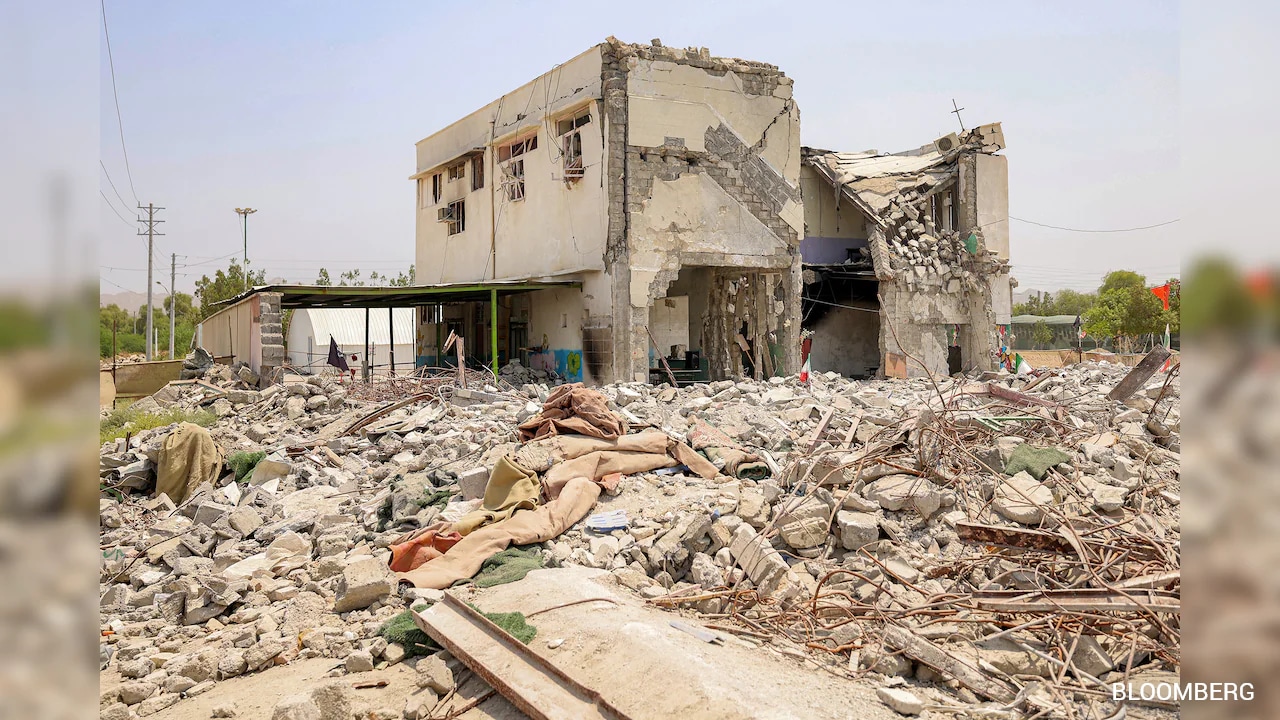
The earthquake strikes a country already grappling with severe infrastructure challenges. Under Chávez and Maduro, key government positions were frequently held by military officers with limited technical expertise. Analysts have pointed to this as a factor in the deterioration of public infrastructure. In recent weeks, Rodríguez replaced the generals running the housing and electricity ministries with civilians holding relevant degrees—an architectural engineer and an electrical engineer, respectively.
Nevertheless, years of shortages—triggered by a combination of US sanctions and domestic mismanagement—have left much of the housing stock vulnerable. The nationalization of the cement industry under Chávez led to its collapse, creating a shortage of cement for repairs. Many buildings were already structurally weak, increasing the risk of collapse during seismic events.
The full extent of damage and casualties is still being assessed as rescue teams work to reach isolated communities. The international community has offered assistance, and the government has pledged to coordinate relief efforts transparently.