Iran Guards: Hormuz Reopening Hinges on Full US Compliance

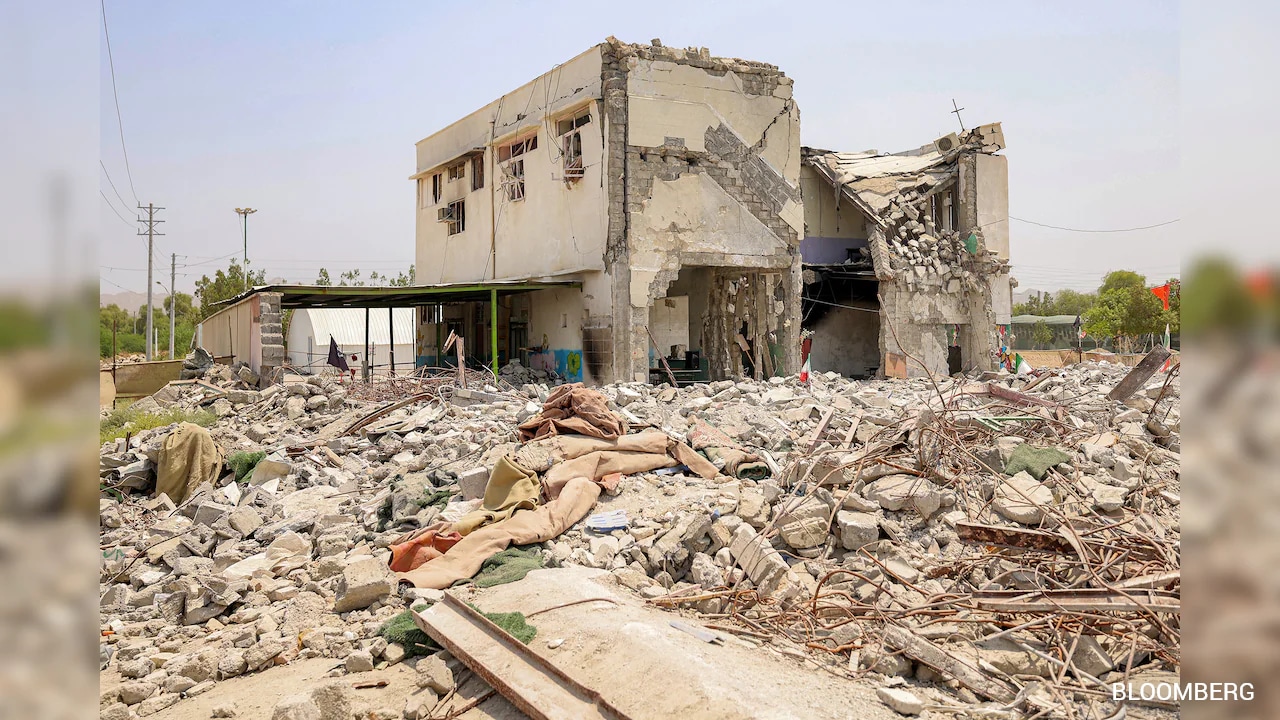
The Islamic Revolutionary Guard Corps of Iran said on Sunday (August 9, 2026) that the Strait of Hormuz will remain closed until the United States meets a set of conditions, including compensation for wartime damage. The crucial oil route has been effectively blockaded by Iran since the US and Israeli attacks on the country in late February, with Tehran demanding tolls for passage and striking vessels it suspects of bypassing its preferred route.
According to the semi-official Tasnim news agency, Iran's security chief Mohammad Bagher Zolghadr laid out a list of demands on Saturday. These include an end to what Iran calls aggression against itself and its allies in Lebanon, Palestine, Yemen and Iraq, the lifting of a US counterblockade on Iranian ports, termination of sanctions, release of frozen assets, and compensation for damages caused by the war.
The Revolutionary Guards' statement on Sunday affirmed their strategy to maintain the closure "until the enemy accepts all our conditions," describing the strait as "a theatre of war" rather than a mere waterway. Foreign Minister Abbas Araghchi, who previously indicated that reopening Hormuz was conditional, denied on Sunday that Iran was negotiating with the US, stating that the two sides were merely "exchanging messages" through intermediaries.
Waterway traffic has dropped significantly as attacks continue. The United Arab Emirates accused Iran on Saturday of striking an oil tanker belonging to its national oil company as it transited the strait. Separately, the United Kingdom Maritime Trade Operations reported that a ship was hit by a projectile off Oman, though it was unclear if both reports referred to the same incident.
Oman's Foreign Ministry condemned the "repeated attacks on vessels transiting the Strait of Hormuz" without naming Iran, and said that "ongoing negotiations regarding navigation arrangements" were progressing. The June accord between Iran and the US had specified that Tehran and Muscat would work out future arrangements for the strait in consultation with other Gulf countries, in line with international law, which generally prohibits tolling in international waterways. Araghchi had earlier said discussions with Oman on the strait's management were "approaching the final stages."
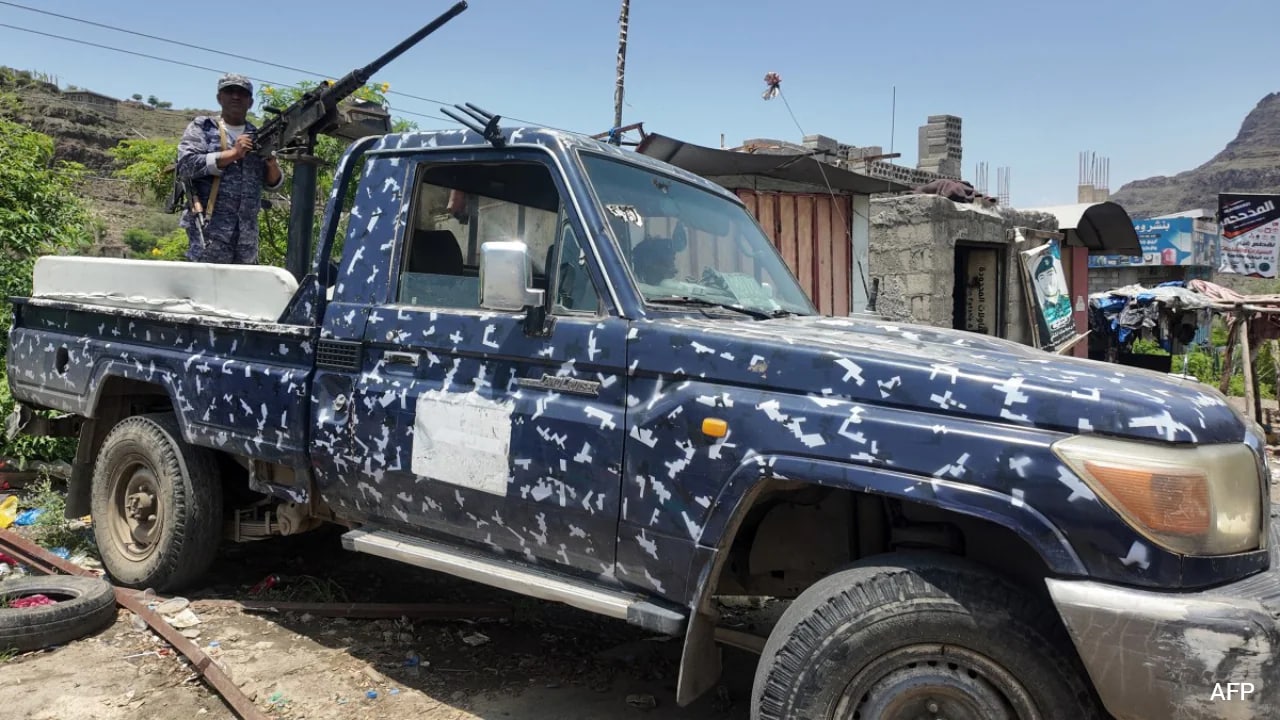
In a parallel development, Iran's Houthi allies in Yemen have declared a maritime blockade on Saudi ports in the Red Sea, the kingdom's only other oil export route. On Sunday, the Houthis announced they had struck a Saudi oil facility on the Red Sea coast, hours after Saudi authorities said they had extinguished a fire at the site. Saudi Arabia has long supported Yemen's internationally recognised government in its conflict with the Houthis, a war that was paused by a UN-backed 2022 truce. That accord has shown signs of collapse since the rebels declared their blockade last month.
A medical source in the government-held Yemeni city of Mokha reported that three civilians and eight military personnel were killed and 32 others wounded on Sunday, all civilian casualties resulting from Houthi strikes on the port. Houthi military spokesman Yahya Saree claimed the group targeted "Saudi enemy" troops and equipment with missiles and drones.
The broader West Asia war has severely tested Saudi Arabia's reputation for stability and its plans to diversify its economy beyond petroleum. On Friday, the kingdom signed a joint defence agreement with Turkiye and Pakistan, underscoring the shifting security landscape in the region. As mediators push both sides to honour the June memorandum, the closure of the Strait of Hormuz continues to pose significant risks to global energy supplies and regional stability.