Venezuela Earthquake Disrupts Oil Trade: India Faces Supply Risks
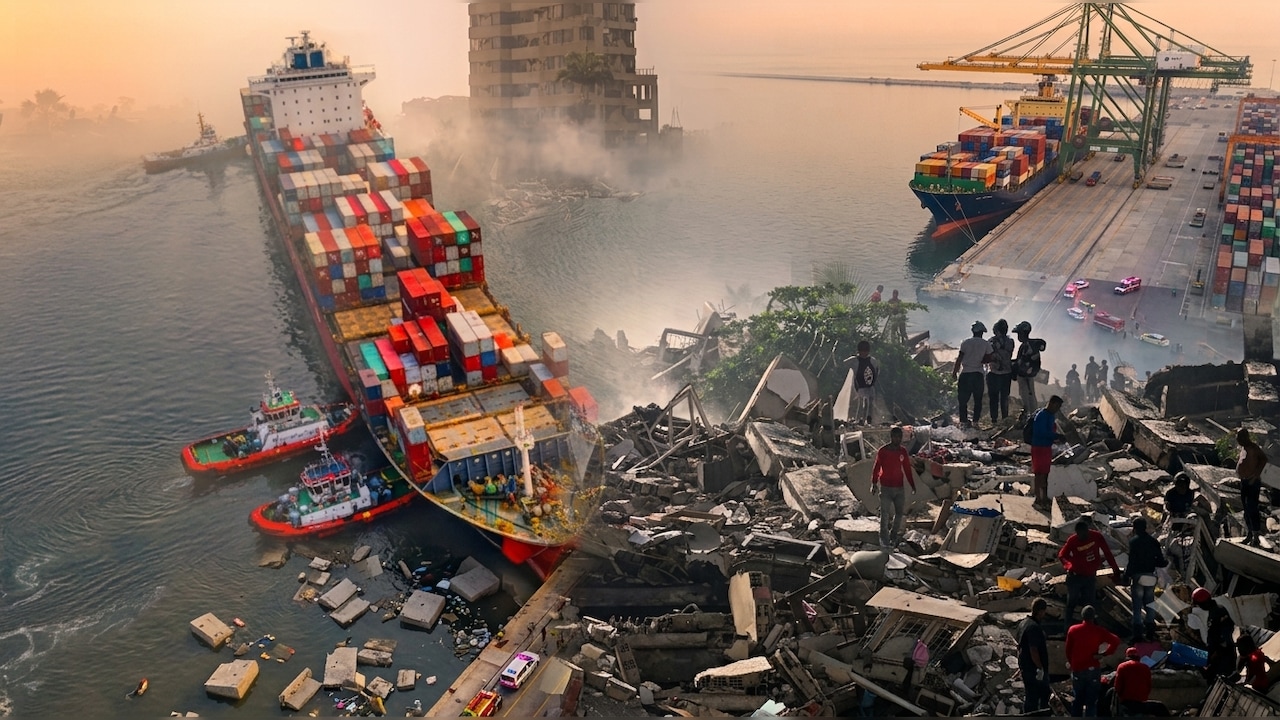
A powerful earthquake in Venezuela has raised concerns over India's growing oil imports from the South American nation. The twin earthquakes, measuring 7.2 and 7.5 in magnitude, struck on June 24, causing hundreds of deaths and thousands of injuries. Aftershocks continue to rattle the region.
For India, the disaster comes at a sensitive time. The country had faced disruptions in oil supply due to tensions in the Middle East. Just days before the earthquake, the United States and Iran signed a peace deal, raising hopes that disruptions at the Strait of Hormuz would ease. However, the Venezuelan earthquake introduces a new set of challenges.
According to Kunal Khanna, Managing Director for Reinsurance and Global Head of Natural Resources at EDME Insurance Brokers Ltd, Venezuela had recently become a key supplier of crude oil for Indian refiners. Any disruption in the country's export infrastructure could have implications beyond its borders. 'India's exposure is growing because Venezuela has become an increasingly important supplier in a very short period of time,' he said.
India sharply increased purchases of Venezuelan crude in recent months as refiners sought alternatives amid Middle East uncertainty. Imports from Venezuela surged through April and May, making the country one of India's most significant crude suppliers. The earthquake now threatens this supply chain.
Khanna noted that the risk is not limited to physical damage at oil facilities. Power outages, damaged transport links, and emergency restrictions at ports can slow cargo movements for days or weeks. Venezuela's key cargo gateway, La Guaira, has been placed under a disaster declaration, raising concerns over shipping schedules and port operations. For tanker operators, delays can lead to higher costs, including demurrage charges and rerouting expenses, which ripple across the supply chain.
Earlier this month, Prime Minister Narendra Modi held talks with Venezuela's acting President Delcy Rodriguez. They explored opportunities for Indian companies to invest in Venezuela's mining, critical minerals, pharmaceuticals, and automobile sectors. The earthquake now adds operational and financial risks for Indian interests on the ground.
India has direct investment exposure through ONGC Videsh, which holds stakes in oil projects in Venezuela. Any prolonged disruption could have both operational and financial implications. Khanna pointed out that marine insurance policies covering shipments from Venezuela were designed around geopolitical and sanctions-related risks. A major seismic event introduces a different layer of uncertainty that may not have been priced in. 'The corridor was evaluated mainly through the lens of shipping and political risks. Natural catastrophe exposure is now part of the equation,' he said.
The broader lesson, according to Khanna, is that diversification does not eliminate risk; it changes its nature. India turned to Venezuela to reduce dependence on other volatile energy corridors, but the earthquake highlights how every new trade route brings its own vulnerabilities.