Vande Bharat Express carries live heart in India's first train organ transport
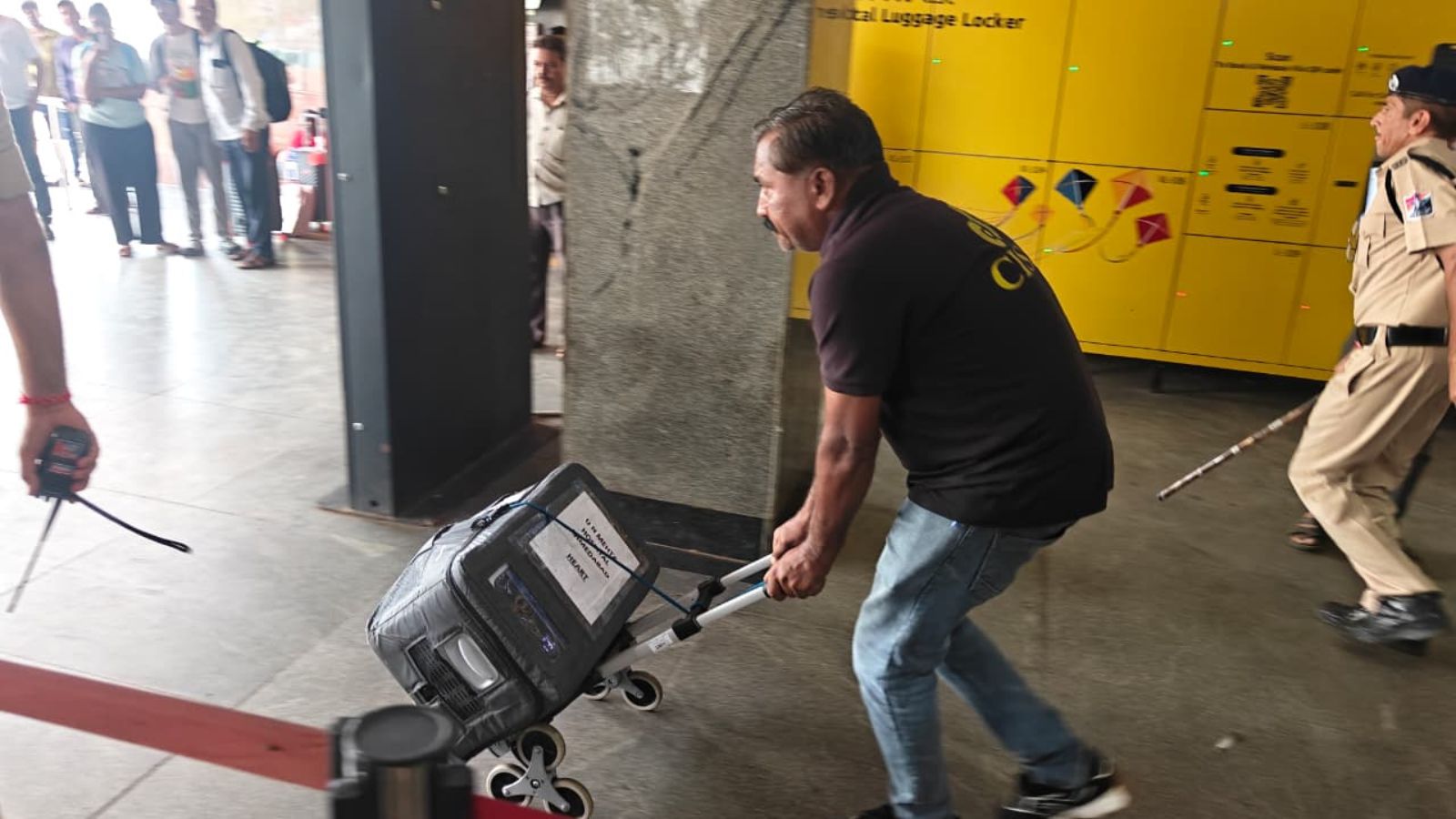
In a first for India’s cadaver organ transplantation programme, the heart of a 36-year-old brain-dead man was transported by train on Friday. The organ was carried from Surat to Ahmedabad on the 20901 Mumbai Central-Gandhinagar Capital Vande Bharat Express, covering the journey in three hours and 37 minutes, according to an official note.
The donor was identified as Mithun Lakshman Swain, a native of Ganjam district in Odisha, who was employed in Kim, Surat. He was declared brain-dead at the New Civil Hospital (NCH) in Surat on Thursday. His family consented to donate his kidneys, liver, and heart, the hospital said.
The heart was intended for a patient at a prominent cardiac teaching hospital in Ahmedabad, Gujarat’s commercial capital. The official note said this was the first such movement of a live organ on a train for transplantation in the country.
Heart transplantation is highly time-sensitive. Unlike kidneys or livers, which can be preserved for longer durations, a heart must be transplanted within a few hours of retrieval to remain viable. The ischemic time — the period during which the organ is without blood supply — is a critical factor in the success of the procedure. In this case, the train completed the 217-minute journey within the acceptable window, ensuring the organ reached the surgical team in time.
The use of a train for such a time-sensitive transport is unusual. In India, deceased donor organs are typically moved by road or air. Rail transport requires careful coordination between the hospital, railway authorities, and other agencies. The Vande Bharat Express, known for its punctuality and speed, was the mode of transport for this leg of the journey.
The Vande Bharat Express is India’s flagship semi-high-speed train, in service since 2019. The Mumbai Central-Gandhinagar Capital route is one of several where it operates. Its ability to reduce travel time between Surat and Ahmedabad to less than four hours makes it a practical option for organ transport.
Organ donation in India has seen gradual improvement in recent years, but the gap between donors and recipients remains large. The country faces a severe shortage of donor organs, with thousands of patients waiting for transplants. Each successful transplant, such as the one facilitated on Friday, is a step towards bridging this gap.
The consent given by Swain’s family is central to this story. Despite their personal grief, they chose to donate his organs, giving at least one critically ill patient a second chance at life. The medical community has often emphasised that family consent is the most important determinant in successfully retrieving organs.
The result of the transplant surgery has not been made public as of the time of this report. The hospital authorities have not issued any statement on the recipient’s condition. Even so, the successful transport of the heart on a train is being seen as a positive development for organ logistics in India.
This event demonstrates that India’s rail network can be effectively used for critical medical missions. As the country expands its semi-high-speed train services, such use cases may become more common, offering an additional mode of transport for organ donations.