Lula wins Brazil runoff for fourth term in political comeback
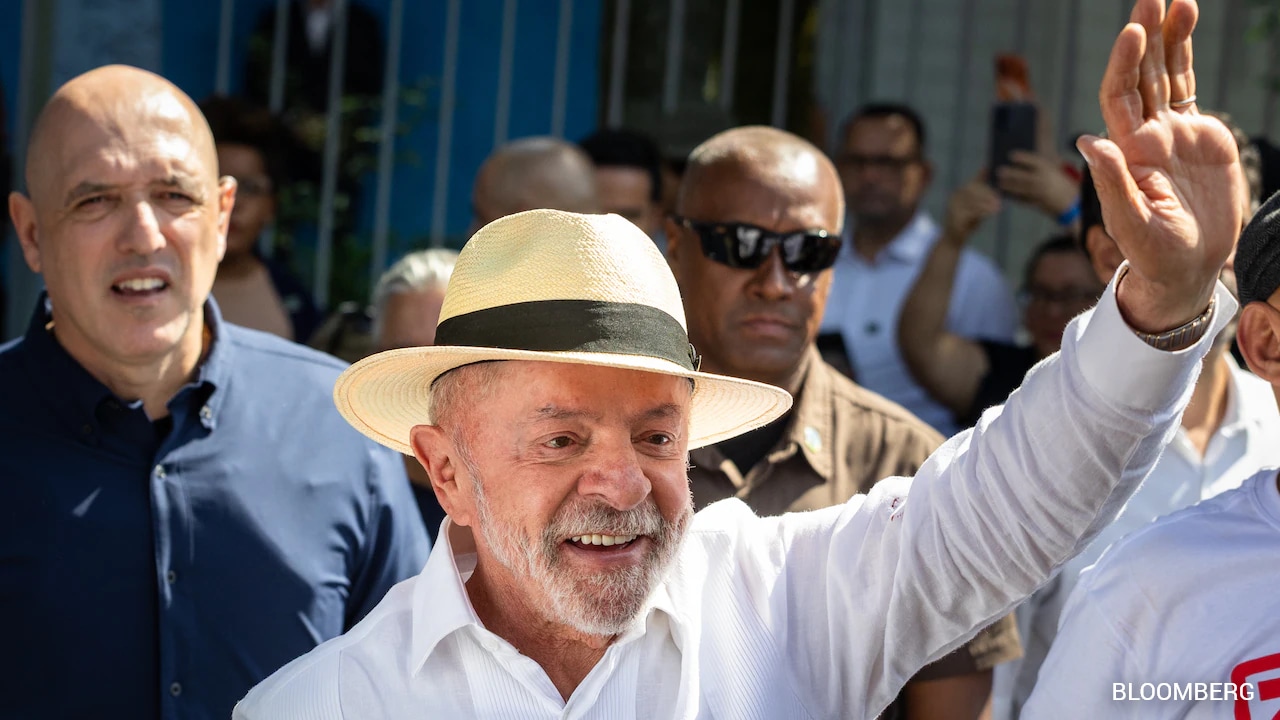
Brazil's electoral court has declared Luiz Inacio Lula da Silva the winner of the country's presidential runoff, giving the veteran leftist a fourth term after a closely fought campaign that exposed deep divisions in Latin America's largest economy. The result reverses expectations that Lula's long career had ended and comes amid a wider shift in Latin American politics.
The court said Lula secured 51.8 per cent of the vote against 48.2 per cent for Flavio Bolsonaro. The runoff followed a messy Sunday vote in which opponents alleged voter suppression and voting hours were extended at the last minute. The Bolsonaro camp has called for the vote to be annulled, a move that could extend political uncertainty. There was no immediate indication that the result would be overturned.
For Lula, 80, the victory extends a political career that began in the trade union movement and took him to the presidency during a period of rapid growth and international prominence. He left office in 2010 with an approval rating of 83 per cent, the kind of number few politicians enjoy today. His later years were shadowed by corruption scandals and a prison term that was annulled. His return marks one of the most remarkable comebacks in Brazilian politics.
Analysts said the campaign was less a straightforward endorsement of Lula than a rejection of his opponent. Thomas Traumann, a former press secretary to ex-President Dilma Rousseff, described the result as 'an election of rejection'. He said much of the campaign was driven by younger activists, social media and newly elected lawmakers operating outside the traditional party structure. Such views are analysts' assessments, not findings by the electoral court.
Lula now faces the task of governing a country split between sharply different political identities. His support is rooted in his history as a union leader, resistance to Brazil's military dictatorship and criticism of US military interventions overseas. The movement built by former President Jair Bolsonaro draws on social conservatism, evangelical Christianity and free-market economics. Bridging those divides will be difficult. Lula has promised to change the way the country is governed.
'This election taught me many lessons,' Lula told supporters in Sao Paulo. 'I can say we will change the way we govern this country.'
Economic challenges are immediate. Brazil faces rising deficits and public debt that have kept interest rates high. Households are carrying heavy debt, and personal loan defaults have risen to their highest level in two decades, according to reports cited during the campaign. Investors had broadly expected a Bolsonaro victory and a fiscal programme favoured by many in the market. Analysts said markets could react negatively to Lula's win and to the call for annulment, but the scale of any selloff was not immediately clear.
Creomar de Souza, founder of Brasilia-based Dharma Political Risk and Strategy, said Lula would need to build coalitions. He said the victory sent a message to the right, which would have to rethink how it operates. The result also carries regional significance. Lula has been a prominent critic of former US President Donald Trump, and his win may alter the balance of Latin American politics.
Brazil's oldest president, Lula will have four more years to steady the economy and reduce polarisation. The election result is clear, but the political and economic questions it raises are only beginning.