US Supreme Court Lifts Block on Trump's Mail-In Voting Order
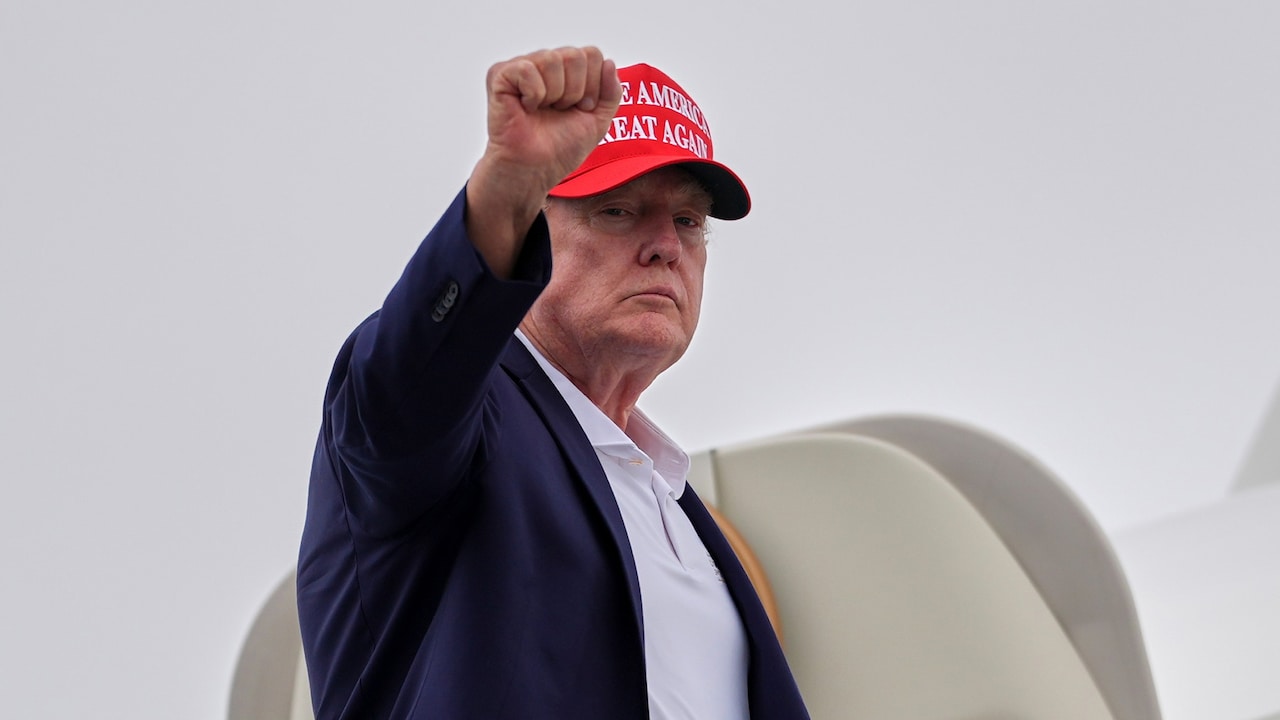
The United States Supreme Court on Monday allowed parts of President Donald Trump's executive order restricting the use of mail-in ballots to proceed, overturning a lower court's temporary block. The decision is a stopgap measure, not a final ruling on the order's constitutionality.
The executive order, signed by Trump in March, sought to tighten mail-in voting procedures ahead of the November midterm elections. Within weeks, multiple legal challenges were filed against it. Democratic-led states argued that the order overstepped federal authority, pointing to the US Constitution, which grants states broad control over the administration of elections.
A district court in Massachusetts had blocked the order's implementation. But the Supreme Court, in an unsigned opinion, said the district court lacked jurisdiction to bar the government from trying to implement the directive. The majority emphasized that its decision does not mean any government measure under the order will necessarily be lawful. 'On that score, time will tell,' the opinion read.
The three liberal justices on the nine-member court dissented, signalling a sharp ideological divide over the issue.
The order would require the compilation of lists of eligible voters and direct the US Postal Service to deliver ballots only to individuals on those lists. Critics argue that such measures could disenfranchise voters and create logistical hurdles.
Trump has long been a vocal critic of mail-in voting, repeatedly claiming without evidence that it is highly vulnerable to fraud. He has often linked these assertions to his false claim that the 2020 presidential election was stolen from him by Democrat Joe Biden. In July, he called mail-in ballots 'inherently corrupt' during a speech on election security. However, Trump himself has used mail-in voting on multiple occasions, including in Florida's Republican primary this month.
The decision comes as the Republican Party faces the possibility of losing its narrow control of Congress in the upcoming midterms, particularly in the House of Representatives. If Democrats gain a majority, they have indicated they would block Trump's legislative agenda and could move to impeach him for a third time.
Legal experts note that the Supreme Court's action is procedural, not a verdict on the merits of the case. The ongoing litigation will determine whether the executive order can stand, leaving the fate of mail-in voting rules in question as the elections approach.