Rahul Gandhi on CJP Jail Term: 'Jantar Mantar Belongs to the People of India'
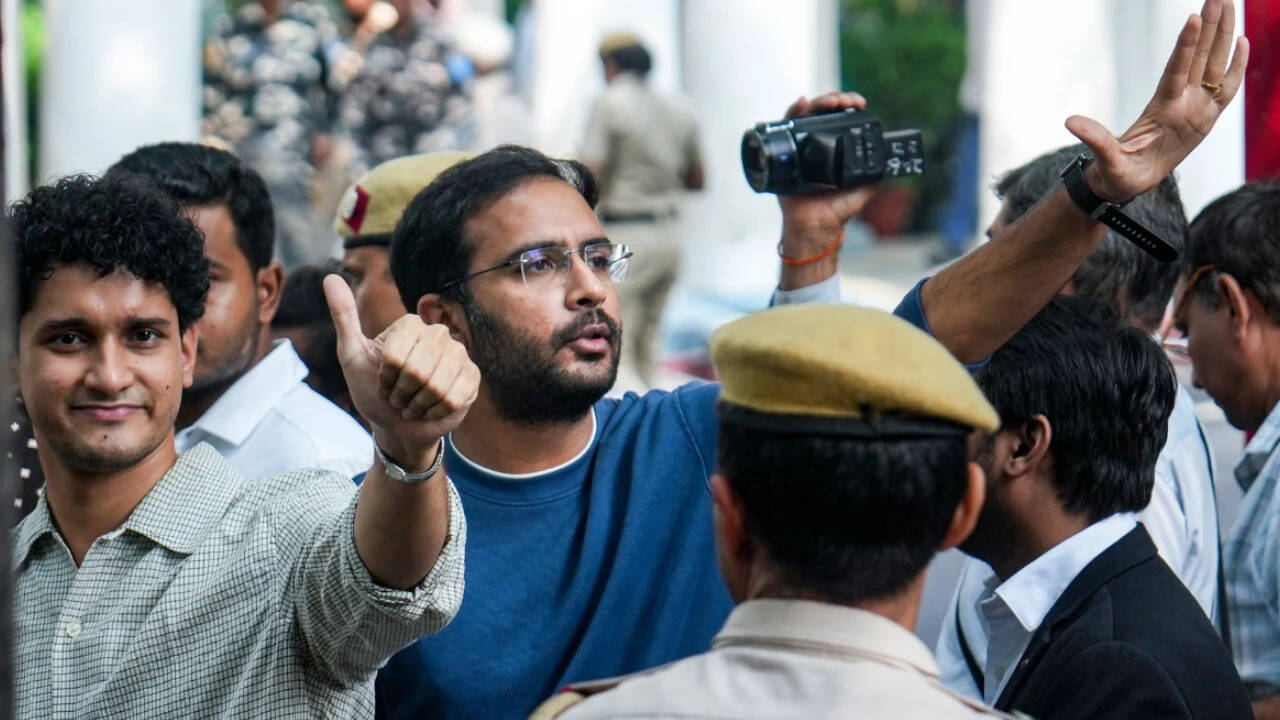
New Delhi: Leader of the Opposition Rahul Gandhi has criticised the jail term handed to leaders of CJP, saying that Jantar Mantar belongs to the people of India and that they would reclaim it. His remarks, reported after the sentencing, place the question of the right to peaceful protest at the centre of national political debate.
"Jantar Mantar belongs to the people of India. We will reclaim it," Mr Gandhi said, according to reports of his statement following the court's order against the CJP leaders. Details of the sentence and the charges in the case have been reported in the press.
Jantar Mantar is an 18th-century astronomical observatory built by Maharaja Jai Singh II, and the open ground around it has for decades served as the designated venue in New Delhi for demonstrations, dharnas and public meetings. Situated on Parliament Street, a short distance from Connaught Place and within walking distance of Parliament House and several Union ministries, the site is both historically significant and politically sensitive.
In recent decades it has hosted gatherings linked to anti-corruption campaigns, demands for women's safety and farmers' movements. Through the year, it draws farmer delegations, trade unions, student bodies, residents' associations, civil liberties groups and political parties. For many of them, it is one of the few places in the capital where a public gathering can be held with prior permission. Police regulate access through permissions, barricades and caps on the number of people who may assemble — measures the authorities defend as necessary for traffic management and public order.
The right to assemble peacefully and without arms is guaranteed by Article 19(1)(b) of the Constitution, while Article 19(1)(a) protects freedom of speech and expression. Both rights carry reasonable restrictions that the State may impose under Articles 19(2) and 19(3), on grounds that include public order and the sovereignty and integrity of India. Indian courts have held on several occasions that peaceful protest is a legitimate exercise of these freedoms, while also upholding the State's authority to regulate the time, place and manner of an assembly.
Convictions arising from protest-related cases can be challenged in higher courts, and legal proceedings in such matters typically continue through the appeal stage. Nothing in Mr Gandhi's remarks addressed the merits of the evidence in the case.
Mr Gandhi's comments have added to an existing argument between the government and the Opposition over how far the law should go in regulating public dissent. The authorities maintain that gatherings in central Delhi must be managed to prevent disruption in an area that houses Parliament, key ministries and major arterial roads. Critics, including civil liberties organisations and several Opposition parties, contend that strict enforcement at designated sites effectively narrows the space available for lawful assembly.
The sentencing of the CJP leaders has become the latest focus of that argument. For the groups that travel to Jantar Mantar each year, the venue's value lies less in its legal designation than in its accessibility — a point Mr Gandhi's remarks appeared to emphasise.
"Jantar Mantar belongs to the people of India," he said. "We will reclaim it."